Reviewed by the emergency care team at Aether Health ER | Spring Cypress, Kingwood, and SilverLake (Pearland), TX | +1 (713) 528-8703
The 4 Reasons Your Heart Beats Irregularly
| ⚡
ELECTRICAL Wiring misfires, extra beats |
♡
STRUCTURAL Valve, chamber, or muscle issues |
☕
LIFESTYLE Caffeine, stress, sleep, alcohol |
⚕
MEDICAL Conditions, infections, medications |
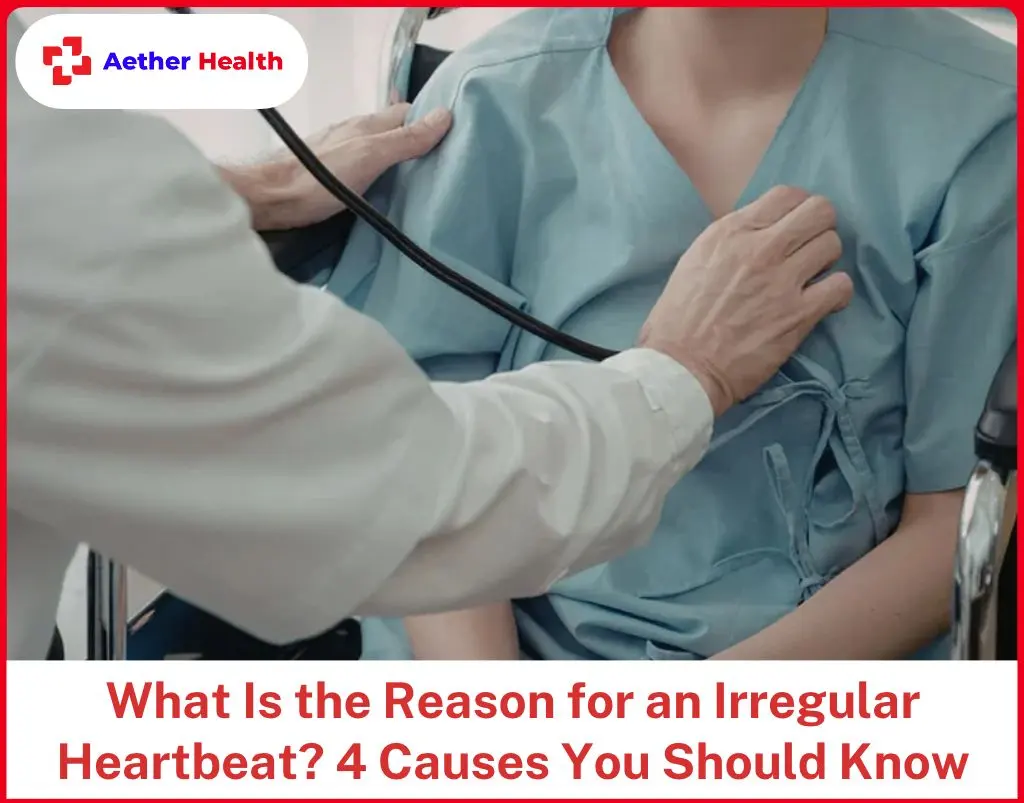
Feeling your heart skip, flutter, or race can be unsettling. The reason for an irregular heartbeat usually falls into one of four categories: electrical glitches in the heart’s wiring, structural changes in the heart itself, everyday lifestyle triggers, or underlying medical conditions. Most causes are harmless. Some, however, signal something that needs immediate attention.
This guide breaks down each category so you can understand what might be causing your heart’s irregular rhythm, and when it’s time to seek emergency care. Aether Health operates three 24/7 freestanding ERs across Greater Houston, ready for walk-in evaluation whenever you’re concerned.
The Short Answer: 4 Categories of Causes
Irregular heartbeats happen when the heart’s electrical signals, physical structure, or external influences disrupt its normal rhythm. The four main categories are electrical system issues, structural heart problems, lifestyle triggers, and medical conditions. Most occasional irregular beats are harmless. Persistent or symptomatic ones need evaluation.
According to the National Heart, Lung, and Blood Institute, most adults experience irregular heartbeats at some point. The key question is not whether they happen, but why and how often.¹
Electrical Causes: When the Heart’s Wiring Misfires
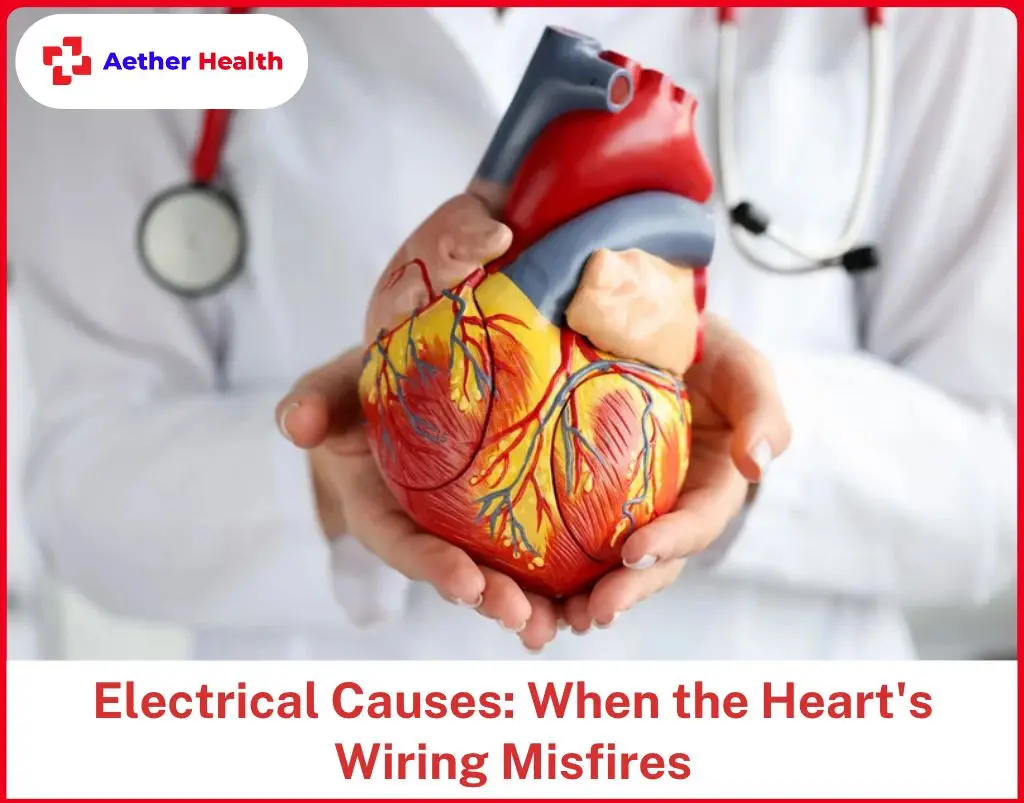
Your heart has its own electrical system that tells it when to beat. When signals misfire, start from the wrong spot, or travel the wrong path, you get an irregular beat. This is the single most common reason for occasional palpitations or skipped beats in otherwise healthy people.
Common Electrical Causes
- Premature atrial contractions (PACs): extra beats originating in the upper chambers
- Premature ventricular contractions (PVCs): extra beats from the lower chambers
- Atrial fibrillation (AFib): rapid, chaotic signals in the atria
- Supraventricular tachycardia (SVT): sudden fast heart rate episodes
- Bradycardia: a heart rate slower than 60 beats per minute
AFib is the most common sustained arrhythmia. The CDC estimates more than 12 million Americans will have AFib by 2030. It increases stroke risk substantially, which is why diagnosis matters.²
Structural Causes: Physical Changes in the Heart
Sometimes the reason for an irregular heartbeat is physical. Changes to the heart muscle, valves, or chambers can disrupt rhythm. Structural causes usually develop over time and often come with other symptoms like shortness of breath or fatigue.
Structural Issues That Affect Rhythm
- Coronary artery disease: narrowed vessels reduce blood flow to heart tissue
- Valve disease: leaky or stiff valves force the heart to work harder
- Cardiomyopathy: weakened or thickened heart muscle
- Congenital heart defects: structural issues present from birth
- Prior heart attack damage: scar tissue can disrupt electrical pathways
- Heart failure: a weakened pump often triggers rhythm problems
Structural causes typically need imaging (such as an echocardiogram) to diagnose. If your irregular heartbeat comes with chest pressure, fatigue, or breathlessness, structural causes should be ruled out.
Risk rises with age, high blood pressure history, diabetes, family history of heart disease, and smoking. A sudden onset of structural symptoms in anyone over 50 deserves same-day evaluation.
Lifestyle Triggers: Everyday Causes Most People Overlook
Many irregular heartbeats trace back to simple lifestyle factors. These are the easiest reasons to identify and change, often without any prescription treatment. Aether Health’s freestanding ER team sees this category constantly during walk-in visits.
The Most Common Lifestyle Triggers
- Caffeine excess (energy drinks, pre-workout supplements, multiple coffees)
- Alcohol, especially binge drinking (sometimes called “holiday heart”)
- Nicotine and vaping products
- Recreational stimulants
- Dehydration or electrolyte imbalance
- Poor sleep or sleep apnea
- Stress, anxiety, and panic episodes
- Intense exercise without conditioning
Stress is a particularly underestimated trigger. Our team’s deeper look at this connection is in our guide on whether stress can cause arrhythmia. The short answer is yes, and often.
Medical Conditions and Medications
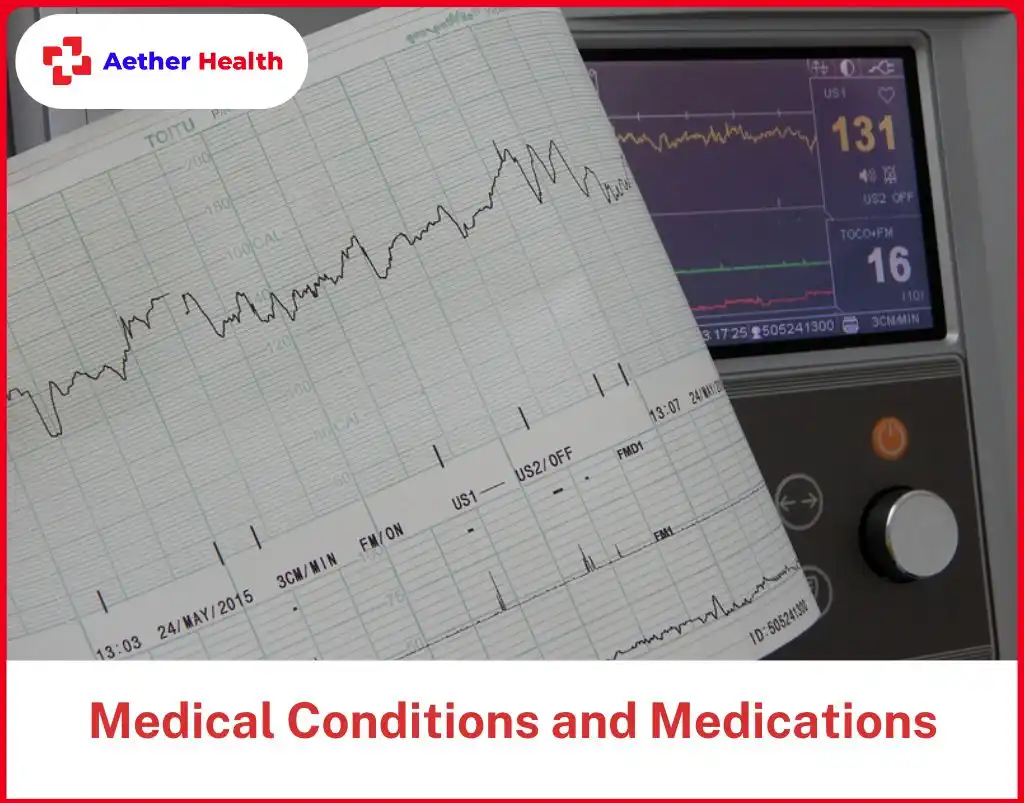
Other health issues outside the heart itself can produce irregular heartbeats. When the body is under stress from illness, hormonal imbalance, or medication side effects, the heart’s rhythm often responds. Treating the underlying condition usually resolves the arrhythmia.
Medical Conditions Linked to Irregular Heartbeat
- Thyroid disorders (overactive or underactive)
- Anemia, especially severe iron deficiency
- Low blood sugar
- Infections with high fever
- Chronic lung disease
- Kidney disease affecting electrolytes
- Hormonal shifts during pregnancy or menopause
Medications That Can Trigger Irregular Beats
Several common prescription categories can affect heart rhythm, including decongestants, some asthma inhalers, certain antidepressants, thyroid replacement at high doses, and steroids. If a new medication coincides with new symptoms, mention this to your doctor before stopping the drug.
When an Irregular Heartbeat Is Normal vs When to Worry
Not every irregular beat is a medical emergency. Short, occasional irregular rhythms are common in healthy adults. The signs below help separate harmless episodes from ones that need urgent evaluation.
| ✓ USUALLY HARMLESS | ⚠ SEE A DOCTOR SOON |
| A single skipped beat or two | Episodes lasting more than a few minutes |
| After heavy caffeine or a stressful event | Chest pain, pressure, or tightness with the beats |
| Resolves within seconds and feels normal | Shortness of breath or fainting |
| Linked to dehydration or poor sleep | Dizziness that doesn’t pass quickly |
| Happens rarely and briefly | New irregular rhythm you’ve never had before |
What to Do If You Notice an Irregular Heartbeat
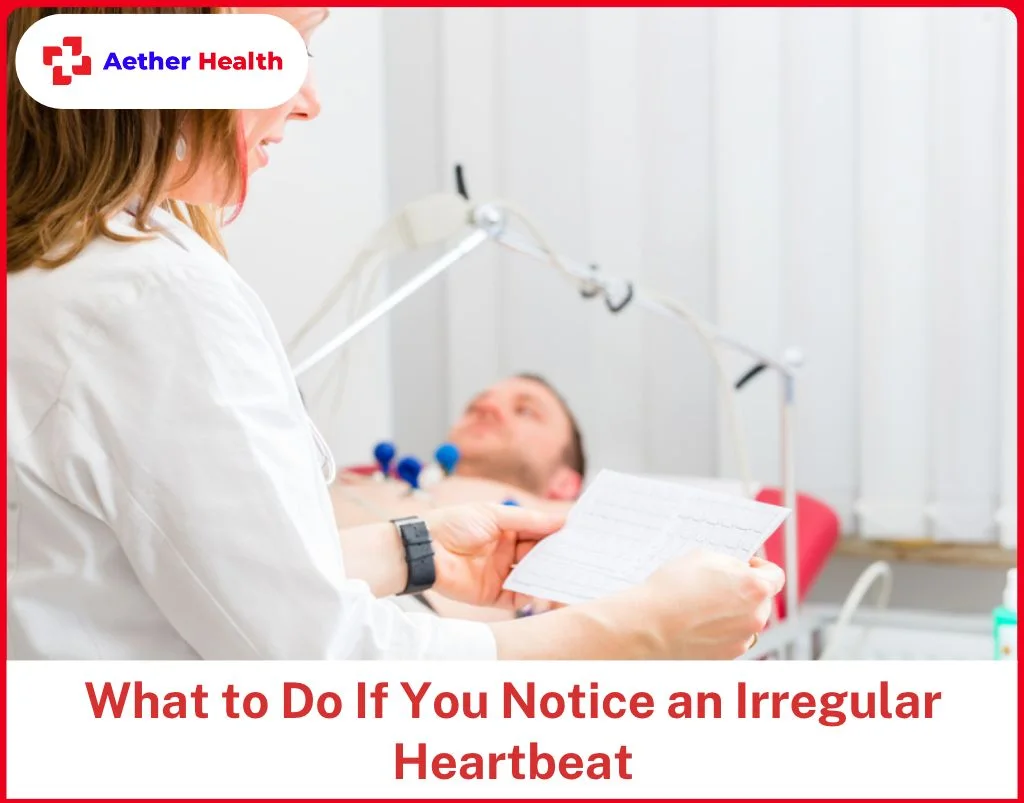
A one-time flutter after coffee can wait. A sustained irregular rhythm, especially with other symptoms, needs same-day attention. Our 24/7 adult emergency team can run an EKG, lab work, and imaging on walk-in, no appointment required.
A Simple 4-Step Action Plan
- Step 1: Time it. Note how long the sensation lasts and what you felt
- Step 2: Check triggers. Fluid, caffeine, sleep, stress, new medication, or recent illness
- Step 3: Watch for red flags. Chest pain, breathing difficulty, dizziness, or confusion mean call 911
- Step 4: Act fast if persistent. If the rhythm persists more than a few minutes, walk into your nearest ER
Not sure if your symptoms warrant an ER visit? Contact our team and we can help you decide what level of care fits your situation.
| Call 911 immediately if an irregular heartbeat comes with: chest pain lasting more than a few minutes, severe shortness of breath, fainting, confusion, or signs of stroke (facial droop, slurred speech, arm weakness). |
Common Questions About the Reason for an Irregular Heartbeat
Can anxiety cause an irregular heartbeat?
Yes. Anxiety and panic episodes raise adrenaline, which directly affects heart rhythm. Many people feel skipped beats, fluttering, or a racing heart during stress. These usually resolve as the episode passes.
How do I know if my irregular heartbeat is serious?
Serious signs include chest pain, breathing difficulty, fainting, dizziness, or episodes that last more than a few minutes. A new, persistent irregular rhythm you’ve never had before also needs evaluation.
Does an irregular heartbeat always mean heart disease?
No. Most irregular heartbeats in healthy adults are benign and triggered by caffeine, stress, dehydration, or poor sleep. Heart disease causes become more common with age, high blood pressure, or diabetes in your history.
Can dehydration cause an irregular heartbeat?
Yes. Dehydration shifts electrolyte balance (sodium, potassium, magnesium), which the heart’s electrical system depends on. Rehydrating usually resolves dehydration-related palpitations within an hour or two.
Why do I feel irregular heartbeats more at night?
Lying down slows your heart rate and removes distractions, making normal beats and skips more noticeable. Reflux, sleep apnea, and late caffeine or alcohol also trigger more nighttime irregular beats.
Concerned About Your Heartbeat? Walk In Today
Aether Health ER provides 24/7 walk-in cardiac evaluation across three Greater Houston locations, including EKGs, lab work, and imaging on-site.
Call +1 (713) 528-8703 or walk into Spring Cypress, Kingwood, or SilverLake (Pearland). Open every day of the year.