
Ringworm is a common fungal skin infection that can cause circular, itchy, scaly patches on the skin. Although most cases can be treated with antifungal medication, severe symptoms or signs of a secondary infection may require prompt medical evaluation.
Aether Health ER provides emergency medical care for patients experiencing skin symptoms. If a suspected ringworm infection is spreading rapidly, causing significant discomfort, or accompanied by fever or worsening inflammation, a medical assessment can help determine the cause and appropriate treatment.
Ringworm usually does not require emergency treatment. However, certain symptoms may indicate a complication or another skin condition that needs urgent assessment.
Seek prompt medical evaluation at Aether Health ER if you experience:
People with weakened immune systems or significant underlying health conditions should seek medical advice promptly if a suspected fungal infection is worsening.
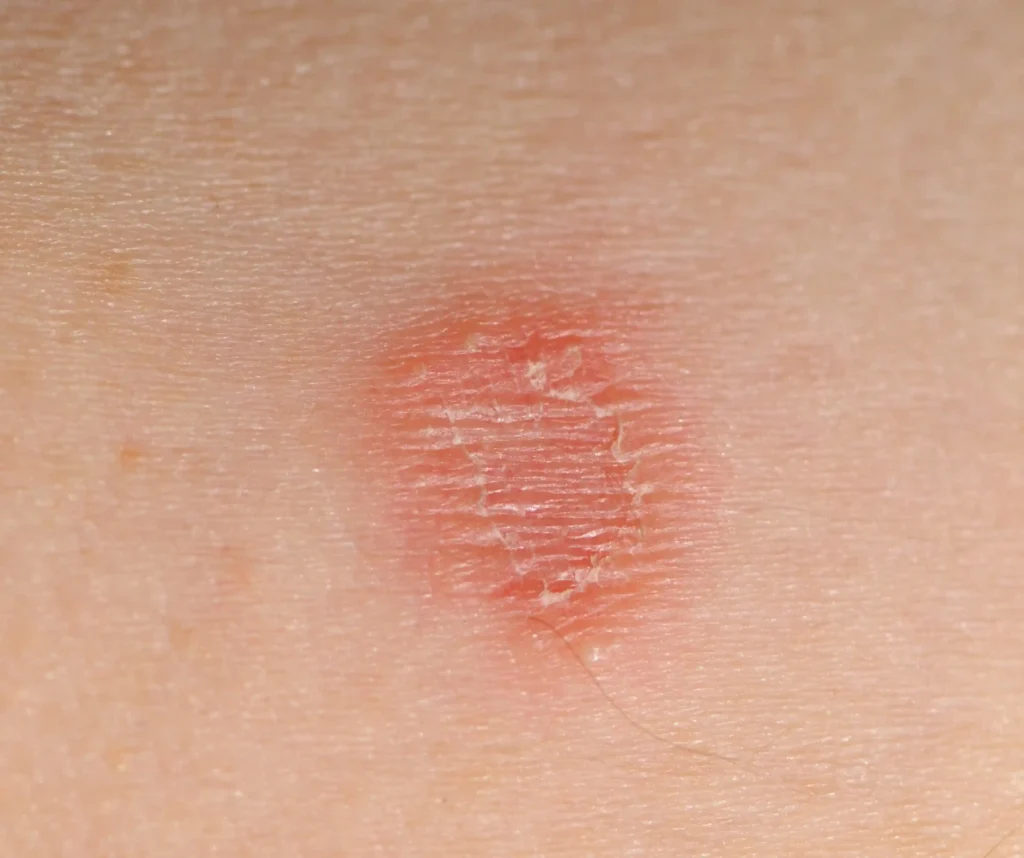

Despite its name, ringworm is caused by fungi, not worms. It can affect different areas of the body and may look different depending on the location.
Common symptoms include:
Ringworm can resemble eczema, psoriasis, and other skin conditions. A proper assessment can help distinguish a fungal infection from other possible causes.
Ringworm spreads through contact with infected skin, contaminated objects, or infected animals. It can also spread through shared personal items and contaminated surfaces.
Common sources include:
Direct skin contact: Contact with someone who has an active fungal infection can spread the fungus.
Shared personal items: Towels, clothing, hairbrushes, and other personal items may carry fungi.
Infected animals: Cats, dogs, and other animals can transmit certain types of ringworm to people.
Contaminated surfaces: Fungi may spread through shared facilities, locker rooms, and other environments where infected skin or contaminated items come into contact with surfaces.
Keeping the affected area clean and dry, avoiding shared personal items, and washing hands after touching the rash can help reduce the risk of spreading the infection.

When skin symptoms are severe or the diagnosis is uncertain, medical evaluation can help determine whether the problem is ringworm, a bacterial skin infection, or another condition.
A clinician may examine the affected area, assess the rash's appearance, and ask when the symptoms started, whether the rash is spreading, and whether you have used any treatments.
Ringworm can often be identified through its appearance, but additional testing may be useful when the diagnosis is unclear. Depending on the situation, testing may include examining skin scrapings or hair samples for fungal elements.
If the affected skin is painful, swollen, warm, or draining pus, the clinician may evaluate whether a secondary bacterial infection is present. Fever or rapidly worsening symptoms may require further investigation. The need for testing depends on your symptoms and the findings of your examination.

Treatment depends on the location and severity of the infection. Most uncomplicated cases respond to antifungal treatment rather than emergency procedures.
Treatment may include:
Avoid using steroid creams alone on a suspected fungal rash unless directed by a qualified healthcare professional. Steroids can mask symptoms and allow some fungal infections to worsen.
When a skin condition causes severe symptoms or raises concern for a more serious infection, Aether Health ER offers emergency medical evaluation to help determine the appropriate next steps.

Most ringworm infections can be managed with appropriate antifungal treatment. However, rapidly worsening skin symptoms, significant pain, swelling, pus, or fever may indicate a complication that requires prompt medical attention.
If you are looking for ringworm emergency treatment, Aether Health ER provides emergency evaluation concerning skin symptoms. The medical team can assess your condition and determine whether further testing, treatment, or follow-up care is appropriate.
Seek emergency care for severe or rapidly worsening symptoms.
Most ringworm infections are not emergencies and can be treated with antifungal medication. Seek prompt medical evaluation if the rash becomes very painful, spreads rapidly, develops pus, or occurs alongside fever or other concerning symptoms.
An emergency clinician can evaluate a suspected fungal infection, assess for complications, and recommend appropriate next steps.
Increasing pain, warmth, swelling, pus, spreading redness, or fever may suggest a secondary infection or another condition. These symptoms warrant prompt medical assessment.
Not always. Many infections affecting the skin respond to topical antifungal medication. Oral treatment may be needed for certain locations or more extensive infections, depending on the diagnosis.
Aether Health ER locations provide emergency medical services for acute symptoms. You can count on us for this treatment anytime of the day or night.