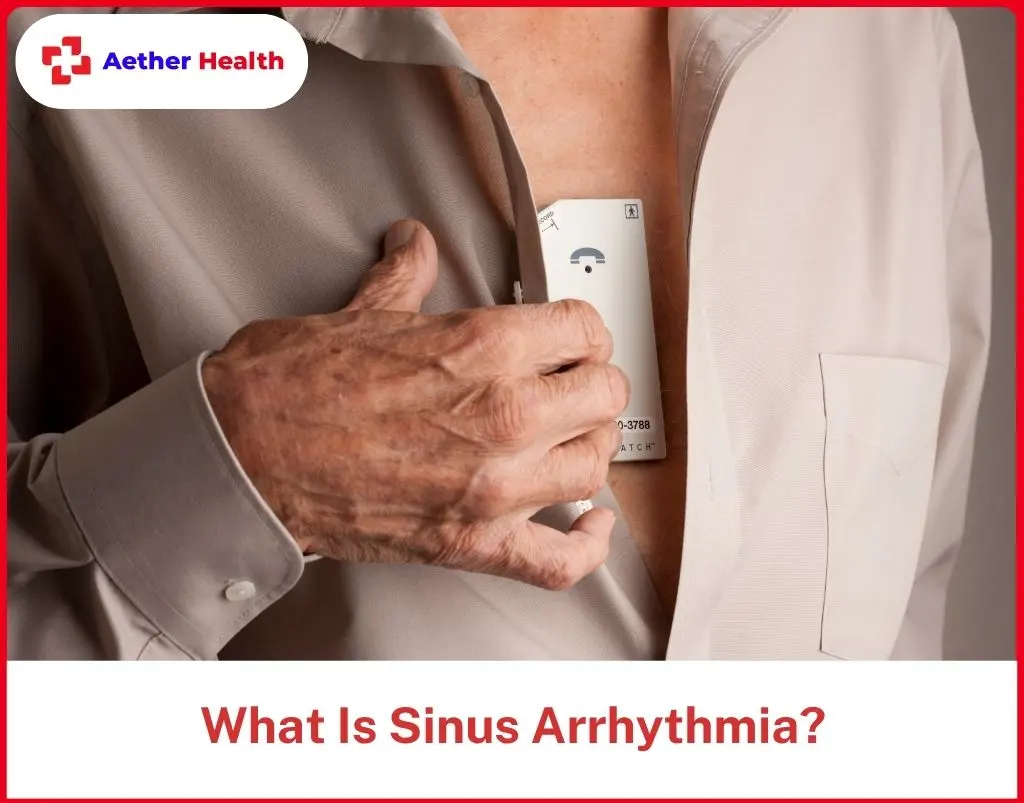

Dehydrated heart palpitations are a common but often overlooked symptom of fluid imbalance in the body. If you’re wondering how to stop palpitations immediately, the first step is understanding that dehydration can reduce blood volume and disrupt electrolytes, causing your heart to beat faster or irregularly.
While these symptoms are usually temporary, frequent palpitations may signal that your body needs urgent hydration and care.
What Causes Dehydration?
Dehydration happens when your body loses more fluids than it takes in. This imbalance can stem from several factors. Hot weather and exercise cause you to sweat, releasing fluids. Conditions like diarrhea and vomiting also lead to rapid fluid loss. Certain medications, like diuretics, can increase urination and dehydration if you don’t replenish fluids.
Not feeling thirsty can be misleading. Thirst is a sign your body needs fluids, so not drinking enough even when you don’t feel thirsty can lead to dehydration over time. This can be a risk for older adults or those on medications affecting thirst. Limited access to clean water can also make it difficult to stay hydrated.
The Importance of Maintaining Healthy Blood Pressure
Maintaining a healthy blood pressure is crucial as it ensures that your body’s organs and tissues receive adequate blood supply enriched with necessary nutrients and oxygen. An optimal blood pressure reading is usually around 120/80 mmHg.
Deviations from these numbers can pose serious health risks. A common question that arises in discussions about blood pressure is: Can dehydration cause high blood pressure?
Can Dehydration Cause Palpitations?
If you’re asking yourself, “Will dehydration cause palpitations?” the answer is yes. Dehydration can cause palpitations or that fluttering or racing sensation in your chest.
Here’s why:
- Decreased blood volume: When you’re dehydrated, your blood volume decreases. To compensate, your heart needs to beat faster to circulate the remaining blood effectively. This increased heart rate can manifest as palpitations.
- Electrolyte imbalance: Electrolytes are minerals like sodium and potassium that play a crucial role in heart function. Dehydration can disrupt electrolyte balance, which can contribute to irregular heartbeats and palpitations.
Symptoms of Dehydration and High Blood Pressure
Recognizing the symptoms of dehydration and blood pressure is vital for timely intervention. While some symptoms might overlap, each condition has distinct signs to watch for:
Dehydration Symptoms:
- Excessive thirst
- Dry mouth and skin
- Reduced urine output, often darker in color
- Dizziness or lightheadedness
- Fatigue
High Blood Pressure Symptoms:
- Headaches
- Shortness of breath
- Nosebleeds
- Flushing of the face
- Dizziness (note the overlap with dehydration)
While these symptoms provide indicators, both conditions can exist without noticeable signs, which is why regular check-ups are essential.

How Dehydration Affects Blood Pressure
Dehydration can lead to increased blood pressure in a couple of ways. First, when your body lacks sufficient water, it signals the release of vasopressin, a hormone that causes blood vessels to constrict. This vasoconstriction can raise blood pressure as it increases resistance to blood flow.
Additionally, dehydration reduces the volume of blood, which causes the heart to work harder to pump the reduced amount of blood to supply adequate oxygen and nutrients, thereby increasing blood pressure. Moreover, severe dehydration makes the blood more viscous or thicker, which further complicates blood circulation, escalating blood pressure levels.
Does Dehydration Cause Low Blood Pressure?
Will dehydration cause high blood pressure? Well, for individuals already managing hypertension (high blood pressure), staying adequately hydrated is even more critical. Dehydration in such circumstances can exacerbate the condition, presenting additional challenges. When the body is dehydrated, it can lead to an increase in blood volume reduction, causing the heart to work harder and subsequently increase blood pressure.
Moreover, dehydration can trigger the release of stress hormones, which further contribute to elevated blood pressure levels. For people with hypertension, these effects of dehydration mean a higher risk of complications such as heart disease or stroke, underscoring the importance of regular fluid intake.
Tips for Staying Hydrated and Maintaining Healthy Blood Pressure
Maintaining hydration and a healthy blood pressure can be achieved through simple, daily actions. Here are some tips to help:
- Drink Adequate Water: Aim for at least 8 glasses of water daily, more if you are active or living in a hot climate.
- Monitor Your Hydration Levels: Pay attention to your body’s signals for dehydration, such as thirst and darker urine.
- Consume Water-Rich Foods: Incorporate fruits and vegetables like cucumbers, oranges, and watermelon into your diet.
- Limit Diuretics: Beverages like coffee and alcohol can dehydrate you. Enjoy them in moderation and compensate with extra water.
- Exercise Regularly: Regular, moderate exercise helps maintain heart health and promotes circulation.
- Avoid High Sodium Foods: High sodium can increase blood pressure, so opt for fresh, minimally processed foods.
- Regularly Monitor Your Blood Pressure: Keep track of your blood pressure readings to identify any changes that may be related to hydration or other factors.

Embracing a Healthier Lifestyle with Aether Health
At Aether Health, located in the heart of Pearland, TX 77584, our commitment to your well-being goes beyond conventional medicine. We understand the intricate balance between daily habits, like proper hydration, and managing high blood pressure. Our holistic approach focuses on personalized wellness plans that embrace natural and preventative measures to ensure your health is always at its peak.
With state-of-the-art facilities and a team dedicated to compassionate care, Aether Health is your partner in navigating the complexities of hypertension and overall health management. We believe in empowering our patients through education, support, and comprehensive healthcare services.
Whether you’re struggling with high blood pressure, seeking strategies for better health, or simply aiming for a lifestyle that promises vitality and longevity, Aether Health in Pearland, TX 77584, is here to guide you on your journey. Let us help you embrace a life where balance, health, and wellness are in harmony.
When Should You See a Doctor or Other Healthcare Professional?
While dehydration-induced heart palpitations often resolve with rehydration at home, there are situations where seeking medical attention is crucial.
Here’s when to consult a doctor:
Persistent Palpitations
If your heart palpitations persist even after rehydration attempts, or if they become more frequent or intense, see a doctor. This could indicate an underlying heart condition unrelated to dehydration.
Severe Symptoms
Seek immediate medical attention if you experience severe symptoms along with your palpitations, such as:
- Chest pain, tightness, or pressure
- Difficulty breathing
- Dizziness or fainting
- Confusion
- Excessive sweating
Known Heart Conditions
If you have a pre-existing heart condition, consult your doctor if you experience any heart palpitations, even if mild. They can assess if dehydration is a trigger or if there’s a different cause for concern.
Sudden Change
If you experience a sudden onset of severe heart palpitations unlike anything you’ve felt before, especially if accompanied by other concerning symptoms, seek immediate medical attention.
Remember, it’s always better to err on the side of caution. If you’re unsure about the cause of your palpitations or have any worries, consulting a doctor is the safest course of action. They can perform tests to diagnose the cause and recommend appropriate treatment.
FAQs
Here’s a quick answer to some frequently asked questions about dehydration and heart palpitations:
Can Dehydration Cause a Fast Heart Rate?
Yes, dehydration can lead to a faster heart rate. As your body loses fluids, blood volume decreases. To compensate and circulate blood effectively, your heart has to work harder, causing a faster heart rate.
Can Drinking Water Help with Heart Palpitations?
If dehydration is causing your palpitations, drinking water can definitely help. Rehydration restores blood volume and electrolyte balance, which can alleviate the symptoms of dehydration-induced heart palpitations.
Why is the heart rate high when dehydrated?
When dehydrated, your blood volume drops, making it harder for your heart to pump blood efficiently. To compensate for this and deliver enough oxygen throughout your body, your heart rate increases. Additionally, dehydration disrupts electrolyte balance, which can interfere with the electrical signals controlling your heartbeat, potentially leading to a faster or irregular heart rate.
Stay Hydrated and Know When To Seek Medical Help
Dehydration can lead to a variety of health concerns, including heart palpitations. By staying hydrated and adopting preventative measures, you can minimize your risk of experiencing these uncomfortable symptoms.
However, if you experience severe or persistent palpitations alongside other concerning symptoms, don’t hesitate to seek medical attention.For prompt emergency care in Pearland, visit the trusted professionals at Aether Health. This trusted emergency room in Pearland offers 24/7 emergency care equipped to handle various heart-related concerns, including irregular heartbeats. Check in online or visit any of Aether Health’s convenient locations for faster medical attention. Hydrate smart, listen to your body, and prioritize your well-being.