

Ear infections are common and can affect both children and adults. They often cause pain, pressure, difficulty hearing, and sometimes fever. While many ear infections clear up on their own, others require proper care and treatment to prevent complications.
This guide explains how to get rid of ear infection, including causes, symptoms, home remedies, medical treatments, and when to see a doctor.
What Is an Ear Infection?
An ear infection occurs when bacteria or viruses enter the ear and cause inflammation. The most common type is otitis media, which affects the middle ear; the space behind the eardrum.
This condition usually develops when the Eustachian tube (a small passage that connects the ear to the back of the throat) becomes blocked. This blockage can trap fluid inside the ear, creating a warm, moist environment where bacteria or viruses can grow.
Over time, this fluid buildup increases pressure inside the ear, leading to pain, swelling, and sometimes temporary hearing loss. In such a situation, you should quickly opt for the nearest emergency care for ear infections to avoid pain and complications.
What Causes Ear Infections?
Ear infections are often triggered by underlying conditions that affect the respiratory system.
Common causes include:
- Colds and flu, which cause mucus buildup.
- Sinus infections that block ear drainage.
- Allergies that lead to inflammation.
- Bacterial or viral infections spreading to the ear.
When the body produces excess mucus, it can block the Eustachian tube. This prevents proper airflow and drainage, allowing germs to multiply inside the ear.
Children are more prone to ear infections because their Eustachian tubes are shorter and narrower, making blockage more likely. Plus, ear infections are not contagious, so you don’t have to worry about spreading it to somebody else.
Symptoms of an Ear Infection
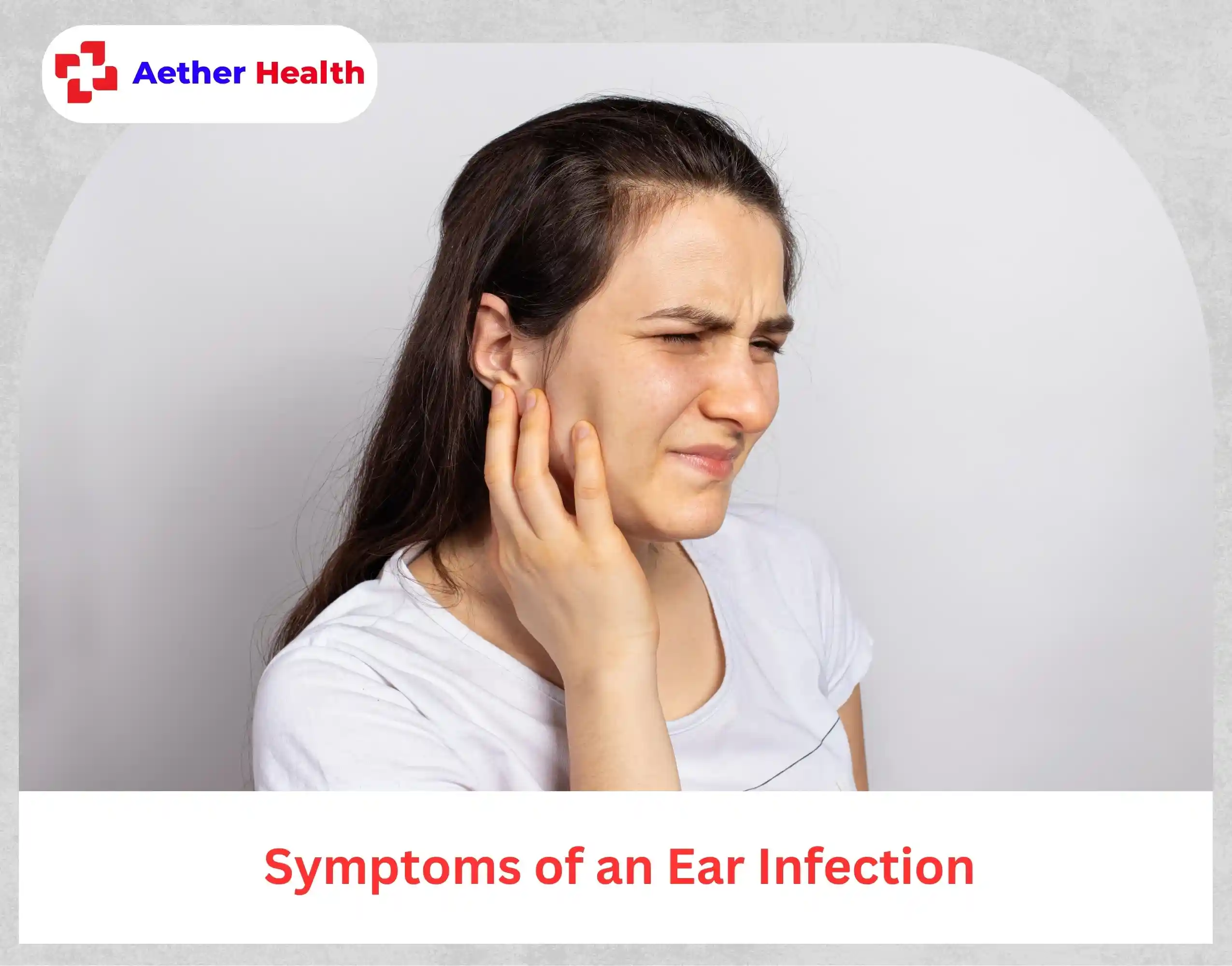
Symptoms can range from mild discomfort to severe pain, depending on the severity of the infection.
Common symptoms include:
- Sharp or throbbing ear pain.
- A feeling of pressure or fullness in the ear.
- Difficulty hearing or muffled sounds.
- Fluid or pus draining from the ear.
- Fever in some cases.
- Trouble sleeping due to discomfort.
In adults, symptoms may develop gradually, while in children, they can appear suddenly and may include irritability, crying, or pulling at the ear.
Can Ear Infections Heal on Their Own?
Yes, many mild ear infections resolve without antibiotics. The body’s immune system can often fight off the infection within a few days.
However, even when the infection clears, fluid may remain in the ear for some time. This can cause temporary hearing issues or a feeling of fullness.
While natural recovery is common, managing symptoms properly is important to reduce discomfort and prevent the infection from worsening.
How to Get Rid of an Ear Infection at Home
Home care plays a major role in managing mild ear infections and supporting recovery.
1. Warm Compress for Pain Relief
Applying a warm compress to the affected ear is one of the simplest and most effective ways to reduce pain.
The heat helps:
- Improve blood circulation.
- Relax surrounding muscles.
- Reduce pressure inside the ear.
Use a clean cloth soaked in warm water, wring it out, and place it gently against the ear for 10–15 minutes. This can be repeated several times a day for relief.
2. Over-the-Counter Pain Relief
Pain and inflammation can be managed with medications like Ibuprofen or Acetaminophen.
These medications help:
- Reduce swelling.
- Ease pain.
- Lower fever if present.
They do not treat the infection itself but make symptoms more manageable while your body heals.
3. Rest and Immune Support
Rest is essential because your immune system needs energy to fight the infection.
Getting enough sleep allows your body to:
- Reduce inflammation.
- Repair affected tissues.
- Fight off bacteria or viruses more effectively.
Drinking fluids such as water, soups, or herbal teas also supports recovery and helps thin mucus.
4. Keep the Ear Dry and Protected
Moisture can worsen an ear infection or slow healing. It’s important to:
- Avoid getting water into the ear while bathing.
- Stay away from swimming until recovery.
- Gently dry the outer ear if needed.
Keeping the ear dry prevents further irritation and reduces the risk of additional infection.
5. Elevate Your Head While Sleeping
Sleeping with your head slightly elevated can help improve fluid drainage from the ear.
This position reduces pressure and prevents fluid from building up further. Avoid sleeping on the affected side, as it can increase discomfort.
Medical Treatments for Ear Infections

If symptoms persist or become severe, expert practitioners of the advance medical facility, Like Aether Health ER may suggest using:
1. Antibiotics
Doctors may prescribe antibiotics if the infection is bacterial and does not improve within a few days. Do not start taking antibiotics on your own, always consult the doctor first.
Antibiotics help by:
- Killing bacteria causing the infection.
- Reducing inflammation.
- Preventing complications.
It is important to complete the full course of antibiotics, even if symptoms improve early.
2. Prescription Ear Drops
In some cases, ear drops may be prescribed to reduce pain and inflammation or treat infection directly.
These are particularly useful for outer ear infections but may also help in certain middle ear conditions. Plus, you should take the doctor’s advice for using these drops.
3. Drainage Procedures
For severe or recurring infections, a doctor may recommend draining fluid from the ear.
This may involve:
- Creating a small opening in the eardrum.
- Inserting a tiny tube to allow drainage.
This procedure relieves pressure and helps prevent repeated infections.
How Long Does It Take to Recover?
Recovery time depends on the severity and cause of the infection.
- Mild infections: 2–3 days.
- Moderate infections: Up to a week.
- Severe infections: May take longer with treatment.
Even after recovery, fluid may remain in the ear temporarily, causing mild hearing issues that usually resolve on their own.
When to See a Doctor

Medical attention is necessary if symptoms do not improve or worsen.
You should see a doctor by visiting the nearest 24/7 emergency room like Aether Health Org, if:
- Pain becomes severe or unbearable.
- Symptoms last more than 2–3 days.
- Fever is high or persistent.
- There is fluid or pus discharge.
- Hearing loss becomes noticeable.
Early treatment helps prevent complications such as chronic infections or damage to the ear.
Final Thoughts
So, how to get rid of ear infection?
The approach depends on the severity. Mild infections often improve with home care, while more serious cases require medical treatment such as antibiotics or ear drops.
Manage symptoms early, support your body’s natural healing process, and seek medical care when needed to avoid complications.
FAQs
How can I get rid of an ear infection quickly?
Use warm compresses, take pain relievers, rest, and monitor symptoms. Seek medical care if it does not improve.
Do ear infections always need antibiotics?
No, many mild infections resolve on their own without antibiotics.
Is it safe to clean the ear during an infection?
No, avoid inserting anything into the ear as it may worsen the condition.
How long does ear infection pain last?
Pain usually improves within a few days, though full recovery may take up to a week.
Can ear infections come back?
Yes, especially if underlying causes like allergies or sinus issues are not managed.