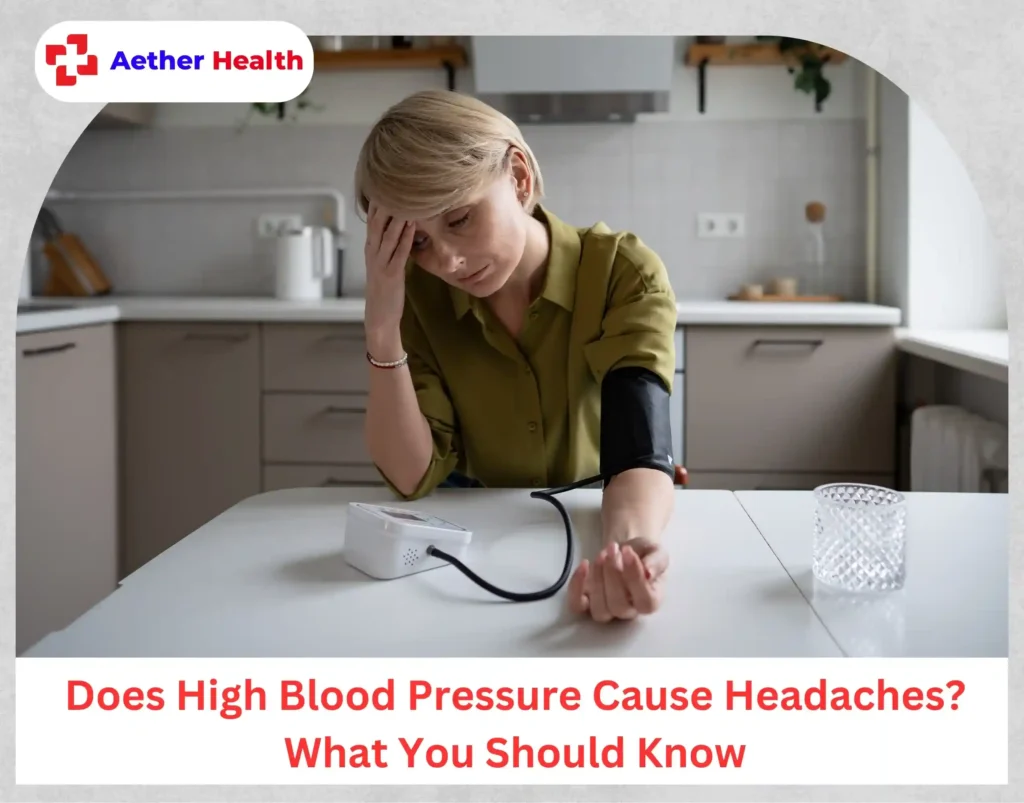
Your head is pounding, your blood pressure cuff reads higher than usual, and a familiar worry creeps in: could these two be connected? It’s one of the most common questions we hear at Aether Health ER and the answer isn’t a simple yes or no. While mild to moderate hypertension typically doesn’t cause headaches, dangerously high blood pressure absolutely can and when it does, it’s often a sign of a true medical emergency.
In this guide, the board-certified emergency team at Aether Health ER breaks down exactly when high blood pressure causes headaches, what those headaches feel like, and the red flags that demand immediate care. With three 24/7 freestanding ER locations across Greater Houston, and no surprise billing, no balance billing, ever, we’re here whenever blood pressure and head pain become more than a passing concern.
The Direct Answer: Can High Blood Pressure Cause Headaches?
Yes, but only at certain levels. For decades, hypertension was called the “silent killer” because mild to moderately elevated blood pressure typically produces no symptoms at all, including no headache. However, when blood pressure spikes into hypertensive urgency (180/120 or higher) or hypertensive emergency territory, headaches become a hallmark symptom. These are not ordinary headaches they’re usually severe, throbbing, and often paired with other warning signs.
The takeaway: if you have a routine headache and slightly elevated blood pressure, your hypertension is probably not the cause. But if you have a severe headache combined with a blood pressure reading above 180/120, this is a medical emergency that requires immediate ER evaluation.
Understanding Blood Pressure Numbers
Knowing what your numbers mean helps you recognize when something is wrong. Blood pressure is recorded as two numbers, systolic (the top number, pressure when the heart beats) over diastolic (the bottom number, pressure between beats). Here’s how the American Heart Association classifies each category:
| Category | Systolic (mm Hg) | Diastolic (mm Hg) |
| Normal | Less than 120 | Less than 80 |
| Elevated | 120–129 | Less than 80 |
| Hypertension Stage 1 | 130–139 | 80–89 |
| Hypertension Stage 2 | 140 or higher | 90 or higher |
| Hypertensive Crisis | 180 or higher | 120 or higher |
Headaches caused directly by high blood pressure typically occur only in hypertensive crisis territory the highest category. At these levels, blood vessels in the brain are under extreme stress, and the risk of stroke, heart attack, or organ damage rises rapidly.
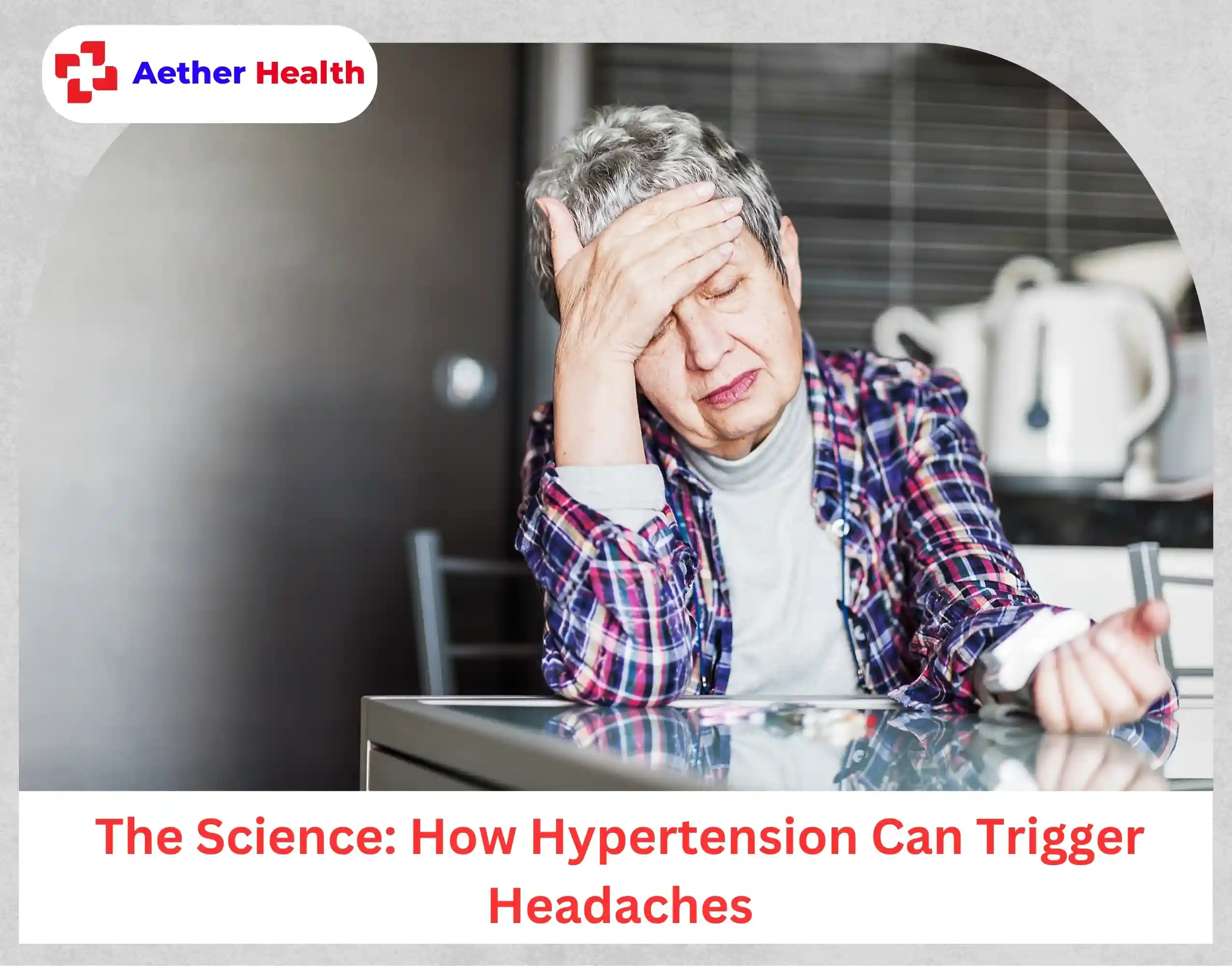
The Science: How Hypertension Can Trigger Headaches
Increased Pressure on Brain Blood Vessels
Severely elevated blood pressure puts intense strain on the small arteries inside the brain. When the pressure overwhelms the brain’s ability to self-regulate (a process called autoregulation), fluid can leak from blood vessels, causing swelling and intense pain.
Hypertensive Encephalopathy
In severe hypertensive emergencies, blood pressure becomes so high that it disrupts normal brain function. This condition, called hypertensive encephalopathy, produces severe headaches along with confusion, vision changes, nausea, and sometimes seizures. It’s a true medical emergency.
Blood Vessel Reactivity
Some research suggests that fluctuations in blood pressure rather than absolute levels can trigger migraine-like headaches in people whose blood vessels are particularly sensitive. This may explain why some people get headaches as their blood pressure rises sharply, even before it reaches crisis levels.
Medication Side Effects
Ironically, some blood pressure medications can themselves cause headaches particularly calcium channel blockers and certain vasodilators. If you’ve started a new medication and developed headaches, talk to your doctor about adjusting your regimen.
Characteristics of a Hypertensive Headache
Not all headaches are created equal. A headache caused by high blood pressure has distinct features that set it apart from tension headaches or migraines:
- Pulsating, throbbing quality: Throbbing, pulsating pain often felt on both sides of the head unlike one-sided migraines.
- Location: Pain typically concentrated at the back of the head, the crown, or the temples.
- Worse in the morning: Headaches caused by hypertension are usually worst in the early morning hours, when blood pressure naturally peaks.
- Worse with exertion: Bending over, lifting, coughing, or sneezing often intensifies the pain.
- Resistant to standard painkillers: Doesn’t improve with usual over-the-counter pain relievers like ibuprofen or acetaminophen.
- Sudden onset: Comes on quickly and feels different from your typical headaches.
Other Warning Signs of Dangerously High Blood Pressure
A headache alone may not always mean a hypertensive emergency but when combined with these symptoms, it’s a clear sign to get to the ER immediately:
- Blurred vision, double vision, or sudden vision loss
- Chest pain, tightness, or pressure
- Shortness of breath or difficulty breathing
- Severe anxiety or sense of impending doom
- Confusion, difficulty speaking, or trouble understanding speech
- Numbness or weakness in the face, arm, or leg especially on one side
- Nausea or vomiting
- Nosebleeds that won’t stop
- Irregular heartbeat or palpitations
- Seizures
Risk Factors for Hypertension-Related Headaches
Some people are more prone to hypertension and the headaches that come with it. Risk factors include:
- Age: Risk of high blood pressure increases significantly after 45 in men and 65 in women.
- Family history: If high blood pressure runs in your family, your risk is elevated.
- Ethnicity: African Americans develop hypertension earlier and more severely on average than other groups.
- Obesity: Excess weight forces the heart to work harder, raising blood pressure.
- Sedentary lifestyle: Lack of exercise weakens cardiovascular function and contributes to weight gain.
- High sodium intake, alcohol use, and tobacco: Both diet and behavior can spike blood pressure significantly.
- Chronic stress: Chronic stress contributes to long-term hypertension and can trigger acute spikes.
- Underlying conditions: Diabetes, kidney disease, sleep apnea, and thyroid disorders all raise risk.
- Certain medications: Birth control pills, decongestants, NSAIDs, and stimulants can elevate blood pressure.
- Missed medications: Skipping doses of blood pressure medication is a leading cause of hypertensive emergencies.
When Headache + High Blood Pressure Is a Medical Emergency
This is the most important section of this guide. If you’re experiencing a severe headache combined with high blood pressure, certain warning signs mean you need emergency care right now, not tomorrow.
Go to the ER Immediately If You Experience:
- Blood pressure reading of 180/120 or higher (hypertensive crisis)
- Severe, sudden, “worst headache of my life” possible sign of a brain bleed or aneurysm
- Headache with vision changes, slurred speech, facial drooping, or arm weakness possible stroke
- Chest pain or pressure with headache possible heart attack
- Severe shortness of breath
- Confusion, disorientation, or change in consciousness
- Seizures
- Severe nosebleeds with high blood pressure
- Pregnancy with severe headache and high blood pressure (possible preeclampsia or eclampsia)
Hypertensive emergencies cause damage to the brain, heart, kidneys, and eyes within minutes. Lowering blood pressure too quickly can also be dangerous only emergency physicians have the medications and monitoring to do it safely.
How to Manage Blood Pressure & Prevent Headaches
For most people, controlling blood pressure prevents both hypertension-related headaches and the more serious complications. These evidence-backed strategies work ideally in combination.
Take Medications as Prescribed
If you’ve been prescribed blood pressure medication, take it every day, exactly as directed. Skipping doses is one of the most common triggers for hypertensive crises and the headaches that come with them.
Reduce Sodium Intake
Most adults should limit sodium to less than 2,300 mg per day ideally closer to 1,500 mg if you already have hypertension. Watch for hidden sodium in processed foods, restaurant meals, and snacks.
Follow the DASH Diet
The Dietary Approaches to Stop Hypertension (DASH) diet rich in fruits, vegetables, whole grains, lean proteins, and low-fat dairy has been clinically proven to lower blood pressure.
Exercise Regularly
Aim for at least 150 minutes of moderate aerobic activity per week (walking, swimming, cycling). Regular movement strengthens the heart and can lower systolic blood pressure by 5–8 mm Hg.
Maintain a Healthy Weight
Even modest weight loss (5–10% of body weight) can significantly improve blood pressure control.
Limit Alcohol and Quit Smoking
Both elevate blood pressure and increase cardiovascular risk. Stick to no more than one drink per day for women, two for men and ideally less.
Manage Stress
Chronic stress drives blood pressure up. Meditation, deep breathing, yoga, adequate sleep, and counseling can all help.
Monitor at Home
Keep a home blood pressure monitor and check readings regularly. Track them so you can identify trends and share them with your doctor.
How Aether Health ER Treats Hypertensive Emergencies in Texas
When you walk into any Aether Health ER with a severe headache and high blood pressure, here’s what to expect:
- Rapid evaluation: Immediate triage and continuous blood pressure monitoring upon arrival
- Comprehensive diagnostics: On-site labs, CT scans, and EKGs to rule out stroke, heart attack, and other organ damage
- Expert physician care: Board-certified emergency physicians on-site 24/7, trained to safely lower dangerous blood pressure
- IV medications: Intravenous antihypertensives, careful titration, and close monitoring not available at urgent care
- Specialist referrals: Direct coordination with cardiologists, neurologists, and admitting hospitals if needed
- Shorter wait times: Most patients are evaluated within minutes not hours like a hospital ER
- No surprise billing, no balance billing: Transparent pricing. We accept most major PPO insurance. No surprise billing. No balance billing.
Our three Texas locations are open 24/7, 365 days a year. Call us anytime at +1 (713) 528-8703.
- Aether Health Spring Cypress ER 8929 Spring Cypress Rd, Spring, TX 77379
- Aether Health Kingwood ER 2158 Northpark Dr, Kingwood, TX 77339
- Aether Health SilverLake ER 2752 Sunrise Blvd, Pearland, TX 77584
Frequently Asked Questions
Can a headache be the only symptom of high blood pressure?
In hypertensive crisis (180/120 or higher), a headache can be the primary symptom but it’s usually accompanied by other signs like vision changes, nausea, or chest discomfort. A headache alone with mildly elevated blood pressure is more likely caused by something other than hypertension.
What does a high blood pressure headache feel like?
It’s typically a throbbing, pulsating pain on both sides of the head, often felt at the back of the skull, the crown, or the temples. It’s usually worse in the morning, made worse by exertion, and doesn’t respond well to standard pain relievers.
Should I take ibuprofen for a high blood pressure headache?
No avoid NSAIDs like ibuprofen and naproxen if you have high blood pressure. They can actually raise blood pressure further and reduce the effectiveness of antihypertensive medications. Acetaminophen is safer, but if you suspect a hypertensive headache, you need emergency evaluation, not just a painkiller.
How quickly can high blood pressure cause a stroke?
A hypertensive emergency can cause a stroke within minutes to hours. That’s why severe headache, vision changes, weakness, or speech changes paired with high blood pressure require immediate ER care, not a wait-and-see approach.
Should I go to the ER or urgent care for high blood pressure?
If your blood pressure is 180/120 or higher, or if you have a severe headache, chest pain, vision changes, shortness of breath, weakness, or confusion, go directly to a freestanding ER like Aether Health. Urgent care lacks the IV antihypertensives and monitoring needed for hypertensive emergencies.
Severe Headache + High Blood Pressure? Don’t Wait: Get to the ER Now.
If you have a blood pressure reading of 180/120 or higher, a severe headache, vision changes, chest pain, or any neurological symptoms, walk into your nearest Aether Health ER immediately. We have the IV medications, imaging, and board-certified emergency physicians needed to safely manage hypertensive crises. We’re open 24/7, every day of the year, with no surprise billing and no balance billing.
Call us anytime: +1 (713) 528-8703
Check in online: https://aetherhealth.org/check-in/
Find your nearest location: https://aetherhealth.org/locations/
Medical Disclaimer
The information on this page is for general educational purposes only and is not a substitute for professional medical advice, diagnosis, or treatment. Reading this content does not establish a doctor-patient relationship. For medical emergencies, call 911 or visit your nearest Aether Health ER.