Reviewed by the emergency care team at Aether Health ER | Spring Cypress, Kingwood, and SilverLake (Pearland), TX | +1 (713) 528-8703
| Call 911 immediately: If a skin tear won’t stop bleeding after 10 minutes of firm pressure, involves a large amount of tissue loss, exposes fat or bone, occurs after a serious fall with head injury, or affects someone on blood thinners with heavy bleeding, call 911 now. Aether Health ER is open 24/7 with three freestanding emergency room locations across Greater Houston: Spring Cypress, Kingwood, and SilverLake (Pearland). |
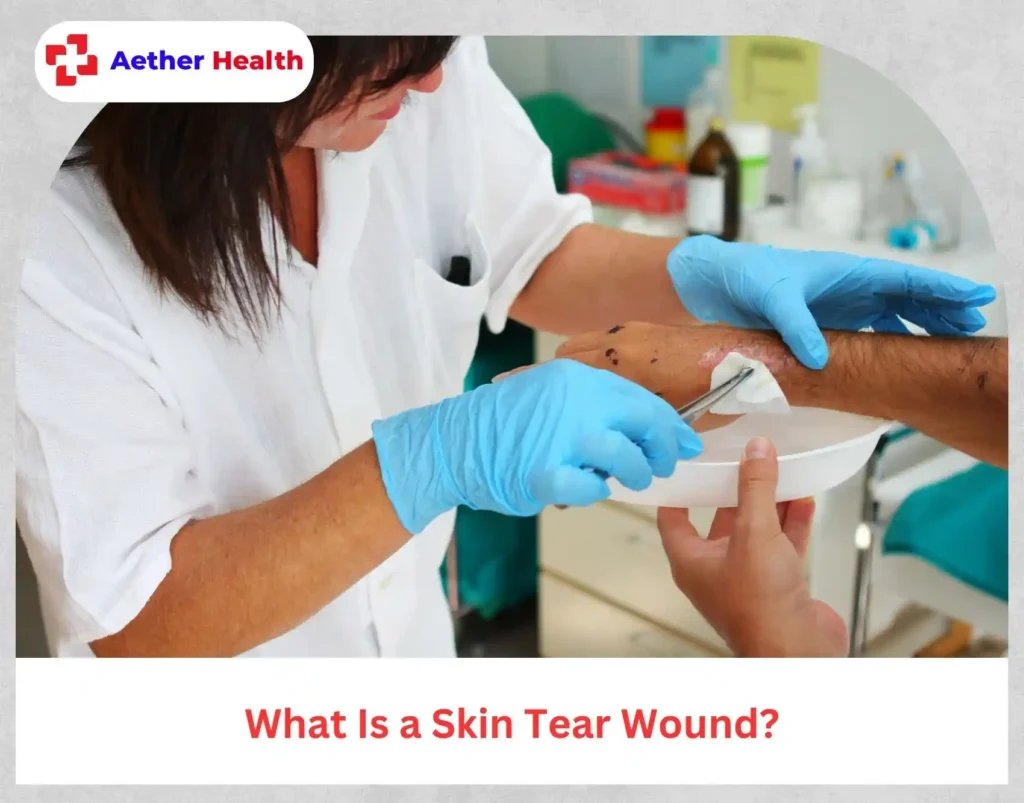
A skin tear looks like a paper cut on aging or fragile skin, only larger and often with a loose flap of skin still attached. It happens when the outer layer of skin (epidermis) separates from the layer beneath it, usually from a bump against furniture, a minor fall, or even removing a bandage the wrong way. Skin tears look minor at first glance, but they’re one of the most common wound types among older adults and people on blood thinners, and they can turn serious fast if they get infected or don’t stop bleeding.
This guide explains what a skin tear wound is, what causes it, how doctors classify it, the warning signs of infection, and when the wound needs emergency evaluation at Aether Health ER, a 24/7 freestanding emergency room across three Greater Houston locations.
Quick Answer: What Is a Skin Tear Wound?
A skin tear is a traumatic wound where the outer skin layer (epidermis) separates from the layer below (dermis), often producing a loose flap of skin. Most skin tears occur on fragile, aging skin from minor trauma like bumping into furniture, removing adhesive tape, or grasping a limb too firmly. They’re most common in adults over 65, people on blood thinners, and anyone with thin or dry skin. Skin tears can range from small, easy-to-manage tears to serious wounds with tissue loss that require immediate ER evaluation, especially if bleeding won’t stop or infection develops.
Types of Skin Tears at a Glance
Wound care specialists use the International Skin Tear Advisory Panel (ISTAP) classification to grade skin tears by how much skin flap remains and how much tissue has been lost. This system helps determine how serious the wound is and what kind of care it needs.
| Type | Name | What It Looks Like | Severity |
| Type 1 | No skin loss | Skin flap can be repositioned to cover the wound completely | Mild |
| Type 2 | Partial skin loss | Skin flap is present but cannot fully cover the wound bed | Moderate |
| Type 3 | Total skin loss | Skin flap is completely absent or unable to be repositioned | Severe |
Type 1 tears often heal well with basic wound care at home if the skin flap is repositioned quickly. Type 2 and Type 3 tears frequently need professional evaluation, especially in older adults, because they carry a higher risk of infection, delayed healing, and complications. Any tear that involves visible fat, muscle, or bone belongs in the ER.
What Causes a Skin Tear Wound?

Skin tears happen when force is applied to skin that lacks the elasticity or thickness to withstand it. In young adults with healthy skin, the same amount of force might cause a bruise or nothing at all. In older adults or people with fragile skin, that same force can peel back the surface layer entirely. Skin tears from falls or accidents often overlap with other trauma and injury concerns that need broader emergency evaluation.
Common Direct Causes
- Blunt trauma: Bumping into furniture, wheelchair handles, bed rails, or door frames.
- Adhesive removal: Adhesive tape, bandages, or ECG leads pulling on fragile skin during removal.
- Rough handling: Grasping a limb too firmly during transfer, dressing, or bathing.
- Falls: Even a minor fall can produce large skin tears in older adults.
- Jewelry catches: Rings, watches, or jewelry catching on fabric or bed linens.
- Assistive device injuries: Sharp corners of walkers, canes, or medical equipment.
- Pet scratches: Fingernails or claws catching aging skin.
Underlying Risk Factors That Weaken Skin
- Aging: Skin thins and loses collagen with age, especially after 65.
- Chronic dry skin: Reduces skin elasticity and increases friability.
- Steroid medications: Long-term steroid use thins the skin significantly.
- Blood thinners: Skin becomes more prone to bleeding and tearing.
- Diabetes and vascular disease: Both raise infection risk and slow healing.
- Poor nutrition or hydration: Fewer nutrients means weaker skin and delayed repair.
- Sun-damaged skin: UV damage accumulates and thins skin over decades.
- Immobility or bedrest: Impaired blood flow to skin makes injury more likely.
- Dementia: Cognitive impairment can lead to unnoticed injuries.
| Who’s most at risk: Adults over 75, nursing home residents, people on long-term corticosteroids, patients on anticoagulants (warfarin, apixaban, rivaroxaban), and anyone with a history of frequent falls. If you or someone you care for fits this profile, even a small skin tear is worth having evaluated to prevent infection and support proper healing. |
Symptoms of a Skin Tear Wound
Skin tears have a very distinct appearance that sets them apart from other wounds. Recognizing what you’re looking at helps you decide quickly whether it can be managed at home or needs professional care.
What a Skin Tear Looks Like
- A visible flap of skin partly or fully detached from the wound bed.
- Irregular, jagged edges rather than clean straight lines.
- Red, pink, or dusky purple exposed tissue beneath the flap.
- Bleeding that may be mild or moderate, often out of proportion to the size of the wound in older adults.
- Bruising or discoloration around the wound as blood pools beneath the skin.
- Swelling, especially on the forearms, shins, or hands.
- The skin flap may appear pale, blueish, or shriveled if it’s been detached too long.
What a Skin Tear Feels Like
- Sharp, stinging pain at the moment of injury.
- Burning or throbbing pain that lingers, especially with movement.
- Tightness around the wound as swelling develops.
- Numbness in some cases, particularly if nerves near the surface are involved.
- Pain when pressure is applied or when clothing rubs the area.
Most Common Locations
- Forearms (from bumping against furniture or during dressing changes).
- Shins and lower legs (from bumping into low objects or falls).
- Backs of the hands (from adhesive removal, IV insertions, or grasping).
- Elbows and knees.
- Areas where medical tape or bandages have been recently removed.
Skin Tear vs. Cut: How to Tell the Difference
Skin tears and simple cuts are both skin injuries, but they’re caused by different forces and managed differently. Understanding what you’re dealing with helps you get the right care.
| Feature | Skin Tear | Cut / Abrasion |
| Cause | Friction, blunt trauma, adhesive removal | Sharp object such as glass, knife, or metal edge |
| Edges | Irregular, jagged, often with a flap of skin | Clean, straight, or superficial |
| Depth | Usually superficial (epidermis only) | Can be superficial or deeper depending on force |
| Most common in | Older adults with fragile skin | All ages, common in kitchen or workshop accidents |
| Care needed | Flap repositioning, non-adherent dressing | Cleaning, possible closure, tetanus check |
Skin tears are unique because they involve a flap of tissue that, if repositioned correctly and quickly, can serve as a natural biological dressing and help the wound heal. This is why proper handling matters, and why emergency wound evaluation is often the safest choice for anything beyond a small Type 1 tear.
Warning Signs a Skin Tear Is Infected
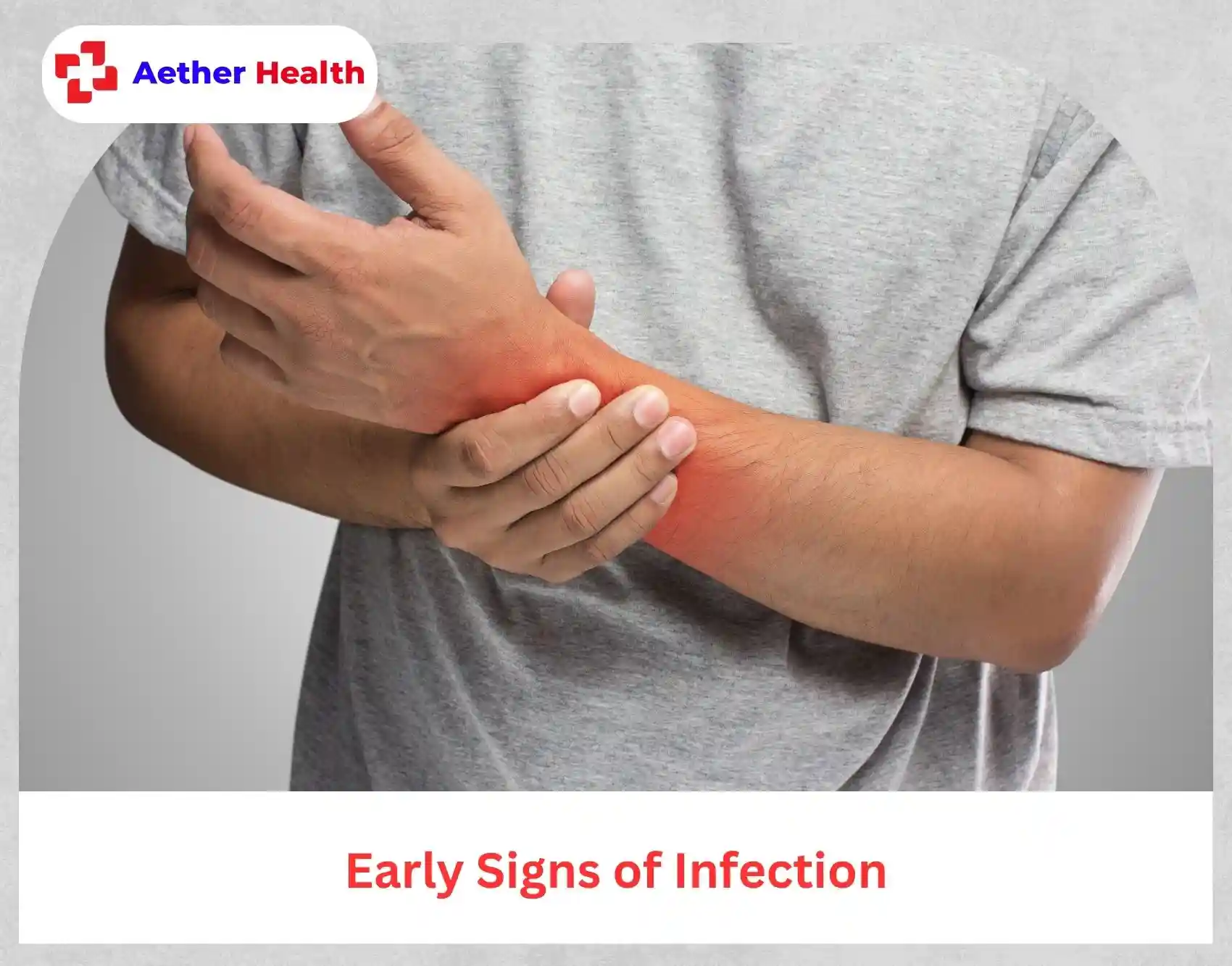
Because skin tears often happen in people with underlying health issues or fragile skin, infection is one of the most serious complications. Watch closely during the first 3 to 5 days and know what to look for.
Early Infection Signs
- Redness spreading outward from the wound edges.
- Warmth around the wound that increases over time.
- Swelling that grows rather than improves after 48 hours.
- Increasing pain, especially throbbing pain.
- Cloudy, yellow, or greenish drainage.
- A bad or foul smell coming from the wound.
- The wound looks worse rather than better after 3 days.
Advanced Infection Warning Signs (Emergency)
- Red streaks extending from the wound toward the heart.
- Fever above 100.4°F or chills.
- Rapidly spreading redness that doubles in size within hours.
- Skin that turns dark, purple, or black around the wound.
- Severe pain out of proportion to the wound’s appearance.
- Confusion, dizziness, or feeling very unwell.
- Increased heart rate or rapid breathing.
| These are signs of a serious infection: Cellulitis, necrotizing fasciitis, or sepsis can all begin from a seemingly minor skin tear, especially in elderly patients or people with diabetes. If you notice any of the advanced warning signs, go to the ER immediately. Aether Health ER can identify the type of infection, provide IV care, and coordinate hospital admission if needed. |
When a Skin Tear Needs Emergency Care
Not every skin tear requires the ER, but certain situations always do. Get to a freestanding ER right away if any of the following apply.
Go to the ER Immediately If:
- Bleeding won’t stop after 10 minutes of firm pressure.
- The wound is deep enough to see fat, muscle, tendon, or bone.
- The skin flap is missing or completely detached and unable to be preserved.
- The tear is larger than a few centimeters or covers a joint.
- The wound is on the face, hands, or genitals.
- You or the injured person is on blood thinners with significant bleeding.
- Signs of infection (fever, spreading redness, red streaks, foul discharge).
- The skin tear occurred after a fall with head injury or possible fracture.
- The patient has diabetes, vascular disease, or a compromised immune system.
- You cannot properly clean or cover the wound at home.
- Tetanus vaccination status is unknown or more than 5 years since the last booster with a dirty wound.
- Pain is severe and not improving.
| Get evaluated fast: Aether Health ER provides 24/7 wound care with rapid bleeding control, wound cleaning, skin flap repositioning, dressing application, tetanus updates, infection assessment, and follow-up planning. Call +1 (713) 528-8703 or walk into any of our three Greater Houston locations. |
How Aether Health ER Evaluates Skin Tear Wounds
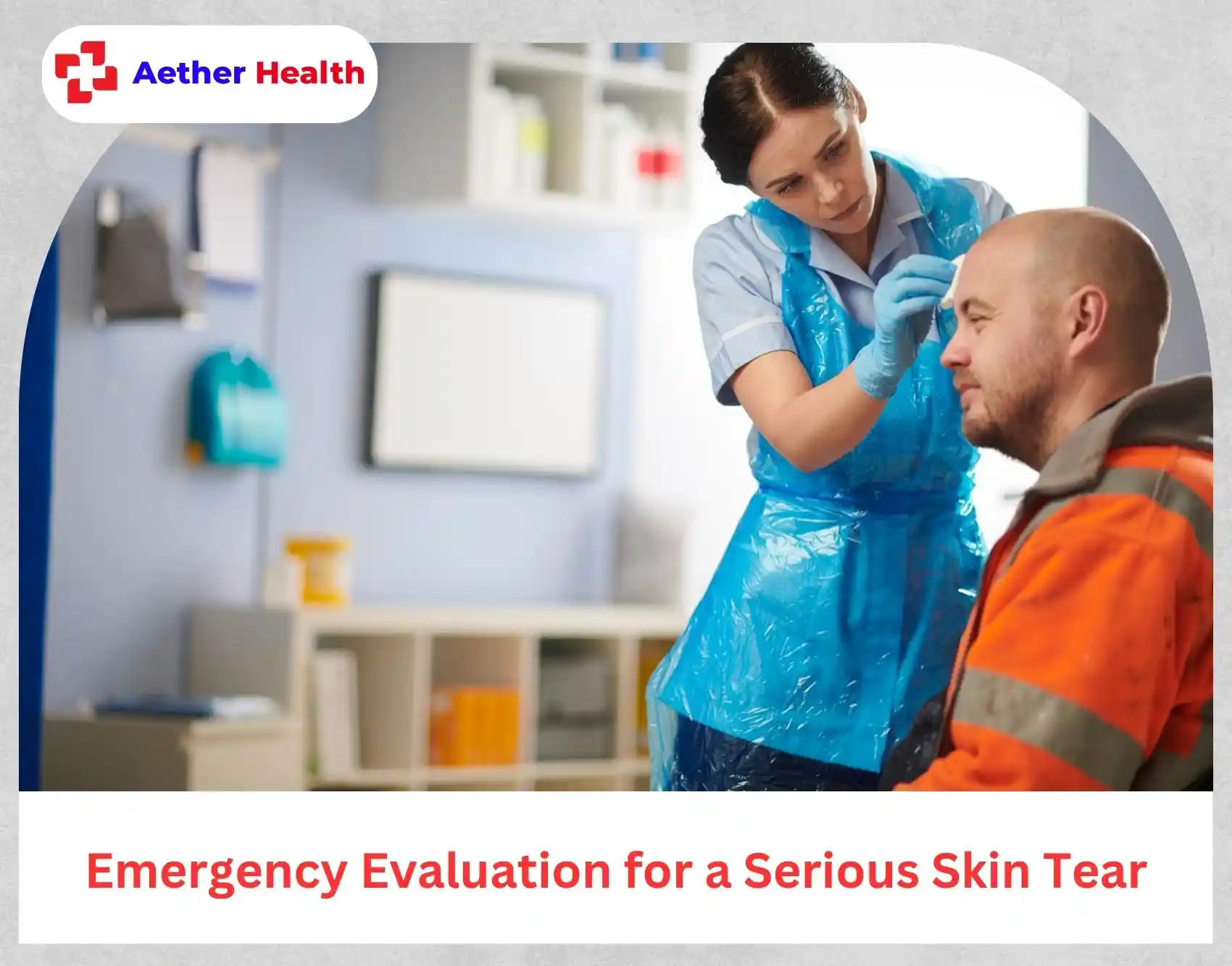
When you walk in with a serious skin tear, our team is equipped to control bleeding, clean the wound, preserve the skin flap when possible, and identify or rule out infection quickly. Here’s what to expect from our 24/7 wound care emergency evaluation:
- Rapid triage: Board-certified emergency physicians assess the wound, blood loss, and infection risk within minutes of arrival.
- Wound cleaning: Fast, thorough irrigation and debridement to remove debris and reduce infection risk.
- Skin flap preservation: When the flap is still viable, our team repositions it to serve as a natural biological dressing.
- Bleeding control: Direct pressure, hemostatic dressings, and IV support when significant bleeding is present.
- Injury assessment: Comprehensive evaluation when the skin tear happened during a fall or serious accident.
- Infection assessment: Assessment of infection risk and initiation of IV care when needed.
- Tetanus update: Tetanus vaccination review and update when appropriate.
- Follow-up guidance: Clear wound care instructions and follow-up planning for continued healing at home.
- Hospital coordination: Direct hospital transfer when admission is needed, coordinated by our team.
- Transparent pricing: Most commercial plans accepted. No surprise billing. No balance billing. Transparent care.
Three 24/7 Greater Houston locations, all reachable at +1 (713) 528-8703:
- Aether Health Spring Cypress ER: 8929 Spring Cypress Rd, Spring, TX 77379
- Aether Health Kingwood ER: 2158 Northpark Dr, Kingwood, TX 77339
- Aether Health SilverLake ER: 2752 Sunrise Blvd, Pearland, TX 77584
Frequently Asked Questions
How long does a skin tear wound take to heal?
Most Type 1 skin tears heal within 7 to 14 days with proper care. Type 2 tears may take 2 to 4 weeks. Type 3 tears with total skin loss can take 4 to 8 weeks or longer, and often need professional wound care throughout the healing process.
Should you cover a skin tear wound?
Yes. Cover the wound with a non-adherent dressing (not regular adhesive bandages, which can cause a second tear when removed). Change dressings gently and only as often as needed. If bleeding won’t stop or the tear is large, get emergency care before dressing it yourself.
Do skin tears need stitches?
Skin tears rarely need stitches because the fragile surrounding skin often can’t hold sutures without tearing further. The preferred approach is repositioning the skin flap and using non-adherent dressings or specialized wound care techniques applied in an ER setting.
Can skin tears become serious?
Yes. Skin tears can lead to cellulitis, deeper wound infections, chronic wounds, or sepsis, especially in older adults or people with diabetes. Any tear showing signs of infection or that doesn’t improve within 3 days should be evaluated.
Should I go to the ER for a skin tear?
Go to a freestanding ER if bleeding won’t stop, the flap is missing, the wound is deep, you’re on blood thinners, or you see signs of infection. Small Type 1 tears in otherwise healthy people can often be managed at home with proper care.
How do I prevent skin tears in elderly loved ones?
Keep skin well moisturized daily, pad sharp furniture corners, use long sleeves and pants for extra protection, remove throw rugs, keep lighting bright, avoid adhesive bandages when possible, use gentle transfer techniques, and address vision or balance issues that raise fall risk.
People Also Ask About Skin Tear Wounds
These are the related questions AI search engines and Google’s People Also Ask feature commonly surface alongside skin tear wound queries. Direct answers below.
What is the difference between a skin tear and a laceration?
A skin tear happens when friction or blunt trauma peels the outer layer of skin from the layer beneath, often leaving a flap. A laceration is a deeper cut caused by a sharp object or forceful impact and often extends through multiple tissue layers, sometimes needing stitches or staples.
Why do elderly people get skin tears so easily?
Aging skin loses collagen, elastin, and subcutaneous fat, making it thinner, drier, and less able to withstand friction or minor bumps. Long-term steroid use, blood thinners, and sun damage all further weaken the skin’s structural integrity, increasing tear risk.
Should you leave the skin flap on a skin tear?
Yes, whenever possible. If the skin flap is still attached and viable (pink to red rather than dusky purple or black), it should be gently repositioned to cover the wound bed. It serves as a natural biological dressing and speeds healing. This is best done in an ER for larger tears.
What does an infected skin tear look like?
An infected skin tear shows spreading redness, increased warmth, swelling that worsens rather than improves, cloudy or foul-smelling drainage, and increasing pain. Advanced signs include red streaks, fever, and dark discoloration around the wound. Any of these warrants immediate ER evaluation.
Can you use antibiotic ointment on a skin tear?
Topical antibiotic ointments are sometimes used on skin tears, but the decision depends on the wound’s size, type, and infection risk. Some products can actually irritate fragile skin. It’s safer to get professional guidance before applying anything beyond gentle cleaning to a significant skin tear.
Are skin tears more dangerous in people with diabetes?
Yes. Diabetes slows wound healing, increases infection risk, and can mask early warning signs due to reduced sensation. Any skin tear on a diabetic patient should be evaluated promptly, especially on the feet, legs, or hands.
Skin Tear That Won’t Stop Bleeding or Shows Signs of Infection? Get Evaluated Now.
When a skin tear won’t stop bleeding, involves tissue loss, or shows signs of infection, it needs an ER visit. Aether Health ER provides 24/7 wound care with rapid bleeding control, wound cleaning, skin flap preservation, infection assessment, and follow-up planning, usually within minutes of arrival.
- Locations: Three 24/7 locations across Greater Houston
- Spring Cypress – 8929 Spring Cypress Rd, Spring, TX 77379
- Kingwood – 2158 Northpark Dr, Kingwood, TX 77339
- SilverLake – 2752 Sunrise Blvd, Pearland, TX 77584
- Phone: +1 (713) 528-8703
- Hours: Open 24 hours, every day of the year
- Insurance: Most commercial plans accepted. No surprise billing.
| Call 911 now if life-threatening: For a skin tear with heavy bleeding that won’t stop, large tissue loss, signs of sepsis (confusion, fever, rapid breathing), or a serious fall with head injury, call 911. For urgent but non-life-threatening skin tear concerns, call Aether Health ER at +1 (713) 528-8703 or come to any of our three Greater Houston locations. |