
Emergency Care For Splinters in Texas
Splinter Removal in Texas
Splinters Treatment in Texas
Your Choice for Urgent Splinter Removal Care
Splinter Common Causes
- Wood
- Metal
- Glass
- Plastic
- Plant thorns
- Typical activities that lead to getting a splinter include gardening, woodworking, handling sharp objects, and walking barefoot on rough surfaces.
Types of Splinters
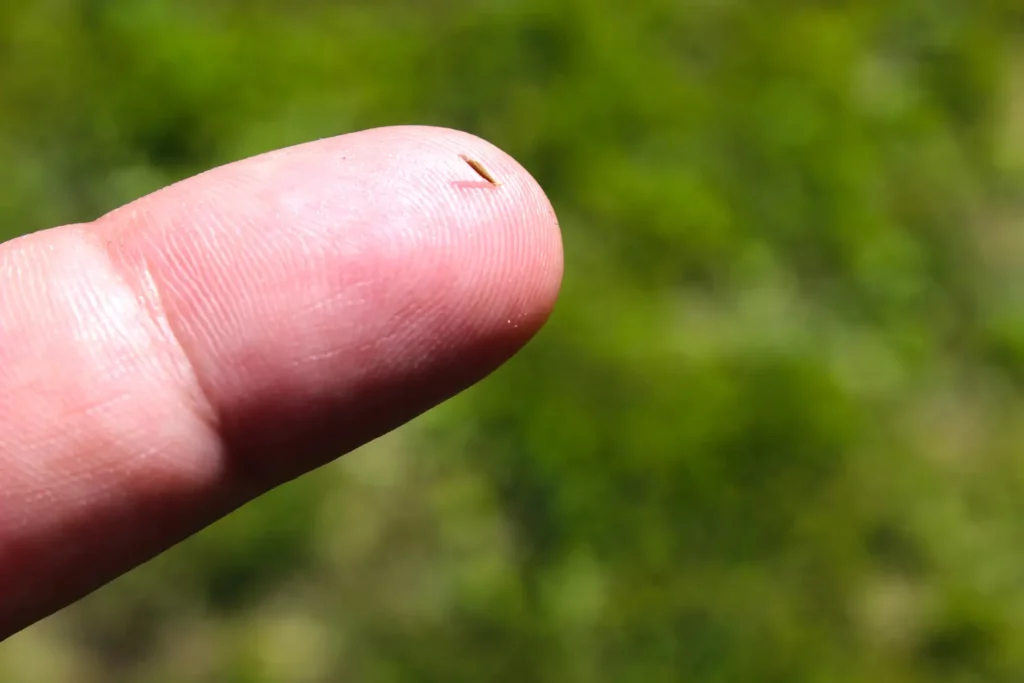
Wood Splinters
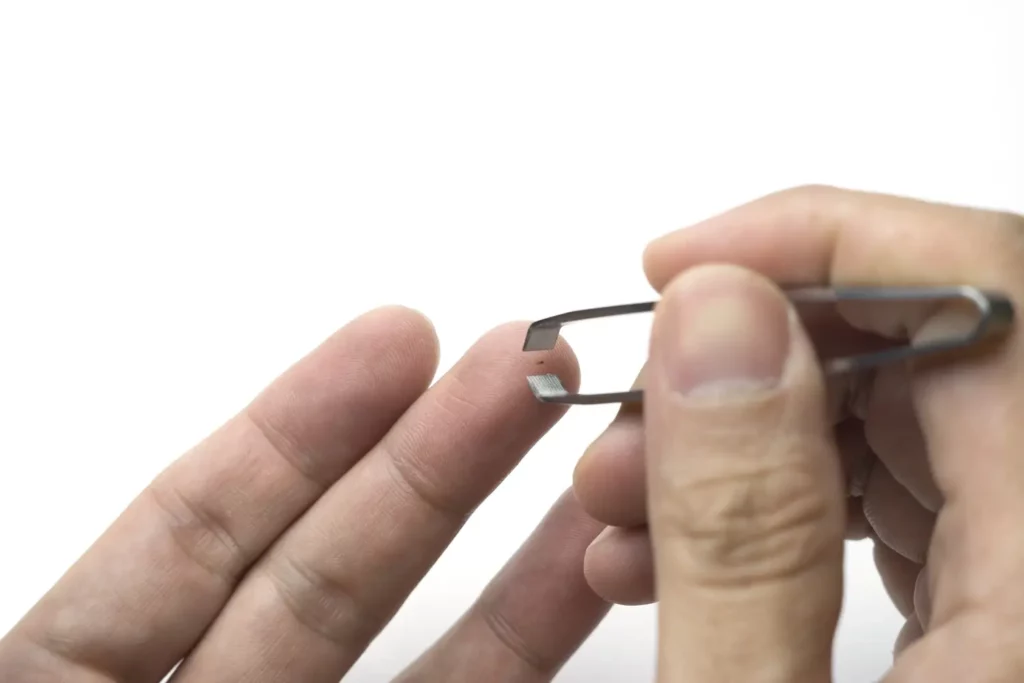
Metal Splinters
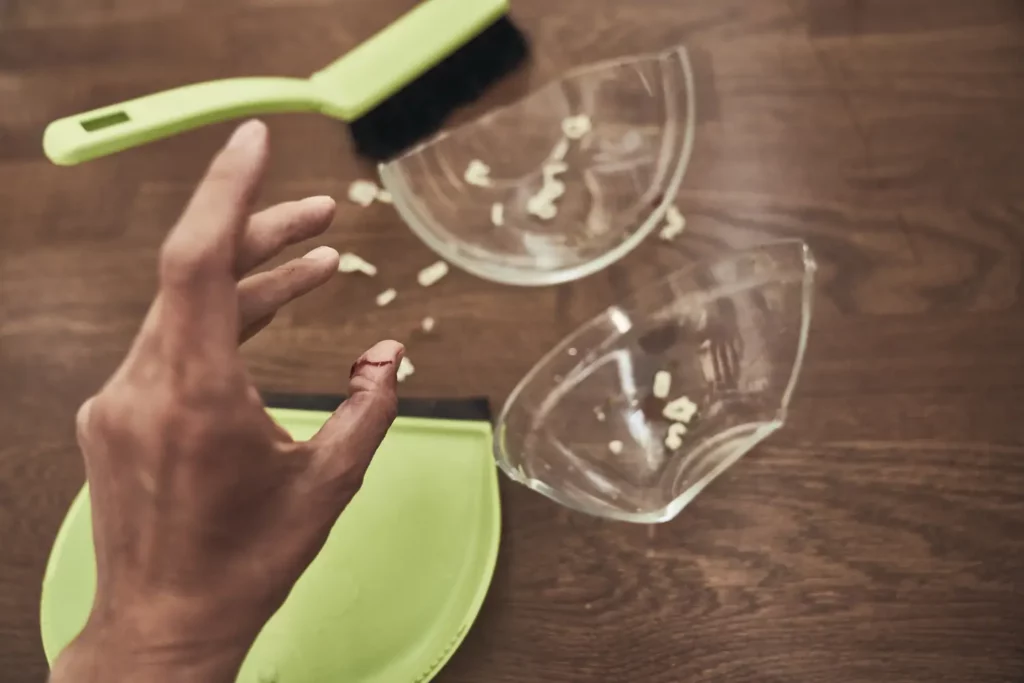
Glass Splinters
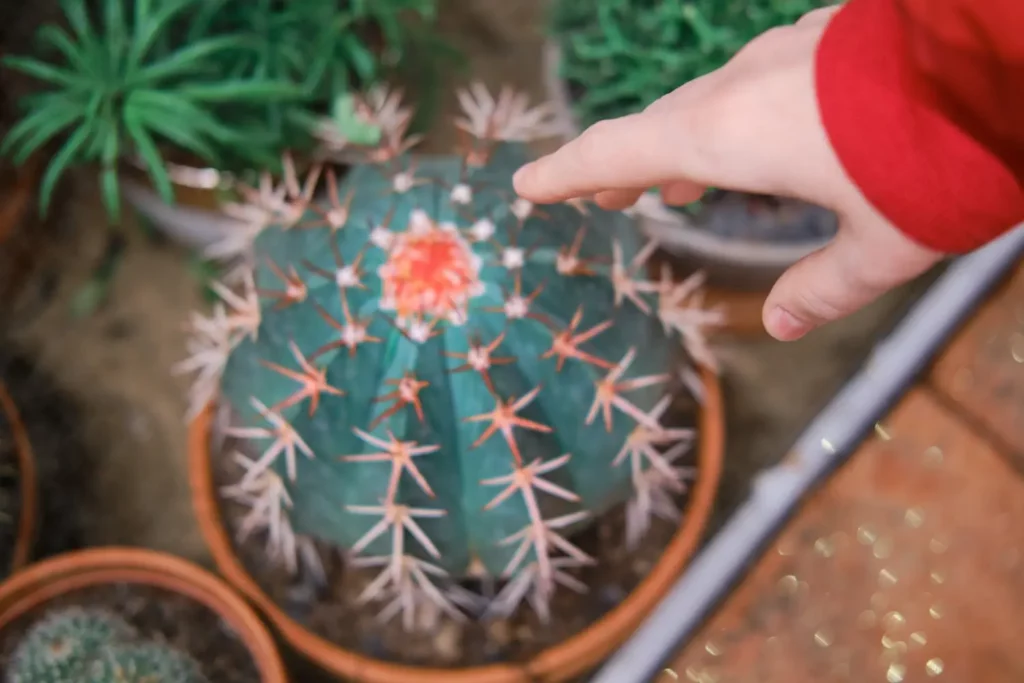
Other Types
Symptoms of a Splinter
Physical Signs
- Visible fragment under the skin
- Pain and tenderness at the site
- Redness and swelling
- Bleeding in some cases
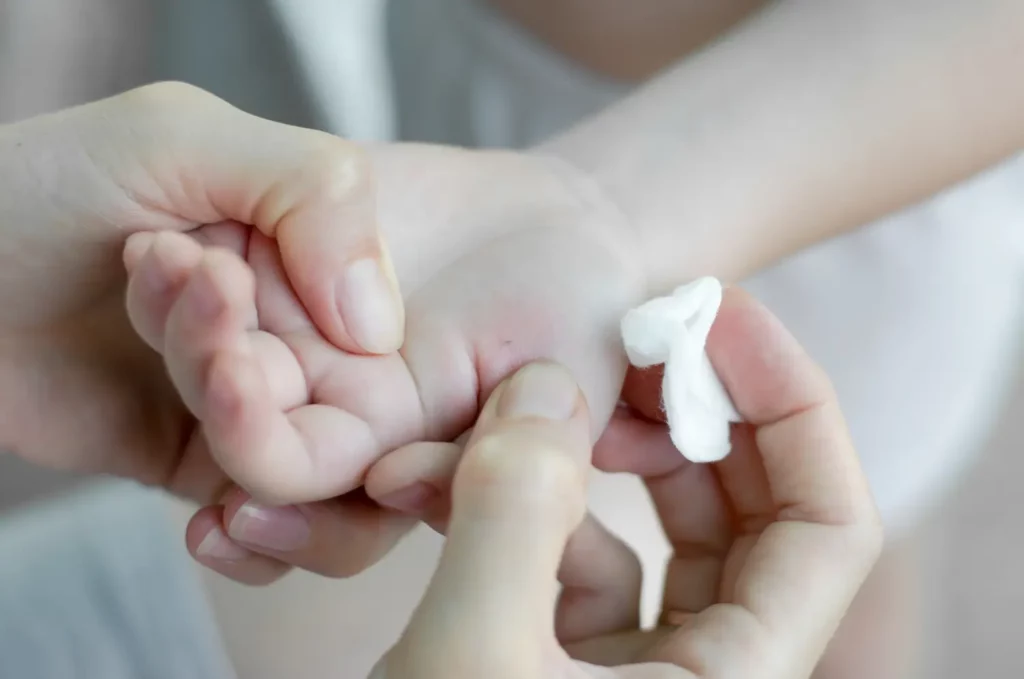
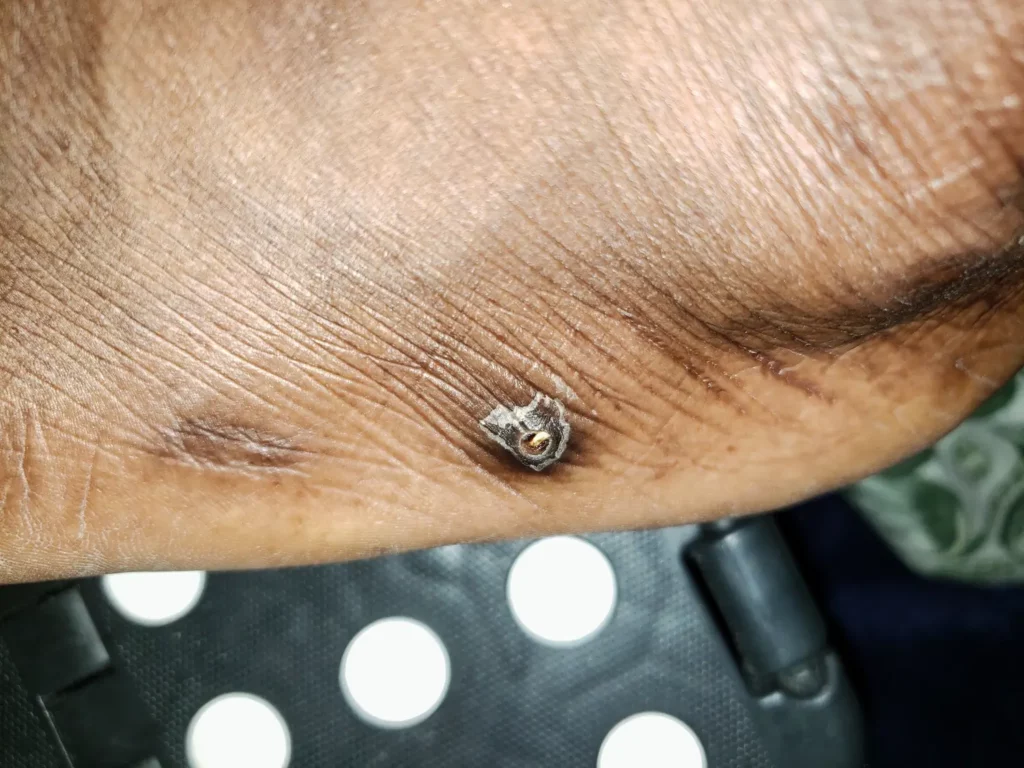
Potential Complications
- Infection characterized by increased redness, warmth, and pus
- Difficulty in removing the entire splinter, leading to further irritation
- Potential for tetanus if the splinter is from a rusty or dirty object
Looking for Splinter Removal Urgent Care?
If you’re searching for splinter removal urgent care, our emergency rooms provide prompt evaluation and treatment for painful or deeply embedded splinters. While many small splinters can be removed at home, larger, infected, or difficult-to-reach splinters often require professional medical care to prevent complications.
Our medical team can safely remove splinters from the hands, feet, fingers, toes, and other sensitive areas while checking for signs of infection or tissue damage.
Get Quick Splinter Care in Texas
Why Choose Aether Health For Splinters Treatment in Texas
Expertise
Advanced Techniques
Compassionate Care
Quick Service
Splinters FAQs
What is a splinter?
A splinter is a small, sharp fragment that penetrates the skin, often causing pain and potential infection. Splinters can come from various materials like wood, metal, glass, or even plant thorns, and they can be tricky to remove without proper care.
Where can I get splinter removal near me?
If you’re searching for splinter removal near me, Aether Health’s emergency rooms provide same-day evaluation and splinter removal for patients of all ages. Our team removes wood, metal, glass, and other embedded foreign objects while treating pain and reducing the risk of infection
Should I try to remove a splinter myself?
While minor splinters can sometimes be removed at home using tweezers or a sterilized needle, it’s best to seek professional care to avoid breaking the splinter and causing further issues. Improper removal can lead to increased pain and the risk of infection.
What are the risks of not removing a splinter?
Leaving a splinter untreated can lead to infection, prolonged pain, and in rare cases, more serious complications like tetanus. The body may also try to expel the splinter on its own, causing further irritation and inflammation.
How can I prevent splinters?
Wearing protective gloves when handling materials, using tools carefully, and avoiding walking barefoot on rough surfaces can help prevent splinters. Additionally, ensuring that workspaces are clean and free of debris can minimize the risk of getting splinters.
When should I see a doctor for a splinter?
If the splinter is deep, not fully visible, causing severe pain, or showing signs of infection such as increased redness, warmth, and pus, it’s important to see a doctor for proper removal. Seeking professional help ensures that the splinter is removed safely and completely.
Can splinters cause tetanus?
Yes, especially if the splinter is from a rusty or contaminated object. It’s crucial to get a tetanus shot if you’re not up-to-date with your vaccinations. Tetanus is a serious bacterial infection that can be life-threatening, so prompt medical attention is necessary.
How can I disinfect a splinter wound?
Clean the area with soap and water, apply an antiseptic, and cover it with a clean bandage. Keeping the wound clean and protected can help prevent infection. Seek professional care if the area shows signs of infection or if the splinter is difficult to remove.
Are there any home remedies for splinter removal?
Home remedies include using tweezers, a sterilized needle, or adhesive tape to remove the splinter. However, professional removal is recommended for safety. Some people also use baking soda paste to help draw out the splinter, but it’s important to proceed with caution to avoid pushing the splinter further into the skin.