
Multiple respiratory viruses are circulating simultaneously across the United States in early 2026. Seasonal influenza is dominating this year’s respiratory illness season at near-record levels while RSV activity remains elevated in many regions. Similarly, COVID-19 continues spreading at low but increasing rates.
This guide breaks down current virus trends, symptoms to watch for, and when to seek medical care.
Quick Snapshot: Current Virus Activity (January 2026)
| Virus | Activity Level | Key Concern |
| Seasonal Flu (particularly the H3N2 variant) | Very High | Highest flu-like illness rates since 1997 |
| RSV | Elevated | Growing in 14 states; children 0-4 most affected |
| COVID-19 | Low, Increasing | Rising in wastewater data; January peak expected |
| HMPV | Moderate | Peaks late winter through spring |
| Other (rhinovirus, adenovirus) | Year-round | Common cold; asthma triggers |
What Viruses Are Going Around Right Now?
Respiratory illness activity is high nationwide, with multiple pathogens circulating at once. According to CDC surveillance data as of mid-January 2026, the viruses currently spreading include seasonal influenza (predominantly H3N2 subclade K), respiratory syncytial virus (RSV), COVID-19, human metapneumovirus (HMPV), and common cold viruses like rhinovirus and adenovirus.
This co-circulation pattern poses elevated risks for older adults, young children, pregnant individuals, and those with chronic health conditions.
Seasonal Influenza: Record-High Activity
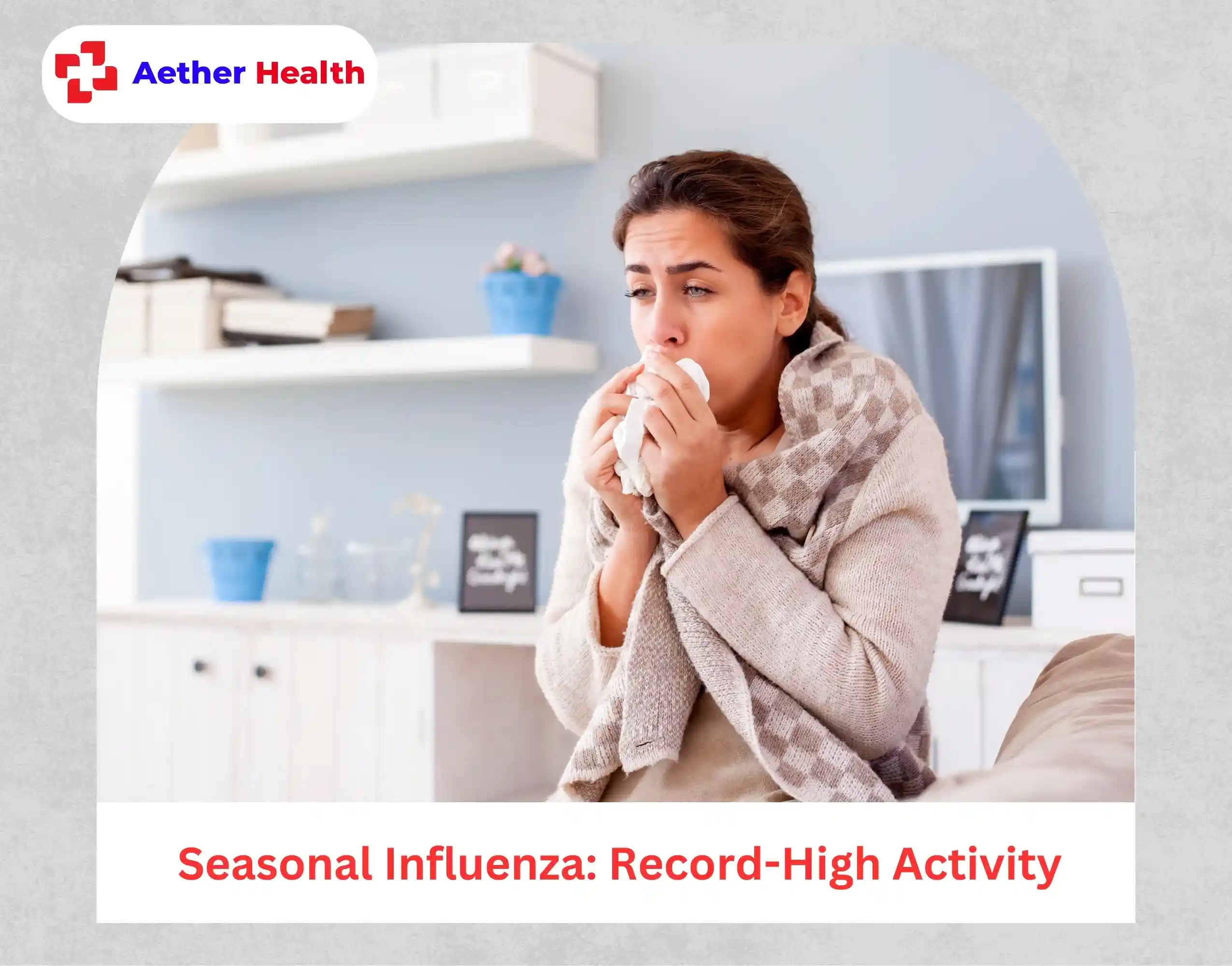
Flu is driving the bulk of respiratory illness this season. Doctor visits for flu-like symptoms reached their highest levels since the 1997-98 season, with nearly 8% of outpatient visits attributed to fever with cough or sore throat during late December 2025.
Current CDC estimates (as of January 10, 2026):
- At least 18 million flu illnesses
- 230,000 hospitalizations
- 9,300 deaths
- 32 pediatric flu deaths (90% unvaccinated)
The H3N2 subclade K variant accounts for over 90% of genetically characterized cases. This strain emerged after vaccine formulations were finalized, meaning current flu shots offer partial but still meaningful protection against severe outcomes.
CDC classifies this season as moderate severity overall, but high severity for children under 18—with the highest peak weekly pediatric hospitalization rate observed since 2010-2011.
Has Flu Activity Peaked?
Flu activity has decreased or remained stable for two consecutive weeks as of mid-January 2026. However, the CDC cautions this decline may reflect changes in healthcare-seeking behavior and reporting during the holidays rather than a true peak. The agency continues monitoring for a second wave of increased activity, which often occurs after winter holidays.
Who’s Most Affected?
When considering what viruses are going around right now in kids, influenza stands out. Children under 5, especially those under 2, face the highest flu hospitalization rates observed since at least 2010. More than 18% of doctor visits for children under 4 are flu-related, the highest rate in a decade.
Flu symptoms typically appear suddenly: high fever (102-104°F), severe body aches, exhaustion, dry cough, headache, and sometimes vomiting or diarrhea in children.
What to do: Annual flu vaccination remains the best defense. Antiviral medications like oseltamivir (Tamiflu) reduce symptom duration and complication risk when started within 48 hours.
RSV: Elevated Activity, Especially in Young Children
Respiratory syncytial virus activity is elevated in many areas, with emergency department visits and hospitalizations increasing among children aged 0-4. As of January 13, 2026, the CDC estimates RSV infections are growing or likely growing in 14 states and declining in 26.
RSV typically peaks nationally in late December or early January, though regional variation exists. The Southeast tends to peak earlier than the North and West.
Symptoms and Risk Groups
RSV causes cold-like symptoms in most healthy adults but can lead to bronchiolitis and pneumonia in infants, young children, and older adults. Warning signs in infants include wheezing, rapid breathing, difficulty feeding, lethargy, and bluish skin color.
Adults over 65 with chronic heart or lung disease face elevated risks, as RSV can trigger COPD or heart failure exacerbations.
What to do: Nirsevimab (Beyfortus), a long-acting monoclonal antibody, is recommended for all infants entering their first RSV season. Pregnant individuals can receive RSV vaccination during weeks 32-36 to provide protective antibodies to newborns. Adults over 60 should discuss RSV vaccination with their healthcare provider.
COVID-19: Low But Increasing Nationally
COVID-19 activity remains low compared to flu but shows signs of increase. As per CDC data, COVID-19 infections are growing or likely growing in only 2 states and declining in 39. However, wastewater surveillance indicates rising SARS-CoV-2 concentrations, and modeling projected a second winter peak around January 2026.
For those asking what viruses are going around right now in adults, COVID-19 remains a concern for individuals over 65, those with chronic conditions, and immunocompromised individuals—groups facing elevated hospitalization and complication risks.
Symptoms
COVID-19 symptoms vary by variant and immunity level but commonly include fever, cough, fatigue, body aches, headache, sore throat, and congestion. Loss of taste or smell occurs less frequently with recent variants.
What to do: At-home rapid tests remain widely available. High-risk individuals who test positive should contact their healthcare provider about antiviral medications like Paxlovid, most effective when started within five days of symptom onset. Updated COVID-19 vaccines are recommended for everyone six months and older.
Other Respiratory Viruses Currently Circulating
Beyond the major three, several other pathogens contribute to respiratory illness patterns:
Human Metapneumovirus (HMPV)
HMPV causes flu-like symptoms and can progress to bronchitis or pneumonia in young children, older adults, and immunocompromised individuals. This virus typically peaks in late winter and early spring. It often goes undetected because routine testing is uncommon, yet it contributes significantly to respiratory illness burden.
Rhinoviruses and Common Coronaviruses
These viruses cause most common colds, producing runny nose, sneezing, sore throat, mild cough, and low-grade fever. Symptoms are milder than flu or COVID-19. Rhinoviruses circulate year-round, peaking in spring and early fall. They’re a common trigger for asthma flare-ups.
Adenoviruses
Respiratory adenoviruses typically cause mild cold or flu-like symptoms but can also cause acute bronchitis, pneumonia, conjunctivitis (pink eye), and gastroenteritis. These hardy viruses survive on surfaces for extended periods, making hand hygiene essential.
Parainfluenza Viruses
Parainfluenza viruses commonly cause croup in children, marked by a barking cough, hoarseness, and stridor. Types 1 and 2 peak in fall; type 3 rises in spring and early summer.
Other Pathogens Worth Noting
- Mycoplasma pneumoniae: Causes “walking pneumonia”; can occur any time but may peak in summer and early fall
- Pertussis (whooping cough): Cases remain elevated compared to pre-pandemic levels
- Group A strep: More common in winter and early spring; causes strep throat
- Pneumococcal disease: Peaks in winter and early spring; ranges from ear infections to serious pneumonia
Who Faces the Highest Risk?
Different viruses pose varying risks across age groups:
- Infants and young children face greatest risks from RSV, with those under six months most vulnerable to severe disease. Flu also causes significant illness in children under five, and HMPV commonly affects this age group.
- School-age children serve as major transmission vectors for respiratory viruses but typically experience milder illness than very young children.
- Pregnant individuals face increased risks of severe illness from both COVID-19 and influenza, making vaccination during pregnancy especially important.
- Adults over 65 experience higher rates of hospitalization and complications from COVID-19, flu, and RSV due to age-related immune system changes.
- Immunocompromised individuals remain vulnerable to severe outcomes from virtually all circulating respiratory viruses.
- People with chronic conditions including heart disease, lung disease, diabetes, and obesity face elevated risks across all respiratory infections.
Prevention Strategies for Winter 2025-2026
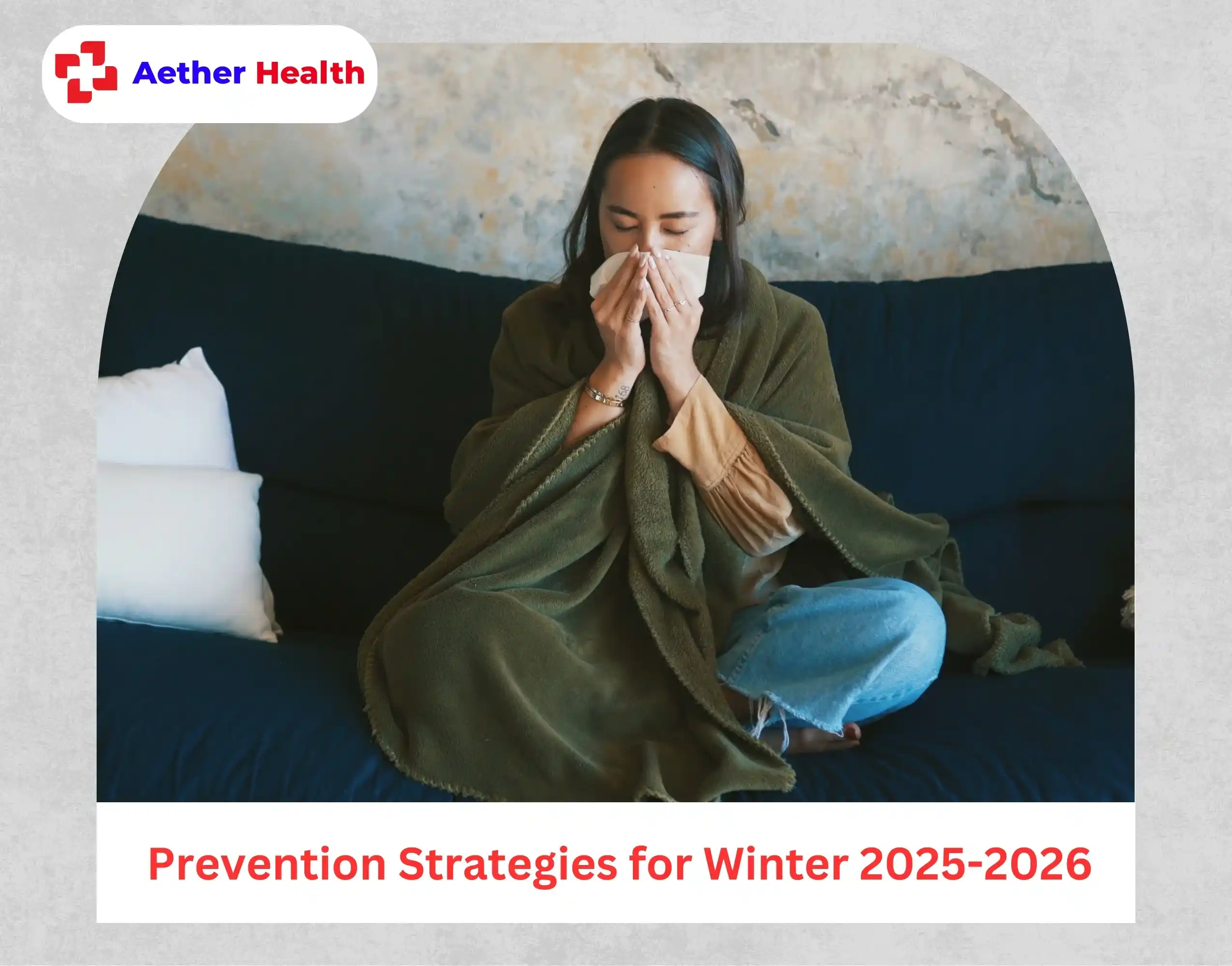
Layered protection reduces infection risk during peak respiratory illness season:
- Get vaccinated. Updated COVID-19 vaccines, annual flu shots, and RSV immunization for eligible groups provide strong protection against severe illness. Vaccine effectiveness peaks when received before viral activity rises.
- Practice thorough hand hygiene. Wash hands with soap and water for at least 20 seconds, especially after being in public spaces. Alcohol-based sanitizers (60%+ alcohol) work when soap isn’t available.
- Stay home when sick. Avoid contact with others until symptoms improve and you’ve been fever-free for 24 hours without medication.
- Consider masking in high-risk settings. Well-fitting masks reduce exposure in crowded indoor spaces, healthcare facilities, or when around vulnerable individuals.
- Improve indoor air quality. Open windows when feasible, use HEPA air purifiers, and maintain 30-50% humidity to reduce viral transmission.
When to Seek Medical Care

Most respiratory infections resolve with rest, fluids, and over-the-counter symptom relief. Seek immediate medical attention for:
- Difficulty breathing or persistent shortness of breath
- Chest pain or pressure that doesn’t resolve
- Confusion or difficulty staying awake
- Bluish lips, face, or nail beds
- Severe or worsening symptoms after initial improvement
- High fever lasting more than three days in adults
- Fever lasting more than one day in infants under three months
- Signs of dehydration (decreased urination, dizziness, extreme thirst)
High-risk individuals should contact healthcare providers early to access antiviral treatments that improve outcomes when started promptly.
Staying Informed This Respiratory Season
Virus circulation patterns will continue shifting through winter and into spring 2026. The CDC expects the 2025-2026 respiratory season to produce a similar combined hospitalization burden from COVID-19, influenza, and RSV as last season.
At Aether Health, our team helps patients understand what viruses are going around right now and when symptoms warrant medical evaluation rather than home management. With on-site diagnostics and rapid evaluations, we identify respiratory illnesses and guide appropriate next steps.
Combining vaccination, strong hygiene practices, and prompt care when symptoms worsen protects both individuals and communities during peak respiratory illness season.
FAQs
1. Is there a new virus in 2025-2026?
No major new pandemic virus has emerged. However, the H3N2 subclade K flu variant is driving unusually high flu activity this season after emerging during summer 2025.
2. How bad is the flu this season, 2025-2026?
Flu activity is at its highest level in nearly 30 years. The CDC has assessed the season as moderately severe, with at least 18 million illnesses, 230,000 hospitalizations, and 9,300 deaths reported as of mid-January 2026.
3. How long do these viruses last?
Most viral infections resolve within 3-10 days. Flu and COVID-19 symptoms can persist up to two weeks, with fatigue sometimes lingering longer.
4. What’s the difference between flu and COVID-19 symptoms?
Both cause fever, cough, body aches, and fatigue. Flu symptoms typically appear suddenly and severely, while COVID-19 may develop more gradually. Loss of taste or smell, though less common with recent variants, still suggests COVID-19. Testing is the only reliable way to distinguish between them.
5. Should I get vaccinated if I’ve already been sick this season?
Yes. Vaccination protects against strains you may not have encountered. Even after illness, updated vaccines help prevent future infections and reduce severity of any breakthrough cases.