Reviewed by the emergency care team at Aether Health ER | Spring Cypress, Kingwood, and SilverLake (Pearland), TX | +1 (713) 528-8703
THE VERDICT: Sometimes. Not always. The type matters more than the label.
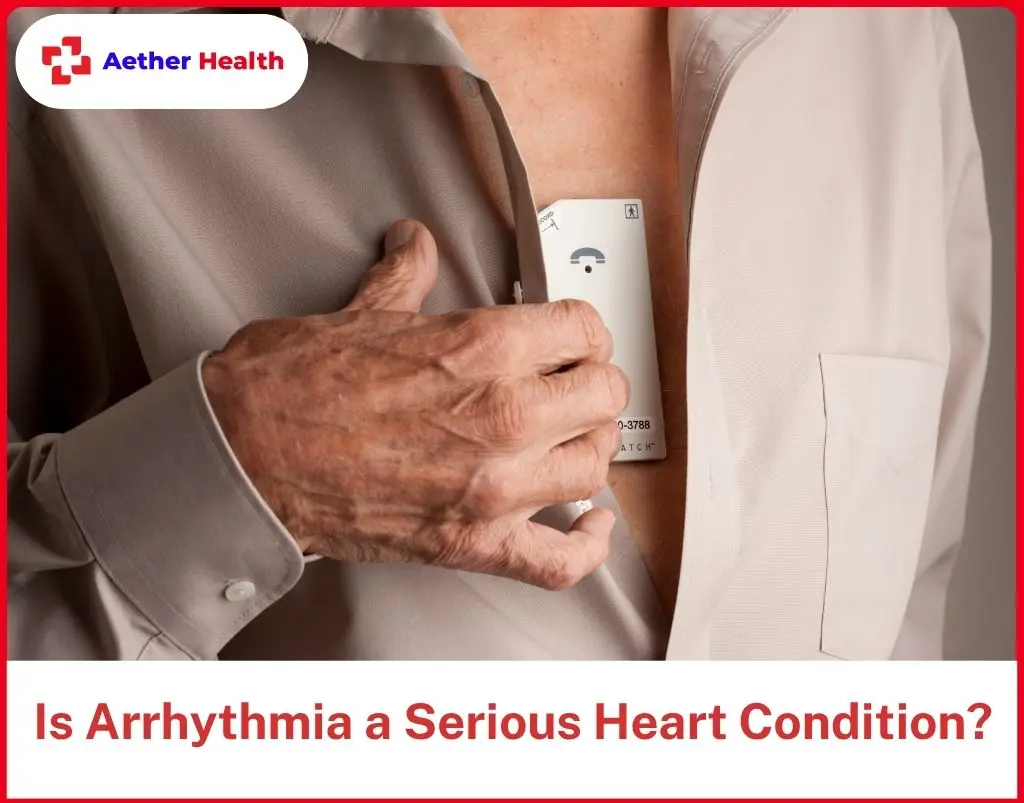
Is arrhythmia a serious heart condition? The honest answer: some arrhythmias are completely harmless, while others carry a real risk of stroke, heart failure, or sudden cardiac death. The seriousness depends entirely on the type and your underlying health.
A few extra beats after too much coffee is not the same as atrial fibrillation. Knowing which bucket your arrhythmia falls into is the single most important step in deciding whether to shrug it off or seek same-day care.
The Honest Answer
Arrhythmia can be serious, but severity varies widely. Benign arrhythmias like sinus arrhythmia or occasional premature beats rarely require treatment. Moderate arrhythmias like atrial fibrillation significantly raise stroke risk. Severe arrhythmias like ventricular fibrillation can cause cardiac arrest within minutes.
What makes your arrhythmia serious is not just its type, but your age, underlying heart disease, symptoms, and how long each episode lasts.
The Three Tiers of Arrhythmia Severity
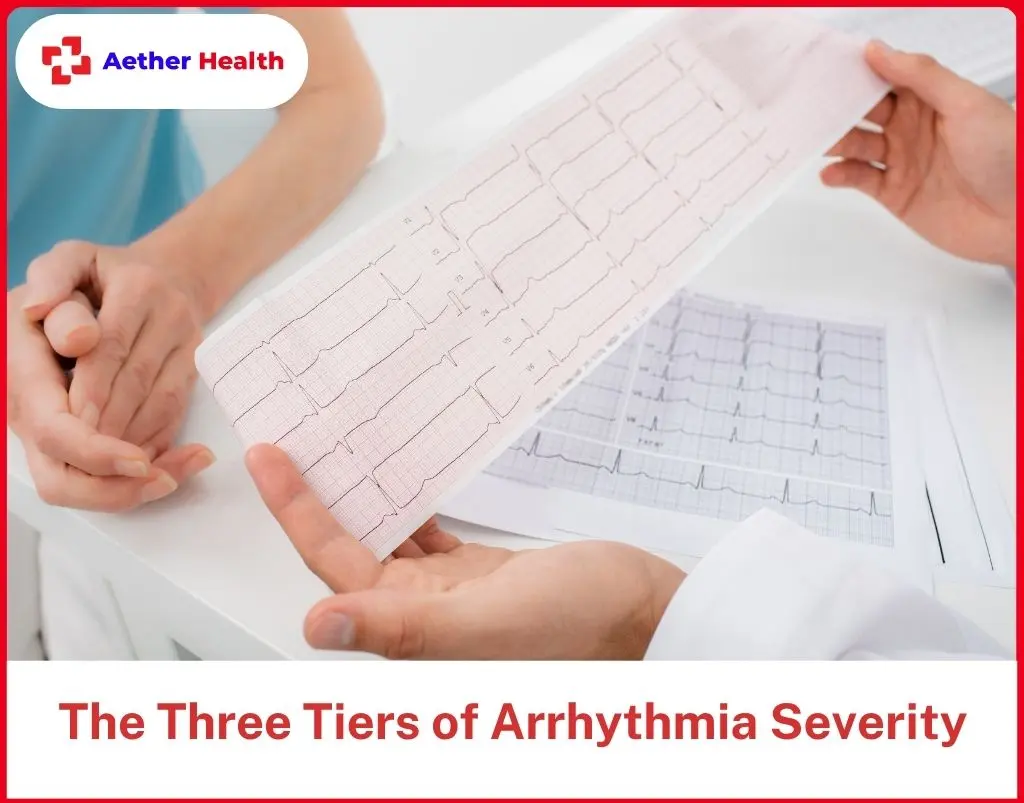
Doctors mentally sort arrhythmias into three severity tiers. Understanding where yours falls helps you make the right care decision.
TIER 1: Benign (Rarely Harmful)
Occasional, brief rhythm variations that don’t cause symptoms or complications. Often found incidentally on an EKG. Examples: sinus arrhythmia, rare premature beats, mild sinus tachycardia from caffeine or stress.
TIER 2: Moderate (Needs Medical Management)
Persistent rhythm disorders that raise risks of stroke, heart failure, or progressive heart damage over time. Not immediately life-threatening but needs ongoing care. Example: atrial fibrillation.
TIER 3: Severe (Life-Threatening)
Rhythms that can cause cardiac arrest, severe heart failure, or sudden death within minutes to hours. Examples: ventricular tachycardia, ventricular fibrillation, complete heart block, long QT syndrome with symptoms.
Which Arrhythmias Rarely Cause Harm
Several rhythm variations are so common and so benign that doctors often reassure patients and recommend no treatment at all.
- Sinus arrhythmia: Normal variation tied to breathing. Common in children, young adults, and athletes.
- Premature atrial contractions (PACs) / Premature ventricular contractions (PVCs): Occasional extra beats from the upper or lower heart chambers. Everyone has these from time to time.
- Sinus tachycardia (occasional): Faster-than-normal rhythm from the normal pacemaker. Usually from caffeine, stress, dehydration, or exercise.
- Sinus bradycardia in healthy athletes: Slower rhythm. Common and often healthy in trained athletes.
According to Harvard Health, occasional palpitations are extremely common and rarely signal a dangerous rhythm, especially in people without underlying heart disease.
Which Arrhythmias Can Be Life-Threatening
Certain rhythms demand immediate medical attention. Any of the following can lead to cardiac arrest, stroke, or sudden death if not treated quickly.
| Arrhythmia | Risk | Urgency |
| Atrial fibrillation (AFib) | 5x higher stroke risk, heart failure | Needs ongoing care |
| Ventricular tachycardia | Can degenerate into cardiac arrest | Emergency |
| Ventricular fibrillation | Causes immediate cardiac arrest | Call 911 now |
| Complete heart block | Blood flow to brain fails | Emergency |
| Long QT syndrome | Can trigger ventricular arrhythmia | Needs cardiology care |
Even atrial fibrillation, which many people live with for years, is not benign. Untreated AFib raises stroke risk five-fold. Aether Health’s irregular heartbeat emergency care provides same-visit EKG, cardiac monitoring, and physician evaluation when a serious rhythm is suspected.
What Makes an Arrhythmia Dangerous for You
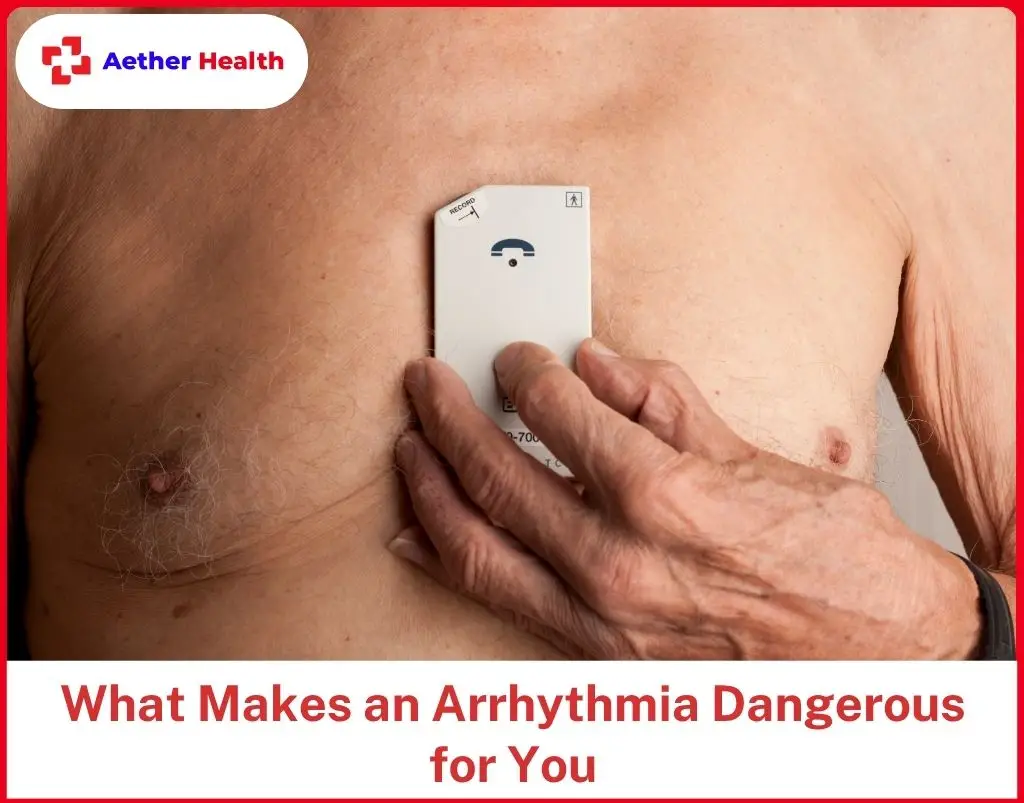
The same arrhythmia can be low-risk in one person and life-threatening in another. These are the factors that multiply danger.
Risk Multipliers to Know
- Uncontrolled high blood pressure: Chronic hypertension damages heart tissue and raises arrhythmia severity. See our page on severe hypertension emergency care for related warning signs.
- Pre-existing heart disease: Coronary artery disease, prior heart attack, heart failure, or valve disease.
- Diabetes and obesity: Both make arrhythmias more likely and more severe.
- Sleep apnea: Repeated oxygen drops during sleep destabilize heart rhythm.
- Genetic factors: Family history of sudden cardiac death or arrhythmia increases personal risk.
- Age over 65: Risk of serious complications climbs sharply after 65.
- Electrolyte imbalances: Low potassium or magnesium can turn a mild arrhythmia into a dangerous one.
- Acute illness: Fever, infection, severe anemia, or heavy bleeding can stress a borderline rhythm.
Serious Complications Arrhythmias Can Trigger
The reason arrhythmia severity matters is the cascade of complications it can set off. Johns Hopkins Medicine lists several outcomes that make certain rhythms medical emergencies.
- Stroke: Clots form in the atria during AFib and travel to the brain. AFib increases stroke risk 5-fold.
- Heart failure: Chronic rapid rhythms exhaust the heart muscle over months to years.
- Sudden cardiac arrest: Ventricular fibrillation stops effective blood pumping within seconds. Without defibrillation, death follows minutes later.
- Blood clots elsewhere: Clots can travel to lungs (pulmonary embolism) or limbs.
- Syncope: Reduced blood flow to the brain during arrhythmia episodes can cause fainting and falls.
- Progressive cardiac dysfunction: Years of poor rhythm reduce the heart’s pumping efficiency.
Signs Your Arrhythmia Needs Immediate ER Care
Go to the ER right away if any of the following apply. These are the patterns most strongly associated with life-threatening rhythms.
- Chest pain or heavy pressure with your rhythm change
- Fainting or near-fainting spells
- Shortness of breath at rest
- Severe dizziness that doesn’t resolve
- Rapid heartbeat (over 150 bpm) that lasts longer than 30 minutes
- Very slow heartbeat (under 40 bpm) with symptoms
- Confusion, slurred speech, or sudden weakness
- New palpitations in someone with heart disease or prior stroke
- Pregnancy with persistent rhythm symptoms
| Do not drive yourself if you feel faint or confused. Call 911 or ask someone to drive you. Aether Health ER is open 24/7 with same-visit EKG, cardiac monitoring, and board-certified physicians at three Greater Houston locations. |
Decision Guide: ER, Urgent Care, or Primary Care?
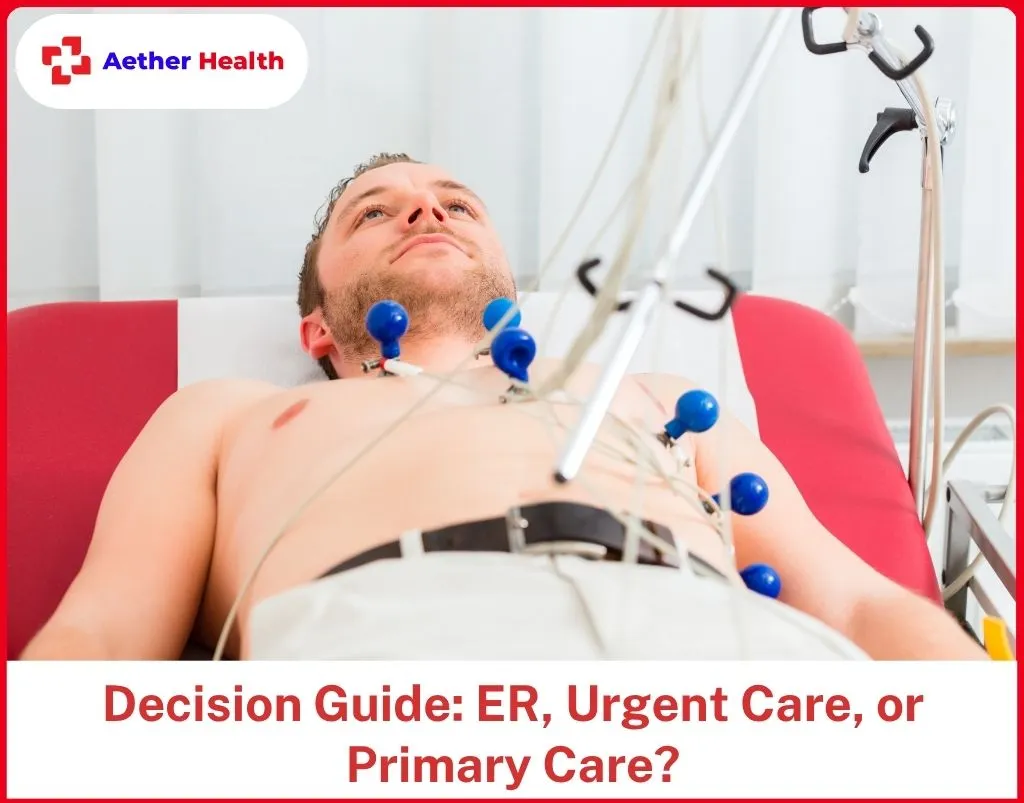
Not every arrhythmia needs the ER. Use this framework to choose the right level of care.
Go to the ER
- Any of the warning signs above
- Rapid rhythm lasting over 30 minutes
- New rhythm change with chest pain, breathlessness, or fainting
- Rhythm change in someone with known heart disease
Visit Urgent Care
- Occasional palpitations without other symptoms
- A mild rhythm variation that resolves on its own
- General question about results from a recent EKG
See Your Primary Care Provider
- For long-term management: Follow-up on diagnosed arrhythmia, routine monitoring, and lifestyle guidance. For same-day evaluation of urgent symptoms, visit Aether Health or contact our team directly.
Common Questions About Arrhythmia Severity
Can you live a long life with arrhythmia?
Yes, especially with benign or well-managed arrhythmias. Many people live decades with controlled atrial fibrillation. The key is proper diagnosis, consistent care, and managing underlying risk factors like hypertension and diabetes.
Which arrhythmia is the most dangerous?
Ventricular fibrillation is the most dangerous because it causes immediate cardiac arrest. Ventricular tachycardia and complete heart block are also life-threatening. All require emergency care with cardiac monitoring and often defibrillation.
Can arrhythmia cause a stroke?
Yes. Atrial fibrillation is a leading cause of stroke because clots can form in the atria and travel to the brain. Any arrhythmia symptoms with weakness, speech changes, or facial drooping require immediate 911 or ER care.
Can dizziness mean serious arrhythmia?
Yes. Severe dizziness or fainting with palpitations can signal a dangerous rhythm or inadequate blood flow to the brain. Aether Health provides emergency care for dizziness alongside cardiac evaluation.
How is arrhythmia diagnosed?
A standard EKG captures rhythm issues present at the moment. For rhythms that come and go, cardiologists use Holter monitors (24-48 hours), event monitors, or implantable loop recorders. Blood work rules out contributing causes.
Not Sure How Serious It Is? Get Evaluated Today
Aether Health ER offers same-visit EKG, cardiac monitoring, and board-certified emergency physicians across three Greater Houston locations. No appointment. No referral.
Call +1 (713) 528-8703 or walk into Spring Cypress, Kingwood, or SilverLake (Pearland). Open 24/7, every day of the year.