
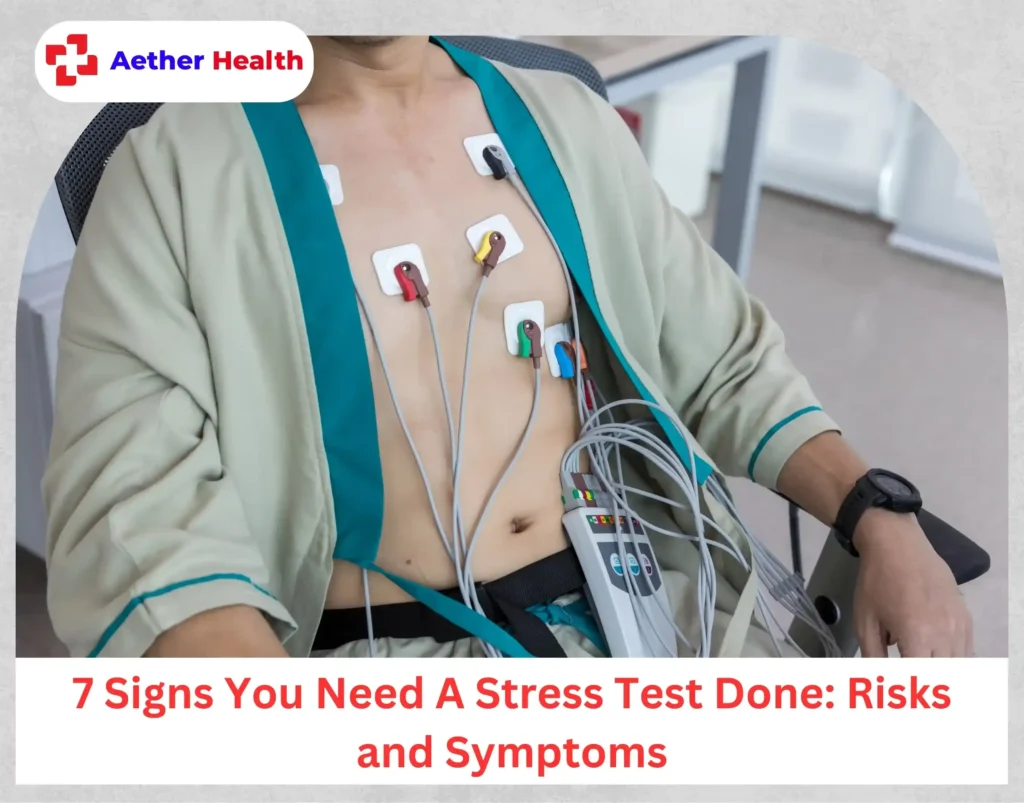
Heart disease often develops gradually and may not show clear warning signs at first. However, symptoms that appear during physical activity can sometimes indicate that your heart isn’t functioning properly.
A cardiac stress test helps doctors evaluate how well your heart works when it’s under physical strain. It can detect issues such as reduced blood flow, irregular heart rhythms, or early signs of heart disease.
What Is a Cardiac Stress Test?
A cardiac stress test, sometimes called an exercise stress test, measures how your heart responds to physical exertion. During the procedure, you typically walk on a treadmill or pedal a stationary bicycle while medical professionals monitor your heart using an electrocardiogram (ECG), blood pressure readings, and sometimes imaging tests.
If a patient cannot exercise, the doctors may use drugs to mimic the effects of exercise on the heart. The aim is to see if the heart gets enough oxygen and blood flow when it’s under stress.
Stress tests are frequently used to diagnose heart disease, assess symptoms related to cardiovascular disease, and measure how effective treatments are often given for existing heart disease.
Common Signs You Need A Stress Test
Chest Pain or Pressure While Exercising
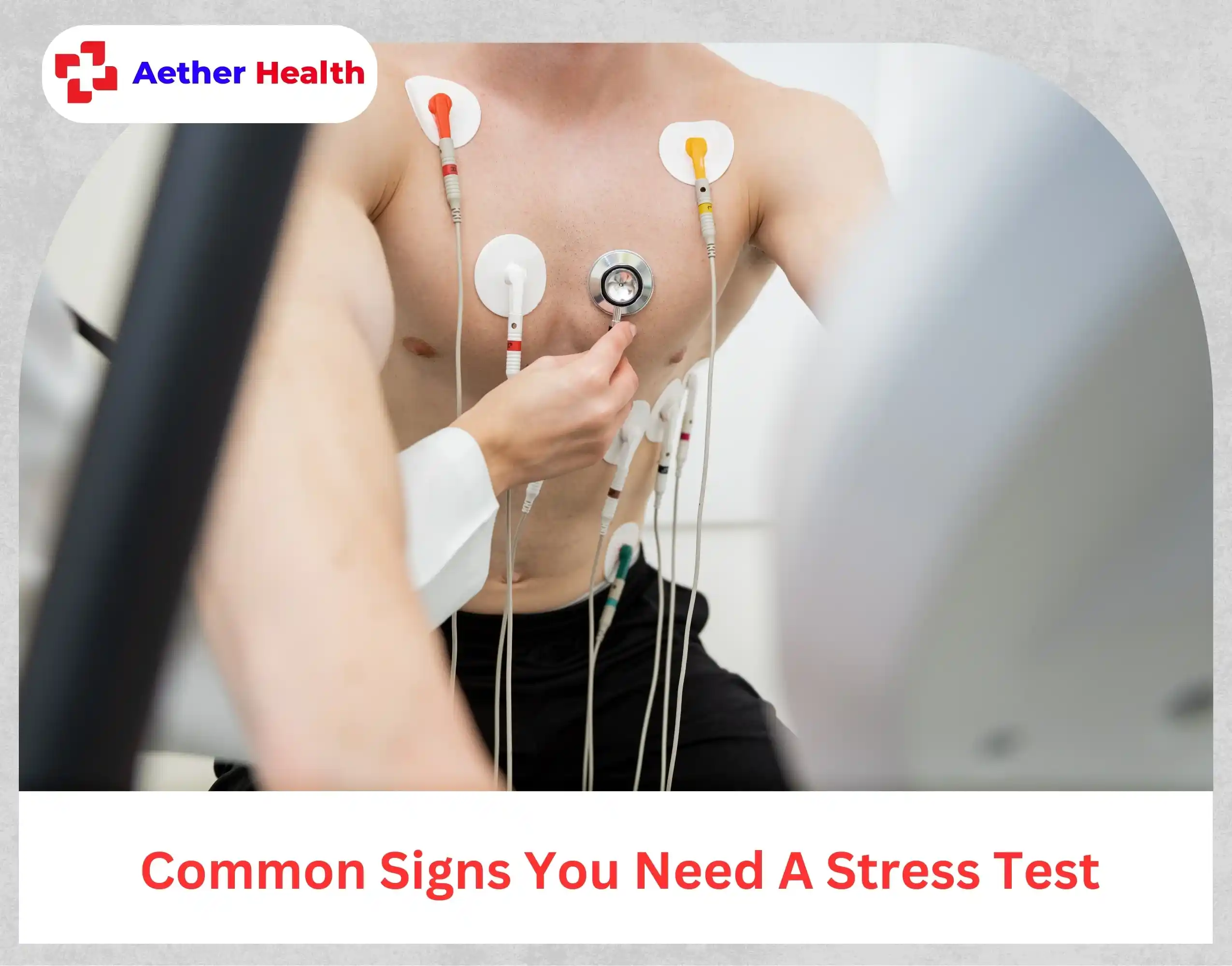
Chest Pain or discomfort is one of the most common reasons for a doctor to recommend performing a stress test, especially if it occurs during physical activity. This indicates low blood supply, which can be caused by coronary artery disease.
Chest pain may feel like:
- Pain, numbness, weakness or coldness in the arm or shoulder.
- Burning or squeezing sensations.
- Pain that spreads to your arms, neck, jaw or back.
If these symptoms happen during exercise or emotional stress and get better with rest, your doctor may recommend a stress test to see if the heart is getting enough blood during exertion.
Breathlessness While Relaxing or in Mild Activity
Although it’s normal to feel a bit breathless during vigorous exercise, unusual shortness of breath during light activity can be an early sign of heart disease.
If your heart is unable to pump blood properly, your body may not get enough oxygen when you’re active. This may lead to symptoms like:
- Difficulty breathing during routine activities.
- Feeling winded after minimal exertion.
- Shortness of breath when you exert yourself.
A stress test can help ascertain whether your breathing troubles are cardiovascular in nature.
Irregular Heartbeat or Palpitations
An irregular or racing heartbeat so-called heart palpitations can sometimes indicate an abnormal heart rhythm (arrhythmia). They might feel like fluttering, pounding or skipped beats in the chest.
Although occasional palpitations may not always signal a serious problem, if you are experiencing them frequently or during activity, further evaluation may be in order. In a stress test, doctors check your heart rhythm as you perform exercise to detect arrhythmias that may not show up at rest.
Detecting abnormal heart rhythms early can lead to treatments that prevent complications like fainting spells, stroke or heart failure.
Dizziness or Lightheadedness With Physical Activity
A dizzied or lightheaded feeling after exercising may symbolize that the brain is not getting adequate oxygenated blood. This can happen if the heart fails to maintain adequate circulation with exertion.
Possible symptoms include:
- Feeling faint during exercise.
- Sudden dizziness after physical effort.
- Near-fainting episodes.
A stress test can help determine if these symptoms are related to cardiovascular problems, arrhythmias or other underlying conditions.
Unexplained Dyspnea or Decreased Exercise Capacity
Ongoing fatigue that you can’t entirely attribute to lack of sleep or overworking yourself might sometimes be connected with heart health. If the heart isn’t able to pump efficiently, then the body may not get enough oxygen and nutrients during action.
Symptoms that should be further evaluated include:
- Unusual fatigue after light physical activity.
- Struggling with tasks that used to be daily life.
- Decreased tolerance for exercise, or endurance.
A stress test can help assess whether reduced exercise tolerance is due to decreased heart function.
Risk Factors for Heart Disease
If you have many cardiovascular disease risk factors, your doctor might also suggest a stress test, even if you’re not having symptoms now. These risk factors raise the chances of heart trouble over time.
Common risk factors include:
- High blood pressure.
- High cholesterol levels.
- Diabetes.
- Smoking.
- Obesity or sedentary lifestyle.
- Family history of heart disease.
For people with multiple risk factors, a stress test can reveal that early cardiovascular changes have occurred before they cause more serious problems.
Monitoring an Existing Heart Condition
Stress tests can also be performed if a person already has a diagnosed heart condition. Doctors may order periodic testing to check how well treatments are working and the progress of the disease.
As an example, a stress test might be deployed to:
- Assessment on heart medications.
- Test recovery after a heart attack or heart operation.
- Track blood flow after stenting or bypass surgery.
- Identify appropriate levels of exercise for cardiac rehabilitation.
These assessments assist physicians to modify treatment plans and also ensure the heart is as safe as possible while exercising.
What Do Doctors Look For During a Stress Test?
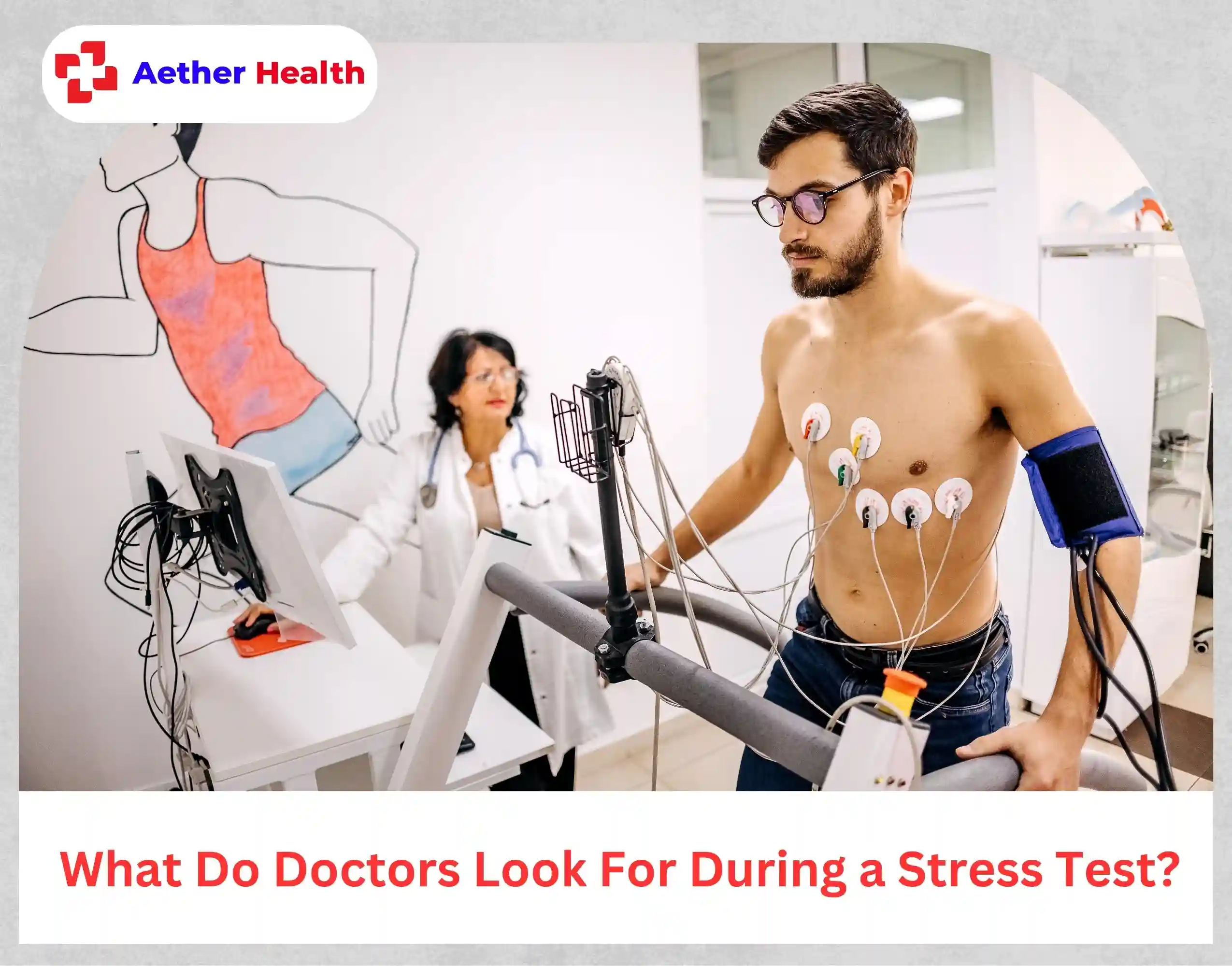
A standard stress test is conducted in a controlled medical setting and usually lasts between 30 to 60 minutes. The process typically involves a number of stages:
Preparation: Electrodes are placed on the chest to measure heart activity, and blood pressure cuffs are put on.
Exercise Phase: Walk on a treadmill or pedal a stationary bike with increasing intensity.
Monitoring: Medical staff constantly monitor your heart rate, blood pressure, breathing and ECG during the test.
Recovery Phase: This period starts when exercise has stopped, and your heart activity remains monitored to see how well it returns to its resting state.
The results allow doctors to assess whether the heart is getting enough blood flow, and whether additional testing or treatment may be necessary.
When to Seek Medical Evaluation
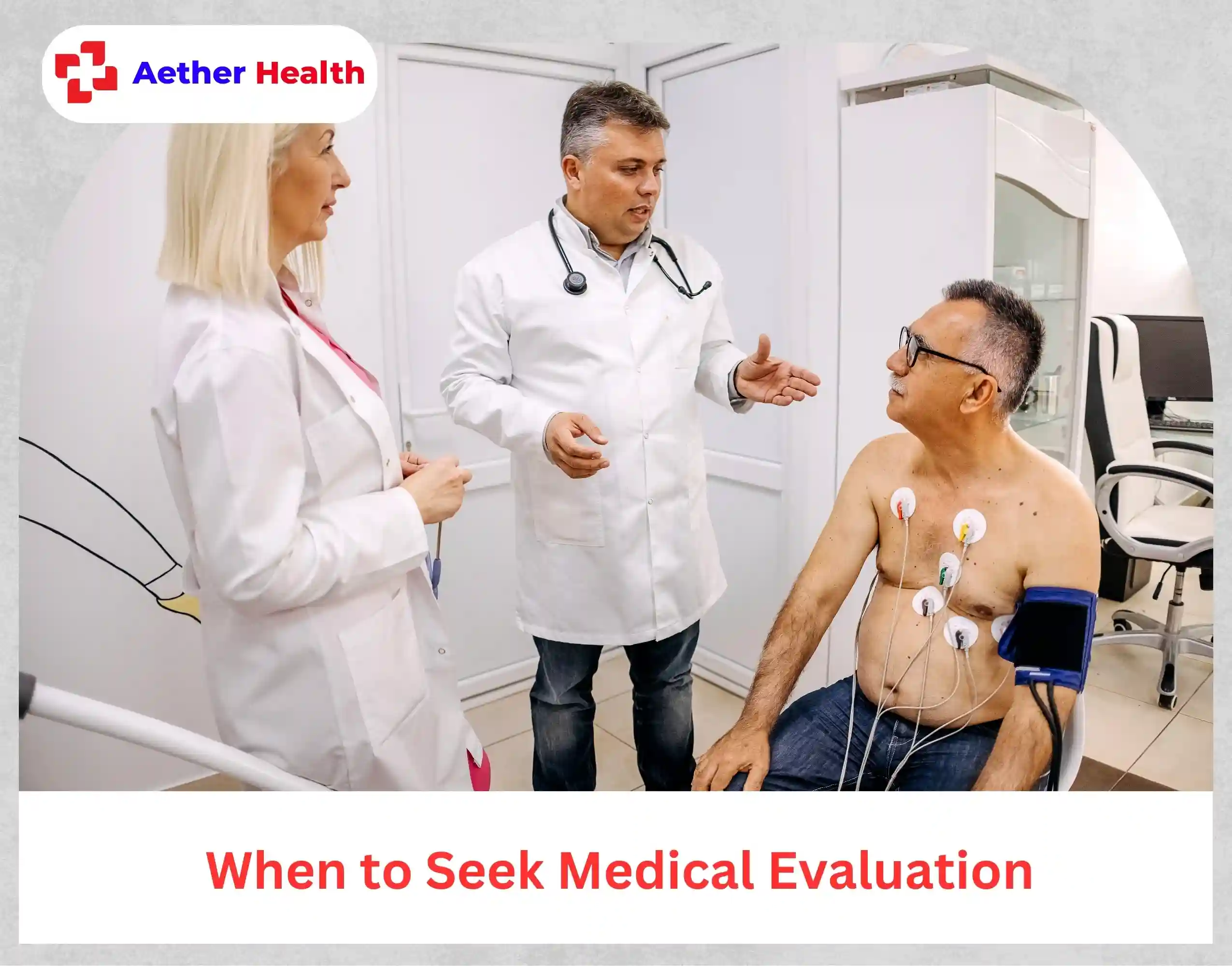
If you have symptoms like chest discomfort, shortness of breath, dizziness or unexplained fatigue, especially while doing anything physical, it’s best to check with a health care professional or visit the nearest Emergency room for a quick checkup.
Early detection of cardiovascular problems enables physicians to suggest lifestyle changes, medications or other treatments that can cut the risk of heart attacks and other complications by a large margin.
Conclusion
One key diagnostic tool used to assess how well your heart gets blood under stress is a cardiac stress test. Symptoms like chest pain, shortness of breath, irregular heartbeats, dizziness and unexplained fatigue may all warrant further heart evaluation.
Being aware of these warning signs and seeking medical help in time can be an important way to keep your heart health intact. If you experience any concerning symptoms, especially while exercising, it may be worth talking to your doctor about whether a stress test is right for you.