Stroke is a serious medical emergency that occurs when blood flow to the brain is blocked or when a blood vessel in the brain bursts. Without oxygen-rich blood, brain cells begin to die within minutes, which is why recognizing the signs of a stroke in women quickly is critical.
Although many stroke symptoms are similar for men and women, women may experience additional or more subtle warning signs that can sometimes be overlooked.
This comprehensive guide explains the common stroke symptoms, unique warning signs in women, risk factors, and when to seek emergency care.
Why Stroke Symptoms in Women May Be Different
Stroke affects millions of people worldwide, and women are particularly vulnerable. Women tend to live longer than men and often experience strokes at older ages, which increases their overall lifetime risk.
In addition, women may experience non-traditional stroke symptoms, such as nausea, fatigue, or confusion, which can make diagnosis more challenging and sometimes delay treatment.
Because of these differences, recognizing both classic and female-specific stroke symptoms is essential.
Common Stroke Symptoms in Women
Many stroke symptoms are the same for both men and women. Healthcare professionals often use the FAST method to quickly recognize stroke signs.
1) Face Drooping
One of the most recognizable signs of a stroke is sudden facial drooping on one side. When the person smiles, the smile may appear uneven or one side of the mouth may sag.
2) Arm Weakness
Stroke often causes sudden weakness or numbness in one arm. If a person raises both arms, one arm may drift downward or feel unusually weak.
3) Speech Difficulty
Speech problems are another key warning sign. A person may:
- Slur words.
- Have difficulty speaking clearly.
- Struggle to understand what others are saying.
If any of these symptoms appear suddenly, immediate medical attention is critical. Rapid treatment can significantly reduce brain damage and disability.
Other Classic Stroke Symptoms
In addition to the FAST signs, stroke may also cause several other neurological symptoms, including:
- Sudden numbness or weakness in the face, arm, or leg, especially on one side of the body.
- Sudden trouble seeing in one or both eyes.
- Loss of balance or coordination.
- Difficulty walking or dizziness.
- Sudden severe headache with no known cause.
These symptoms typically appear suddenly and without warning.
Unique Signs of a Stroke in Women
While women experience the classic stroke symptoms described above, they may also have additional or less typical symptoms that are not always immediately associated with stroke.
1) Sudden Nausea or Vomiting
Women experiencing a stroke may develop unexpected nausea or vomiting, especially when combined with other neurological symptoms.
2) Extreme Fatigue or Weakness
Unusual or sudden fatigue may occur, sometimes accompanied by a general feeling of weakness or exhaustion.
3) Confusion or Disorientation
Stroke can cause changes in mental status, including:
- Confusion.
- Difficulty thinking clearly.
- Memory problems.
- Disorientation.
These symptoms may appear suddenly and should not be ignored.
4) Loss of Consciousness or Fainting
Some women may experience fainting, loss of consciousness, or severe dizziness during a stroke.
5) Shortness of Breath
Breathing difficulties or a sudden feeling of breathlessness may occur in some cases.
6) Sudden Behavioral Changes
Stroke can also cause unusual behavior changes such as agitation, drowsiness, or difficulty responding to others.
Because these symptoms can mimic other conditions, they are sometimes misinterpreted, which may delay urgent medical care.
Warning Signs That Require Immediate Medical Attention
If you or someone else experiences any of the following symptoms suddenly, it is important to seek emergency care immediately:
- Sudden weakness or numbness on one side of the body.
- Difficulty speaking or understanding speech.
- Severe headache with no known cause.
- Loss of vision or blurred vision.
- Trouble walking or loss of coordination.
- Sudden confusion or altered mental state.
Immediate treatment is essential because certain stroke treatments are most effective within the first few hours after symptoms begin.
Risk Factors for Stroke in Women
Several health and lifestyle factors increase the risk of stroke. Some risk factors are common to both men and women, while others are unique to women.
Common Risk Factors
- High blood pressure.
- Diabetes.
- High cholesterol.
- Smoking.
- Heart disease.
- Physical inactivity.
Female-Specific Risk Factors
Women may also face additional risks, including:
- Pregnancy-related complications.
- Hormonal birth control use.
- Hormone replacement therapy.
- Migraines with aura.
- Certain autoimmune diseases.
How to Respond If Someone Shows Stroke Symptoms
If you suspect a stroke, take immediate action:
- Call emergency services or visit the nearest 24/7 emergency room
- Note the time when symptoms began.
- Keep the person calm and seated or lying down.
- Do not give food or drink if swallowing is difficult.
Quick response can dramatically improve survival rates and reduce long-term disability.
Quick Ways To Prevent Stroke in Women
Although not all strokes can be prevented, several lifestyle habits can reduce risk.
Recommended prevention strategies include:
- Monitoring blood pressure regularly.
- Maintaining a healthy diet.
- Exercising regularly.
- Quitting smoking.
- Managing diabetes and cholesterol.
- Limiting alcohol consumption.
Final Thoughts
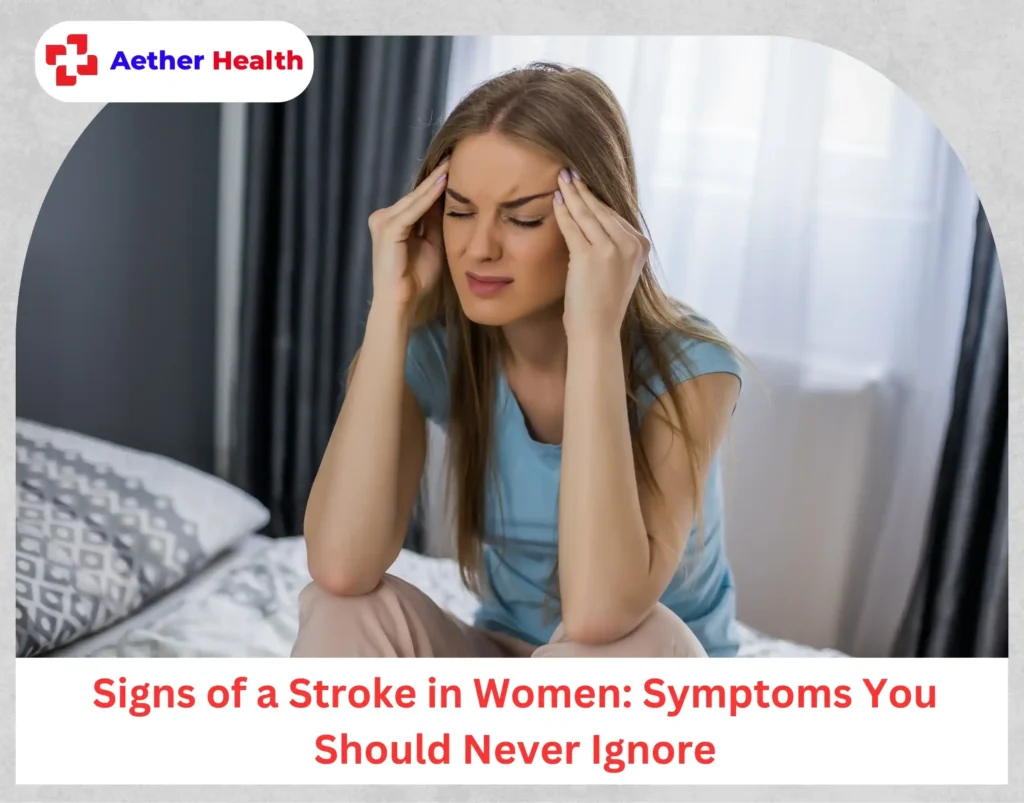
Recognizing the signs of a stroke in women can save lives. While classic symptoms such as facial drooping, arm weakness, and speech difficulty are common, women may also experience less obvious symptoms like nausea, fatigue, confusion, or fainting.
Because a stroke is a medical emergency, acting quickly is essential. If you notice sudden neurological symptoms in yourself or someone else, seek immediate medical care. Early treatment can significantly reduce brain damage and improve recovery outcomes.
FAQs
1) What are the early signs of a stroke in women?
Early signs include face drooping, arm weakness, speech difficulty, sudden confusion, dizziness, and severe headache.
2) Are stroke symptoms different in women?
Yes. Women may experience additional symptoms such as nausea, fatigue, confusion, shortness of breath, or fainting.
3) What is the FAST test for stroke?
FAST stands for Face drooping, Arm weakness, Speech difficulty, and Time to call emergency services.
4) Can stroke symptoms appear suddenly?
Yes. Stroke symptoms usually occur suddenly and require immediate medical attention.
5) Why are strokes sometimes harder to detect in women?
Women may experience less typical symptoms like fatigue or nausea, which can sometimes be mistaken for other conditions.