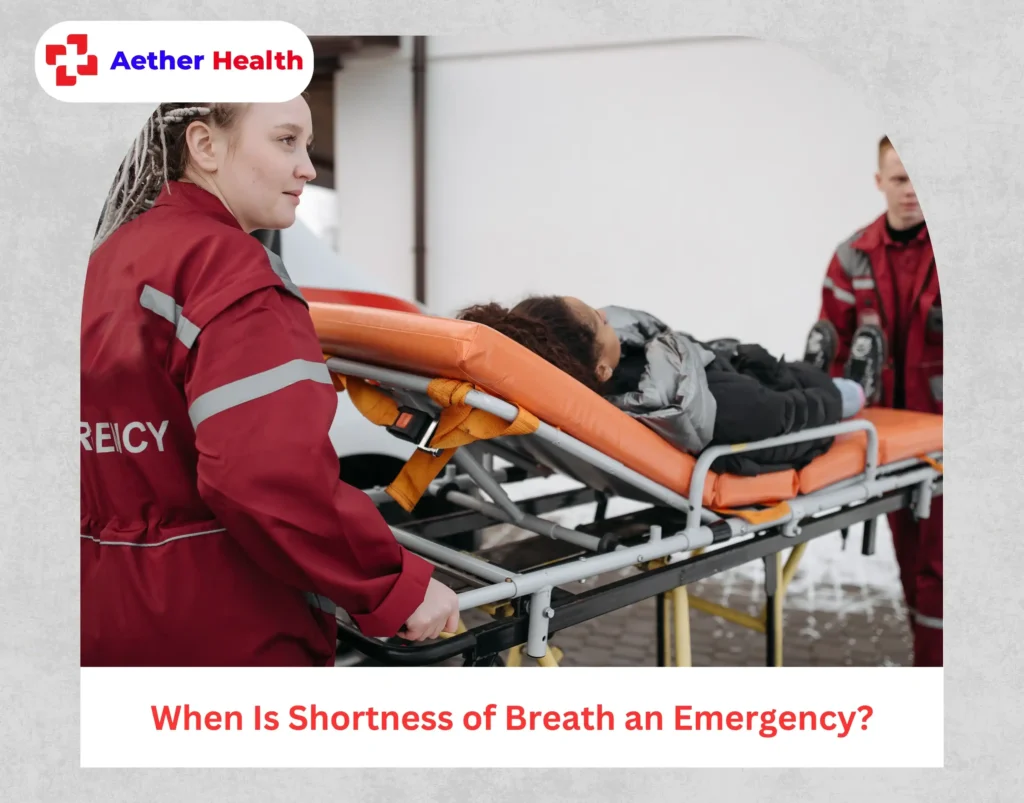
Shortness of breath sends more people to emergency rooms than almost any other symptom. Yet most arrive uncertain whether their symptoms truly warrant urgent care. That hesitation makes sense. The same sensation of struggling to breathe can signal something minor or something life-threatening.
When is shortness of breath an emergency? The answer depends on how quickly symptoms develop, what accompanies them, and whether they respond to rest. Let’s break down exactly where your symptoms fall on that spectrum.
Why Does Shortness of Breath Come and Go?
Intermittent breathlessness often confuses people more than constant breathing difficulty. One moment you’re fine. The next, you’re gasping. This pattern doesn’t mean the problem is less serious.
Shortness of breath that comes and goes usually stems from triggers your body encounters periodically. Allergies, exercise, anxiety, and positional changes all cause episodic symptoms. So do serious conditions like arrhythmias, where irregular heart rhythms disrupt oxygen delivery in unpredictable waves.
When does intermittent breathlessness become emergency?
Pay attention to these shifts:
- Episodes increasing in frequency or intensity
- Recovery time between episodes growing longer
- New symptoms appearing during episodes (dizziness, chest tightness)
- Episodes occurring without identifiable triggers
Breathing problems that once resolved in minutes but now linger for hours suggest progression. Similarly, sudden shortness of breath without any clear cause demands evaluation, even if it passes. The underlying issue may be worsening between episodes.
How Do You Know If Shortness of Breath Is Serious?
Normal breathlessness after exercise or mild anxiety resolves quickly with rest. It doesn’t interrupt your day or linger in your thoughts. Emergency breathing difficulty behaves differently.
Symptoms of shortness of breath that signal serious problems include:
- Breathing trouble at rest, without exertion
- Rapid worsening over minutes or hours
- Unexplained onset with no clear trigger
- Accompanying symptoms like chest pain, dizziness, or confusion
Your respiratory system normally adapts smoothly to changing oxygen demands. When something disrupts this balance, your body sends distress signals. Learning to read those signals accurately separates minor inconveniences from medical emergency.
The critical question isn’t just “am I short of breath?” It’s “is this different from what I normally experience?”
When Is Shortness of Breath an Emergency?
Shortness of breath is an emergency if it occurs at rest, worsens rapidly, or comes with chest pain, dizziness, or confusion. Here are the emergency warning signs:
1. Chest Pain and Pressure
When breathing difficulties combine with chest pain, crushing sensations, or pressure radiating to the arms, neck, or jaw, this could indicate a heart attack or pulmonary embolism. These conditions require immediate treatment to prevent permanent damage or death.
2. Sudden Severe Onset
Shortness of breath that develops rapidly within minutes or hours, especially without clear cause, suggests serious underlying conditions like pneumothorax (collapsed lung), severe asthma attack, or blood clot in the lungs.
3. Blue or Gray Skin Color
Cyanosis, particularly around the lips, fingernails, or face, indicates insufficient oxygen in the blood. This is a critical sign that body tissues aren’t receiving adequate oxygen, requiring immediate medical intervention.
4. Loss of Consciousness or Near-Fainting
When breathing problems cause dizziness, confusion, or loss of consciousness, the brain isn’t receiving enough oxygen. This represents a life-threatening emergency.
5. Inability to Speak in Full Sentences
If someone cannot complete a sentence without gasping for air, their breathing distress is severe and requires immediate attention.
6. Rapid Heart Rate
A racing pulse combined with breathing difficulties often indicates the body is struggling to maintain adequate oxygen levels, suggesting conditions like severe anemia, heart problems, or lung disease.
What Conditions Cause Life-Threatening Shortness of Breath?
Several serious medical conditions can cause emergency-level breathing difficulties. Understanding these conditions helps recognize when immediate medical care is essential.
- Heart Attack (Myocardial Infarction): Heart attacks don’t always present with classic chest pain. Shortness of breath may be the primary symptom, especially in women, elderly individuals, and people with diabetes. When the heart muscle lacks adequate blood flow, it cannot pump effectively, causing fluid backup in the lungs.
- Pulmonary Embolism: Blood clots that travel to the lungs block blood flow to lung tissue, causing sudden, severe shortness of breath often accompanied by chest pain and rapid heart rate. This condition can be fatal without prompt treatment with blood thinners or clot-removal procedures.
- Severe Asthma Attack (Status Asthmaticus): While many people manage asthma successfully, severe attacks can be life-threatening. Airways become so constricted that normal rescue medications prove ineffective, requiring emergency treatment with stronger medications and oxygen support.
- Pneumothorax (Collapsed Lung): When air leaks into the space between the lung and chest wall, the lung can collapse, causing sudden severe breathing difficulties and chest pain. This condition requires immediate medical intervention to re-expand the lung.
- Anaphylaxis: Severe allergic reactions can cause rapid swelling of airways, making breathing extremely difficult or impossible. Anaphylaxis is a life-threatening condition that requires immediate epinephrine administration and emergency medical care.
- Acute Heart Failure: When the heart suddenly cannot pump blood effectively, fluid accumulates in the lungs, causing severe breathing difficulties that worsen when lying down. This condition requires immediate treatment to reduce fluid buildup and improve heart function.
Red Flag Symptoms Requiring Immediate Attention
Beyond the obvious signs of respiratory distress, several subtle symptoms should trigger immediate medical consultation when they accompany shortness of breath:
- Sweating and Nausea: These symptoms, particularly when combined with breathing difficulties, often indicate heart problems requiring immediate evaluation. The body’s stress response during cardiac events frequently includes profuse sweating and gastrointestinal upset.
- Swelling in Legs or Ankles: When breathing problems occur alongside lower extremity swelling, this suggests heart failure or other circulatory problems that need prompt medical attention.
- Persistent Cough with Blood: Coughing up blood while experiencing breathing difficulties can indicate serious lung conditions, blood clots, or other life-threatening problems requiring immediate evaluation.
- Fever with Breathing Difficulties: High fever combined with shortness of breath may indicate severe pneumonia or other serious infections that can rapidly become life-threatening without proper treatment.
- Severe Fatigue and Weakness: When breathing problems occur with extreme fatigue, especially if symptoms develop over hours or days, this could indicate heart disease, severe anemia, or other serious conditions.
Can Chronic Conditions Become Breathing Emergencies?
Yes, conditions like chronic respiratory or cardiac issues can lead to breathing emergencies. Look for these clues:
- Worsening Symptoms Despite Medication: If your usual inhaler or heart meds don’t work, seek urgent care.
- Changes in Symptom Patterns: New or unusual symptoms, like waking up gasping for air, need immediate evaluation.
- Medication Issues: Accidental overdoses or dangerous interactions may trigger sudden breathlessness.
How Does Age Affect Breathing Emergencies?
Different age groups present unique challenges when evaluating emergency breathing situations.
Children and Infants: Young children may not be able to communicate their breathing difficulties effectively. Parents should watch for signs like rapid breathing, retractions (skin pulling in around the ribs), unusual fussiness, or changes in eating patterns.
Elderly Adults: Older adults may have multiple medical conditions that complicate the assessment of breathing problems. They may also have reduced sensation or delayed recognition of symptoms.
Pregnant Women: Pregnancy naturally causes some breathlessness due to increased metabolic demands and physical changes. However, sudden or severe breathing difficulties during pregnancy can indicate serious complications like blood clots, heart problems, or pregnancy-related conditions requiring immediate medical attention.
What to Do While Waiting for Emergency Help
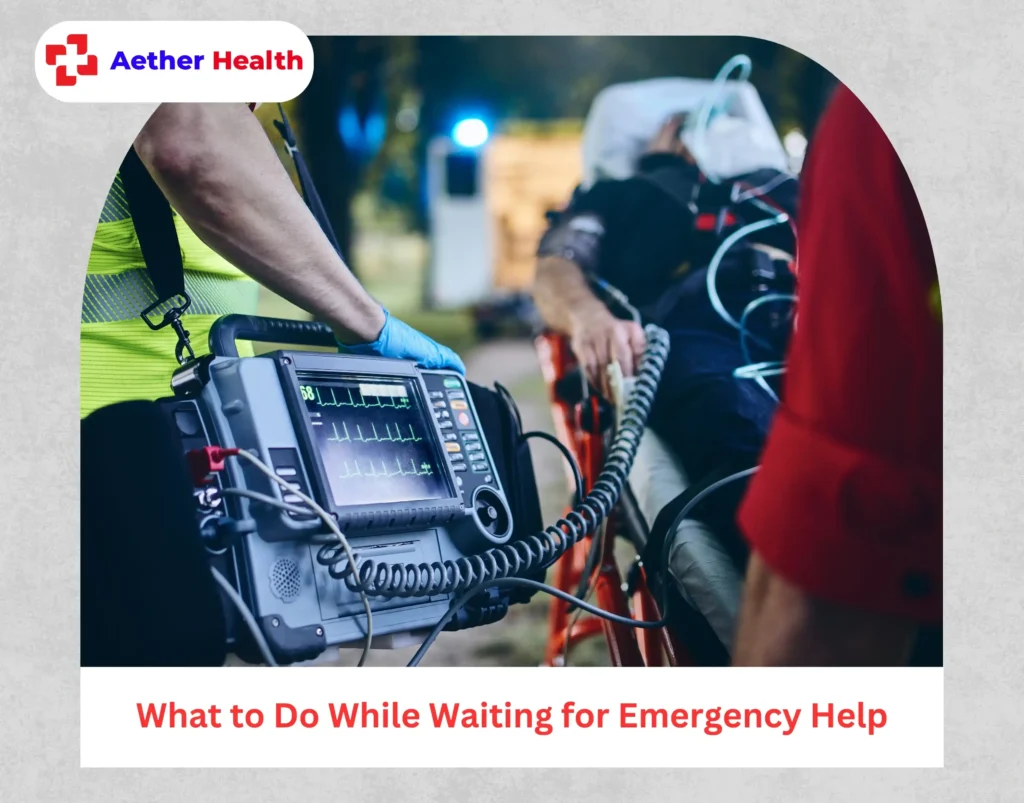
When emergency services have been called, several actions can help manage the situation until professional help arrives:
- Position for Comfort: Help the person find a comfortable position, usually sitting upright or leaning slightly forward. Avoid lying flat, which can worsen breathing difficulties.
- Loosen Restrictive Clothing: Remove tight clothing around the neck, chest, or waist to facilitate easier breathing.
- Provide Reassurance: Stay calm and provide emotional support. Anxiety can worsen breathing difficulties, so maintaining a calm environment is important.
- Monitor Vital Signs: If possible, keep track of breathing rate, pulse, and level of consciousness to report to emergency responders.
- Gather Medical Information: Collect relevant medical history, current medications, and information about recent symptoms to provide to emergency personnel.
- Avoid Common Mistakes: Don’t give food or water, as the person may need emergency procedures. Don’t leave the person alone, and avoid giving medications unless specifically prescribed for the current situation.
When in Doubt, Seek Help
Recognizing when shortness of breath is an emergency can save your life. Sudden, severe, or persistent breathing difficulties require immediate medical attention, especially with chest pain, confusion, or blue discoloration.
Don’t wait when symptoms strike. Call emergency services immediately to prevent life-threatening complications.
Aether Health emergency rooms provide rapid oxygen support, immediate cardiac care, and advanced diagnostics to ensure you receive life-saving treatment without delay.
FAQs
When should you go to the ER with shortness of breath?
Go to the ER immediately if your shortness of breath is sudden, severe, getting worse, or accompanied by chest pain, bluish lips or face, confusion, fainting, or inability to speak in full sentences. These may signal life-threatening conditions that need urgent care.
How do I know if shortness of breath is serious?
Shortness of breath is serious if it occurs without exertion, worsens quickly, interrupts daily activities, or comes with other symptoms like dizziness, swelling, chest discomfort, or rapid heart rate. It’s always safer to get evaluated when symptoms seem unusual or intense.
How long is too long for shortness of breath?
If shortness of breath lasts more than a few minutes at rest or continues for hours despite rest and medication (in chronic cases), it should be evaluated by a medical professional. Persistent symptoms can indicate underlying heart, lung, or circulatory issues.
How do you know if shortness of breath is an emergency?
It’s an emergency if you experience sudden breathlessness, especially with chest pain, blue or gray skin, confusion, rapid heartbeat, or loss of consciousness. These signs suggest your body isn’t getting enough oxygen and immediate medical help is required.
How to know if shortness of breath is heart-related?
Heart-related shortness of breath often worsens when lying flat, occurs during minimal activity, and may be accompanied by chest pressure, leg swelling, or fatigue. Conditions like heart failure or heart attack commonly cause this pattern and require prompt diagnosis.