
Reviewed by the emergency care team at Aether Health ER | Spring Cypress, Kingwood, and SilverLake (Pearland), TX | +1 (713) 528-8703
| Call 911 immediately: If your ankle looks visibly deformed, a bone is visible through the skin, the foot is cold or blue, you cannot feel your toes, or you experienced a severe accident with head or neck injury, call 911 now. Aether Health ER is open 24/7 with three freestanding emergency room locations across Greater Houston: Spring Cypress, Kingwood, and SilverLake (Pearland). |
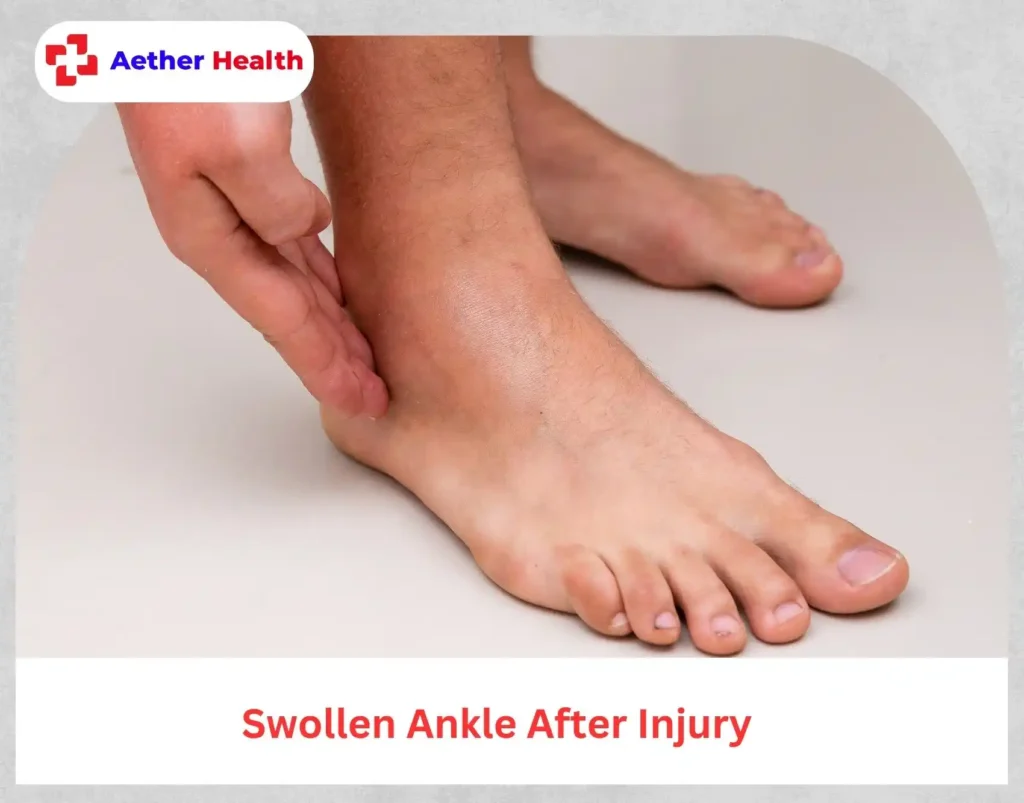
A twisted ankle, a wrong step, a bad landing during a game. Within minutes, your ankle balloons up and every step becomes painful.
Reducing swelling in the first 24 to 48 hours is one of the most important things you can do. It helps limit pain, prevents further tissue damage, and speeds up your recovery.
This guide covers seven practical ways to reduce ankle swelling, what to avoid, and the warning signs that mean it’s time for a professional evaluation at Aether Health ER, a 24/7 freestanding emergency room with three Greater Houston locations.
Quick Answer: How Do You Reduce Swelling in an Ankle Injury?
The most reliable way to reduce ankle swelling is to combine four principles right after the injury: rest, ice, compression, and elevation (the R.I.C.E. method).
Ice for 15 to 20 minutes at a time. Elevate the ankle above the level of your heart. Wrap it snugly (not tightly) for gentle compression. Rest and avoid weight-bearing until you can be evaluated.
If swelling is severe, if you can’t put any weight on the foot, if bruising spreads quickly, or if the ankle looks deformed, get to the ER right away for imaging and evaluation.
7 Ways to Reduce Ankle Swelling at a Glance
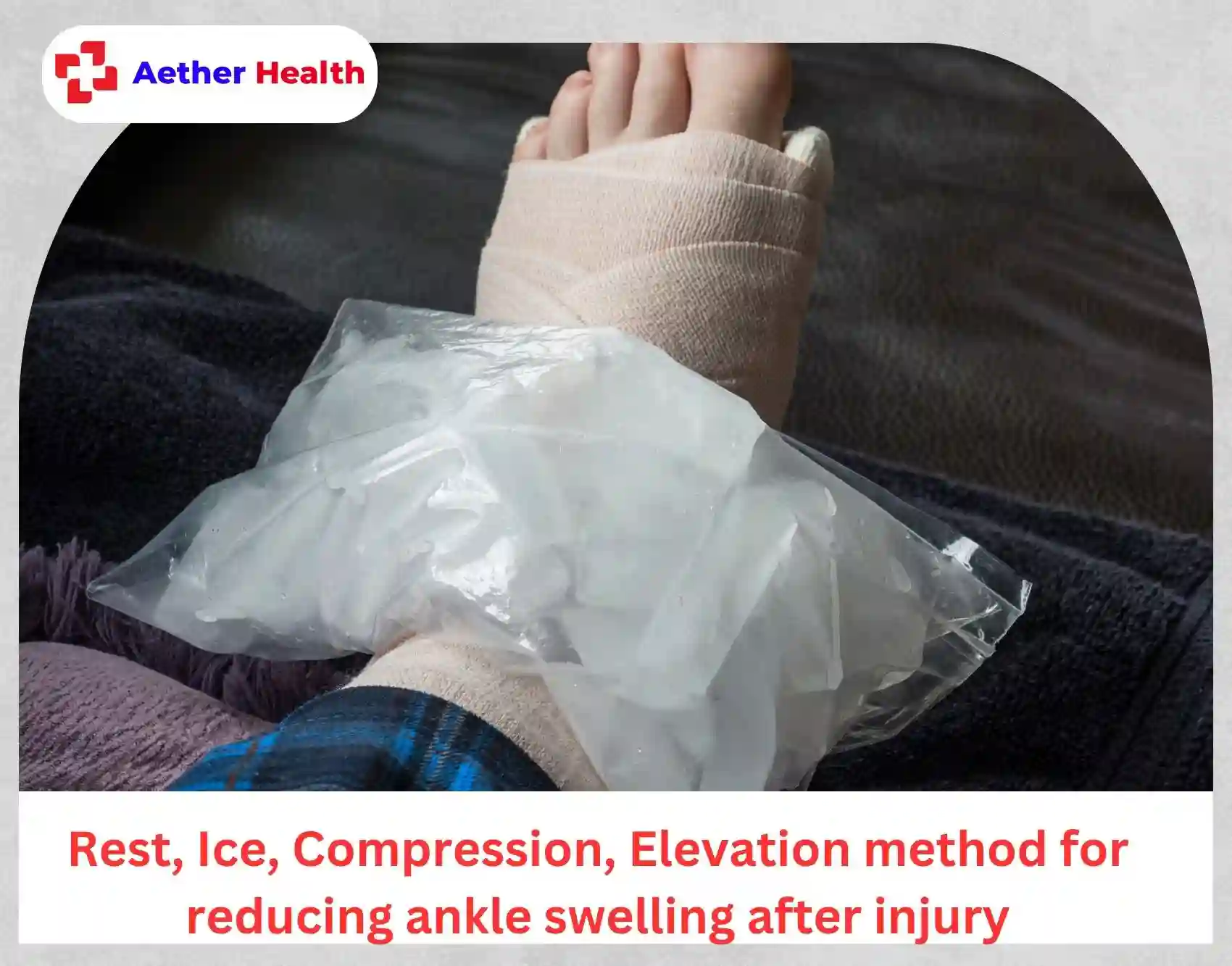
Each of these approaches targets swelling in a different way. Combining them gives the fastest, safest results in the first 24 to 48 hours after injury.
| # | Method | Why It Works |
| 1 | Rest | Reduces further tissue damage and gives the injury time to stabilize |
| 2 | Ice | Cold constricts blood vessels and slows inflammation |
| 3 | Compression | An elastic wrap gently limits fluid buildup in tissues |
| 4 | Elevation | Raising the ankle above heart level uses gravity to drain fluid |
| 5 | Hydration | Adequate fluids support circulation and tissue repair |
| 6 | Gentle movement | After the first 48 hours, controlled motion helps drain lymphatic fluid |
| 7 | Professional evaluation | Rules out fractures and identifies severity-appropriate care |
The first four (R.I.C.E.) are the most important in the first 24 to 48 hours. The remaining three support ongoing recovery and prevent complications.
The 7 Tips in Detail
1. Rest the Ankle
Avoid putting weight on the injured ankle. Every step causes more inflammation and can worsen the ligament damage.
Use crutches, a walking boot, or simply stay off the foot for the first 24 to 48 hours. Rest is the foundation of recovery.
2. Apply Cold Therapy
Wrap ice or a cold pack in a thin towel and apply to the ankle for 15 to 20 minutes at a time.
Never apply ice directly to the skin. Repeat every 2 to 3 hours during the first 48 hours after the injury.
3. Use Gentle Compression
Wrap the ankle with an elastic bandage starting from the toes and working up the calf. The wrap should feel snug but never tight enough to cut off circulation.
If your toes turn blue, tingle, or feel numb, loosen the wrap immediately.
4. Elevate the Ankle Above Heart Level
Lie down and prop the injured foot up on pillows so it sits above the level of your heart.
Gravity draws fluid away from the injury site. Keep the ankle elevated as much as possible during the first 48 hours.
5. Stay Hydrated
Adequate fluid intake supports circulation and helps the body process the inflammation.
Dehydration can slow healing and make swelling feel worse. Aim for consistent water intake throughout the day.
6. Gentle Movement After 48 Hours
Once initial swelling starts to ease, gentle ankle circles and light range-of-motion exercises help drain lymphatic fluid.
Move within pain-free limits only. Never force motion that hurts, and stop immediately if pain sharpens.
7. Seek Professional Evaluation
This is the tip most people skip and later regret. Even if the injury feels manageable, a proper evaluation rules out fractures and identifies whether the ligaments are simply stretched or actually torn.
A missed fracture can lead to chronic instability, arthritis, or repeat injury. Learn more about our trauma and injury emergency services for same-visit imaging and diagnosis.
What to Avoid When Reducing Ankle Swelling
Some common instincts actually make ankle swelling worse. Steer clear of these mistakes in the first 48 to 72 hours.
- Heat: Hot baths, heating pads, or hot showers over the injury increase blood flow and worsen swelling.
- Alcohol: Alcohol widens blood vessels and can dramatically increase swelling and inflammation.
- Intense activity: Vigorous running, jumping, or twisting movements before proper healing sets you up for repeat injury.
- Deep tissue massage: Massage during acute swelling can push fluid deeper into tissues.
- Overtight wraps: Wraps that are too tight cut off circulation and cause more harm than good.
- Ignoring the injury: The longer the swelling sits, the harder it is to reduce and the longer the recovery.
- Icing too long: Prolonged icing (over 20 minutes at a time) can cause skin damage and slow tissue healing.
| A common misstep: Many people try to “walk it off.” With an ankle injury, this often turns a mild sprain into a moderate or severe one. Rest the ankle from the moment you feel it. |
Understanding Ankle Injury Severity
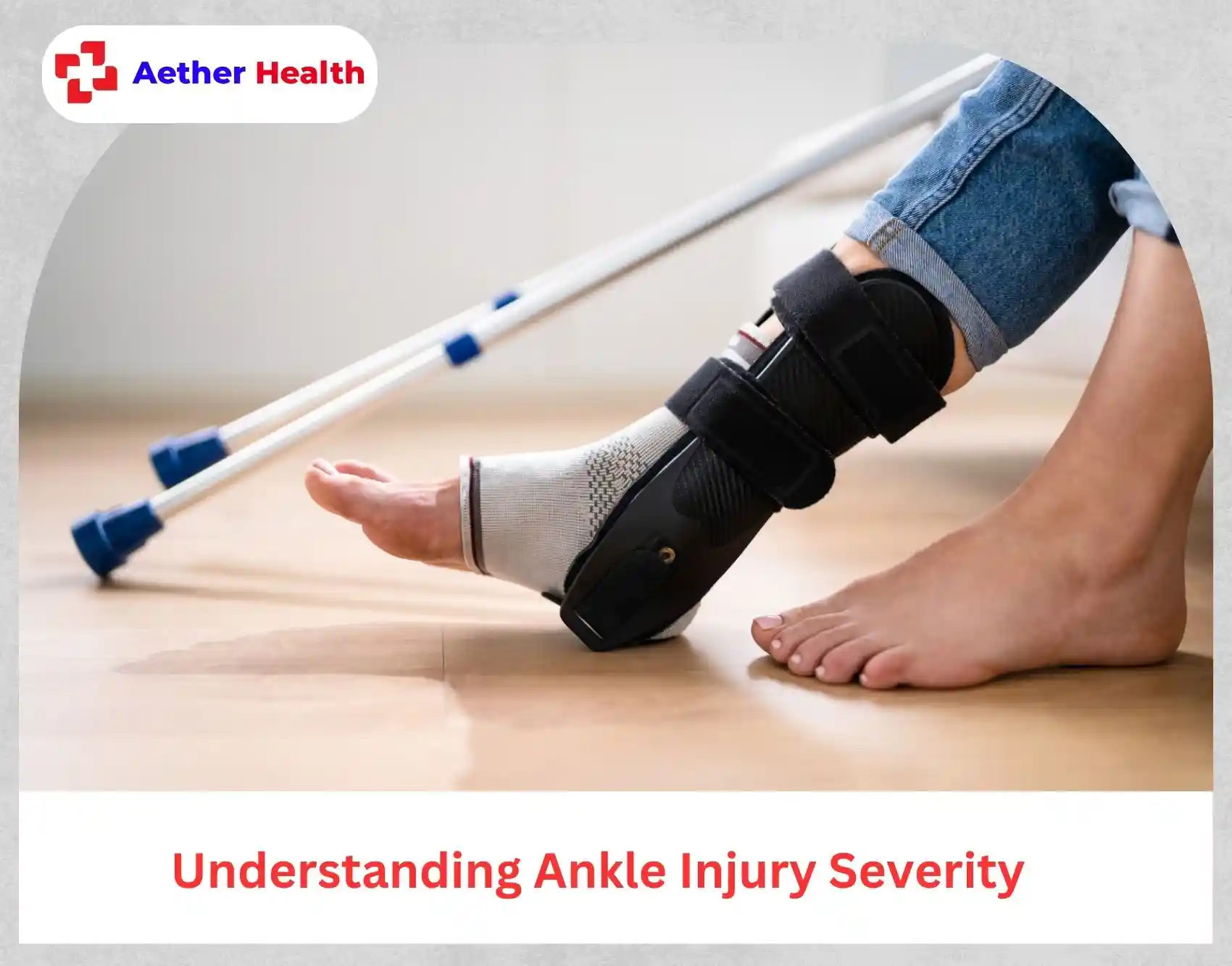
Not every ankle injury needs the ER, but not every one heals with home care either. Understanding severity helps you pick the right response quickly.
| Grade | Signs | Weight-Bearing | Recovery Time |
| Grade 1 (Mild) | Slight stretch of ligament, mild swelling, minor bruising | Possible with some discomfort | 1–3 weeks |
| Grade 2 (Moderate) | Partial ligament tear, significant swelling and bruising | Painful, limited | 3–6 weeks |
| Grade 3 (Severe) | Complete ligament tear, severe swelling and bruising, joint instability | Not possible | 6–12 weeks or longer |
| Possible Fracture | Deformity, bone pain, cracking sound at injury, severe swelling | Impossible | Needs ER imaging |
Home care handles most Grade 1 sprains. Anything Grade 2 or worse, or any suspected fracture, needs professional evaluation. Our related guide on how long an ankle injury takes to heal walks through recovery expectations for each grade.
Sprain vs. Fracture: Signs You Can’t Ignore
Sprains and fractures can look identical to the untrained eye, especially in the first hour. Certain signs strongly point toward a fracture and demand imaging.
Signs That Suggest a Fracture (Not Just a Sprain)
- A cracking, popping, or snapping sound at the moment of injury.
- Immediate, severe pain that doesn’t ease with rest and ice.
- Visible deformity of the ankle or foot.
- Bone tenderness when you press on the knobby bones on either side of the ankle.
- Complete inability to bear any weight, even for a step or two.
- Numbness or tingling in the foot or toes.
- Foot that feels cold, appears blue, or has weak pulses.
- Swelling that expands very rapidly within minutes.
A useful rule from emergency medicine (called the Ottawa Ankle Rules): if you can’t take at least four steps immediately after the injury or when you’re being evaluated, an X-ray is warranted.
When Ankle Swelling Requires Emergency Care
Most ankle sprains can be managed with proper home care. Certain situations always require immediate ER evaluation. Get to the ER right away if any of the following apply.
Go to the ER Immediately If You Have:
- Any visible deformity of the ankle or foot.
- Bone showing through the skin (open fracture).
- Inability to bear any weight on the foot.
- Severe pain that doesn’t ease with rest and elevation.
- A cold, blue, or pale foot with weak pulses.
- Numbness or tingling in the foot or toes.
- Swelling that continues to grow rapidly after 24 hours.
- Signs of infection: warmth spreading up the leg, red streaks, fever.
- Ankle injury after a serious fall or motor vehicle accident.
- A crack or pop heard at the moment of injury with severe pain.
- A prior history of ankle fractures or instability with new injury.
- Blood thinner use with significant swelling or bruising.
- Diabetes or vascular disease with any ankle injury.
- Injury in a child that prevents weight-bearing.
| Get imaging fast: Aether Health ER has on-site X-ray and imaging, board-certified emergency physicians, and same-visit diagnosis. Call +1 (713) 528-8703 or walk into any of our three Greater Houston locations. |
Who Is Most at Risk for Serious Ankle Injuries?
Certain groups face a higher risk of a simple ankle sprain becoming a serious injury. If you’re in one of these categories, seek evaluation sooner rather than later.
- History of ankle instability: Recurrent ankle injuries increase the chance of ligament damage or hidden fracture.
- Older adults: Osteoporosis and thinning bones raise fracture risk after even minor falls.
- People with diabetes: Reduced sensation can mask injury severity, and healing is slower.
- Athletes: Higher injury impact increases fracture and ligament tear risk.
- Children: Their growth plates are more vulnerable and fractures may be missed.
- People on blood thinners: Bruising and internal bleeding can be significant even with minor injuries.
- People with vascular disease: Poor circulation can slow healing and mask complications.
- Overweight individuals: Body weight puts extra stress on healing tissues.
How Aether Health ER Evaluates Ankle Injuries
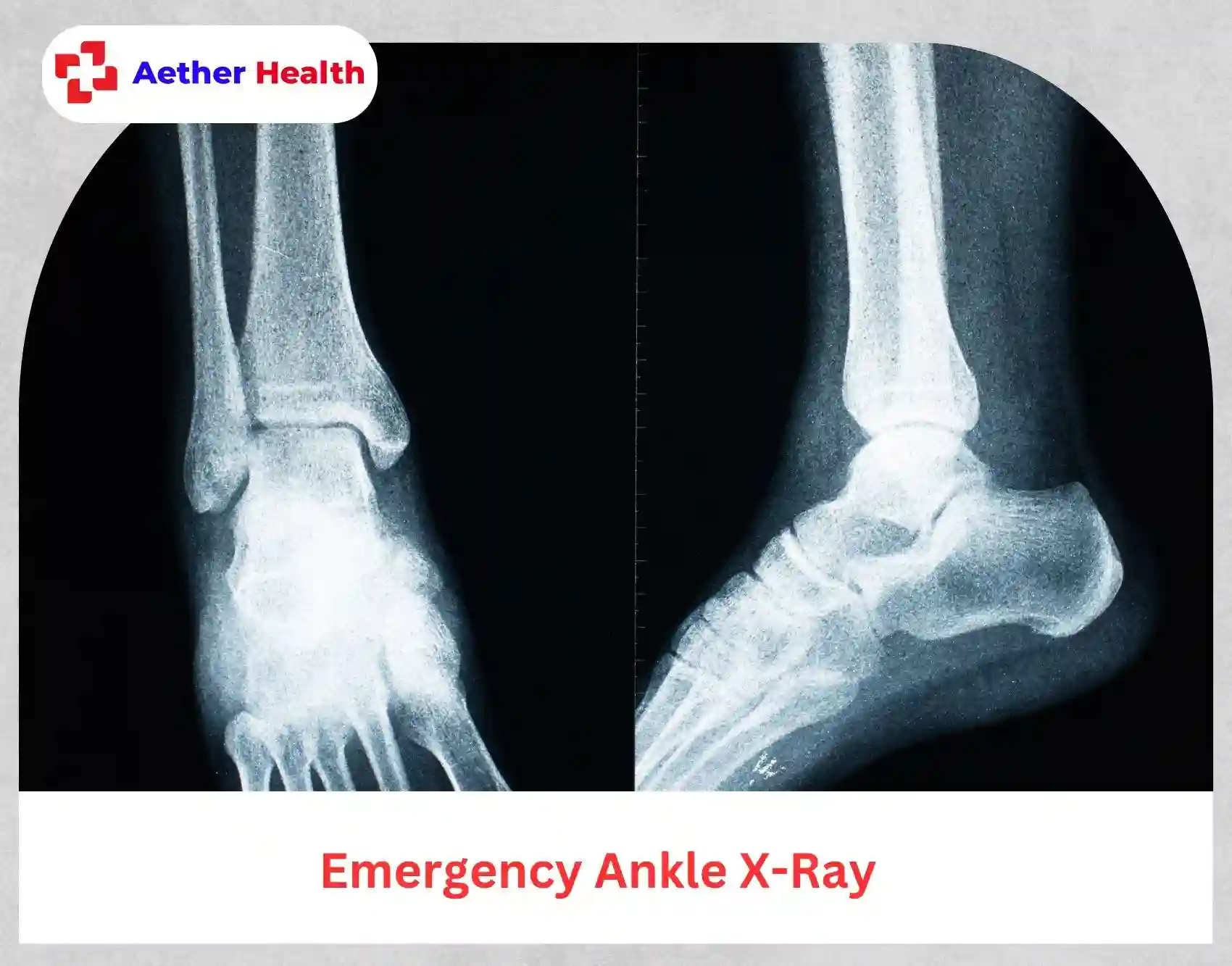
When you walk in with an ankle injury, our team is ready to determine whether it’s a sprain, fracture, or something more complex. Here’s what to expect from our 24/7 emergency care:
- Rapid triage: Board-certified emergency physicians assess the injury within minutes of arrival.
- On-site imaging: Same-visit X-rays to identify or rule out fractures.
- Comprehensive examination: Ligament testing, joint stability checks, and neurovascular assessment.
- Splinting and stabilization: Reduction of dislocations, splinting, and bracing performed on-site when appropriate.
- Orthopedic referral: Direct coordination when specialist care or surgery is needed.
- Recovery planning: Clear guidance on immobilization, weight-bearing, and next steps.
- Hospital coordination: Direct hospital transfer when admission is needed, coordinated by our team.
- Transparent pricing: Most commercial plans accepted. No surprise billing. No balance billing. Transparent care.
Three 24/7 Greater Houston locations, all reachable at +1 (713) 528-8703:
- Aether Health Spring Cypress ER: 8929 Spring Cypress Rd, Spring, TX 77379
- Aether Health Kingwood ER: 2158 Northpark Dr, Kingwood, TX 77339
- Aether Health SilverLake ER: 2752 Sunrise Blvd, Pearland, TX 77584
Frequently Asked Questions
How long does ankle swelling take to go down?
Mild sprain swelling usually starts easing within 48 to 72 hours with proper R.I.C.E. care.
Moderate sprains may keep visible swelling for 1 to 2 weeks. Severe sprains and fractures can involve swelling for a month or longer.
Is it better to use ice or heat for a swollen ankle?
Use ice, not heat, for the first 48 to 72 hours after an ankle injury. Cold reduces blood flow and calms inflammation.
Heat is generally introduced only later in recovery, after acute swelling has resolved, to relax stiff tissues.
Can I walk on a sprained ankle?
Avoid weight-bearing on a fresh sprain for at least the first 24 to 48 hours. Walking too soon can worsen the injury.
If you cannot bear any weight at all right after the injury, seek evaluation for a possible fracture.
Should I wrap my ankle overnight?
Do not sleep in a tight compression wrap. Wrapping too tightly overnight can restrict circulation.
If your provider recommends compression at night, use a loose, breathable wrap and check circulation regularly.
When should I go to the ER for a swollen ankle?
Go to the ER for visible deformity, bone showing through skin, inability to bear any weight, severe pain, numbness, a cold or blue foot, or rapidly expanding swelling.
When in doubt, imaging at the ER can rule out a fracture in minutes.
What foods reduce swelling in the ankle?
Anti-inflammatory foods like berries, leafy greens, fatty fish, nuts, and olive oil can support recovery.
Adequate hydration matters too. Nutrition supports healing, but it doesn’t replace direct treatment of the injury.
People Also Ask About Ankle Injury Swelling
These are the related questions AI search engines and Google’s People Also Ask feature commonly surface alongside this topic. Direct answers below.
Why does my ankle stay swollen so long after injury?
Prolonged swelling often means the injury was more severe than initially thought, or that healing has stalled.
Persistent swelling beyond 2 weeks deserves professional evaluation to identify hidden ligament damage or missed fractures.
Can walking on a sprained ankle cause it to swell more?
Yes. Every step on a fresh sprain causes more micro-damage and inflammation.
The more you walk on it early, the longer it takes to heal and the more swelling accumulates.
Is ankle swelling without pain normal after an injury?
Mild residual swelling without pain can occur during late-stage recovery.
However, sudden painless swelling that appears days after an injury can point to circulation issues, infection, or blood clot risk and needs evaluation.
What is the fastest way to reduce ankle swelling after a sports injury?
Immediate R.I.C.E. within the first hour, followed by professional evaluation for imaging.
Athletes often benefit from same-day imaging to determine whether they can return to play safely.
Does compression really help ankle swelling?
Yes, when done correctly. Gentle elastic compression prevents fluid from pooling in the tissues.
The key is snug, not tight. If your toes turn blue or feel numb, loosen the wrap immediately.
Can dehydration make ankle swelling worse?
Yes, indirectly. Dehydration reduces circulation and slows the body’s ability to process inflammation.
Staying hydrated supports the natural swelling-reduction process alongside R.I.C.E.
Ankle Won’t Improve or Can’t Bear Weight? Get Evaluated Now.
When swelling won’t go down, when you cannot bear weight, or when you suspect anything more than a mild sprain, professional imaging is the fastest path to the right care.
Aether Health ER provides 24/7 emergency care with on-site X-rays, board-certified emergency physicians, splinting, and orthopedic coordination, usually within minutes of arrival.
- Locations: Three 24/7 locations across Greater Houston
- Spring Cypress – 8929 Spring Cypress Rd, Spring, TX 77379
- Kingwood – 2158 Northpark Dr, Kingwood, TX 77339
- SilverLake – 2752 Sunrise Blvd, Pearland, TX 77584
- Phone: +1 (713) 528-8703
- Hours: Open 24 hours, every day of the year
- Insurance: Most commercial plans accepted. No surprise billing.
| Call 911 now if life-threatening: For an ankle injury with visible deformity, bone through the skin, a cold or blue foot, or after a serious accident, call 911. For urgent but non-life-threatening ankle concerns, call Aether Health ER at +1 (713) 528-8703 or come to any of our three Greater Houston locations. |