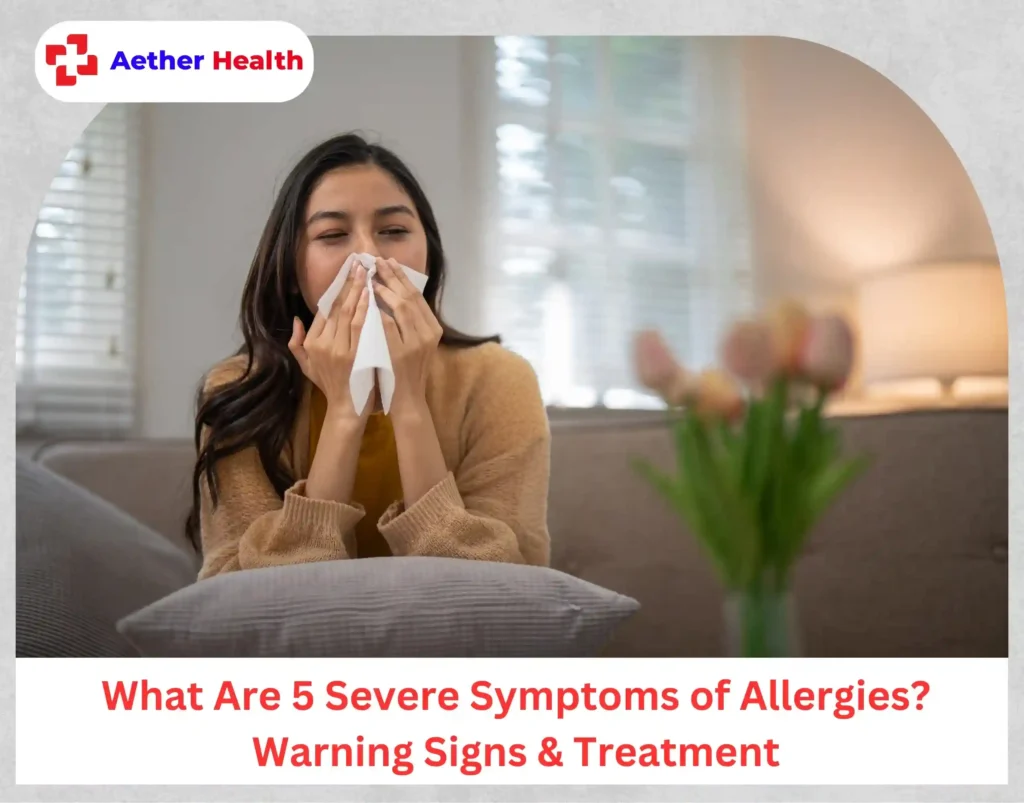
A bee sting, an unexpected ingredient in a meal, a new medication — sometimes an allergic reaction stays mild, but other times it escalates into a life-threatening emergency within minutes. Knowing what severe allergy symptoms look like can mean the difference between calmly using an EpiPen and getting to the ER in time — or facing a tragic outcome. Severe allergic reactions kill an estimated 200 Americans each year, and most could have been prevented with faster recognition and treatment.
In this guide, the board-certified emergency team at Aether Health ER walks you through the 5 most severe allergy symptoms, the triggers behind them, and exactly what to do if you or someone near you starts showing warning signs.
With three 24/7 freestanding ER locations across Greater Houston — and no surprise billing, no balance billing, ever — we’re here when an allergic reaction crosses the line from uncomfortable to dangerous.
Quick Answer: The 5 Most Severe Allergy Symptoms
Here are the 5 severe allergy symptoms that signal a medical emergency:
- Difficulty breathing or wheezing
- Swelling of the face, lips, tongue, or throat
- Widespread hives or severe skin reactions
- Dizziness, fainting, or a drop in blood pressure
- Anaphylaxis — a life-threatening whole-body reaction
If you notice any of these symptoms — especially more than one at the same time — use an epinephrine auto-injector if available and call 911 or get to an emergency room immediately. Severe allergic reactions can progress from mild to fatal in 15 minutes or less.
Severe Symptom #1: Difficulty Breathing or Wheezing
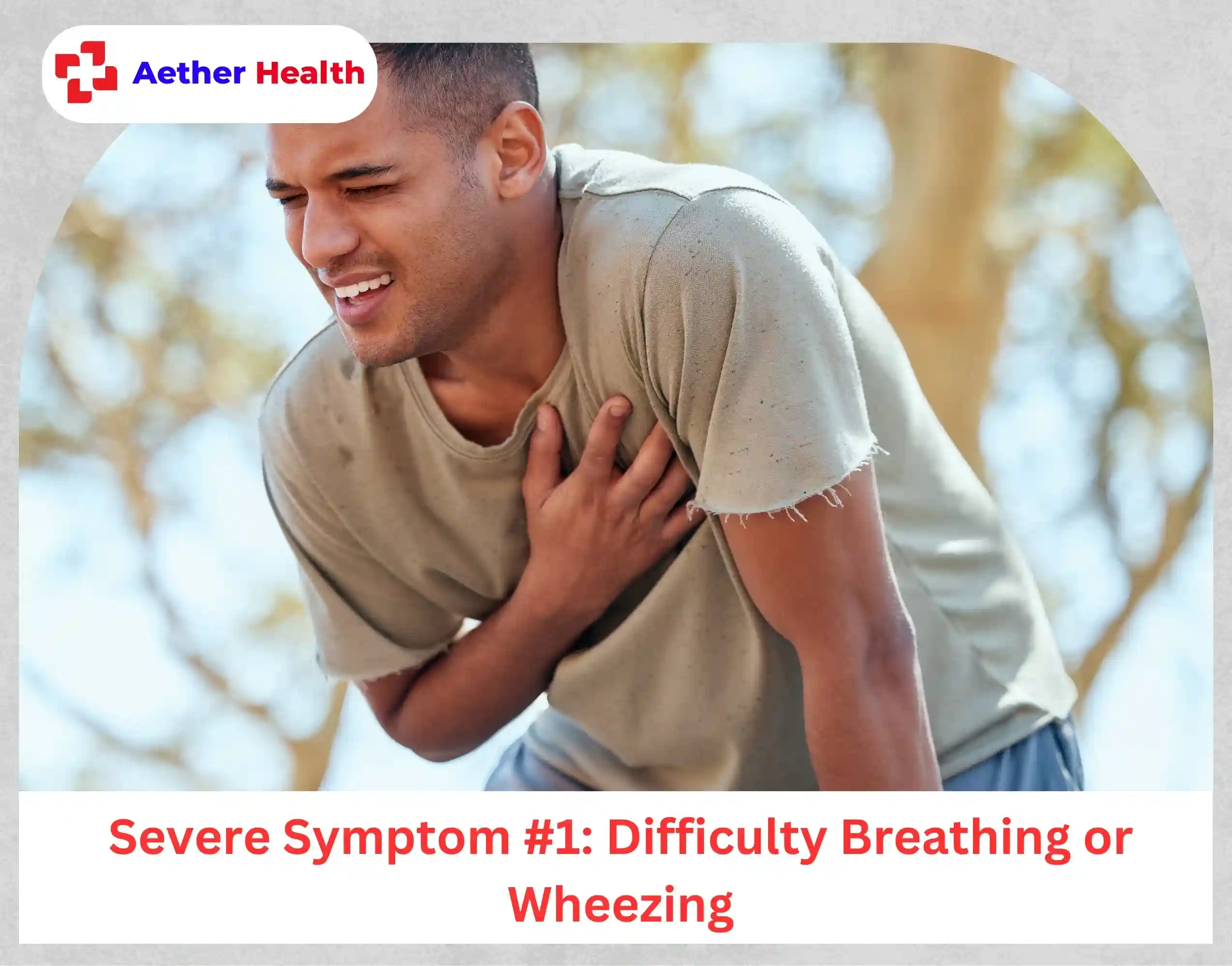
Breathing problems are among the most dangerous signs of a severe allergic reaction. When the body releases massive amounts of histamine, the airways can tighten and swell — making it harder to move air in and out of the lungs.
What It Looks and Feels Like
- Whistling or high-pitched sound when breathing (wheezing)
- Shortness of breath, even at rest
- Chest tightness or feeling like you can’t take a full breath
- Rapid, shallow breathing
- Coughing that won’t stop
- Bluish color around the lips or fingertips (cyanosis)
- Using neck and chest muscles visibly to breathe
Why It’s Dangerous
Severe airway narrowing can completely block air movement to the lungs within minutes. Asthma and pre-existing respiratory conditions dramatically raise the risk. This symptom should always be treated as an emergency.
Severe Symptom #2: Swelling of the Face, Lips, Tongue, or Throat
Called angioedema, this kind of swelling is a hallmark of severe allergic reactions. Unlike ordinary swelling, it develops within minutes and can affect the airway directly.
What It Looks Like
- Puffy or swollen lips, sometimes severely distorted
- Eyelids so swollen they limit vision
- Tongue that feels too large for the mouth or makes speech difficult
- Throat tightness or a feeling like something is stuck
- Difficulty swallowing or drooling because of throat swelling
- Voice changes — hoarseness, raspy speech, or loss of voice
- Visible swelling that spreads quickly across the face or neck
Why It’s Dangerous
Tongue and throat swelling can block the airway. Even when swelling looks like it’s only on the lips or face, it can progress to the throat within minutes. Any allergic swelling near the airway is a medical emergency.
Severe Symptom #3: Widespread Hives or Severe Skin Reactions
Hives (urticaria) can be a mild allergy symptom — but when they’re widespread, intensely itchy, or paired with other reactions, they signal a serious systemic response.
What It Looks Like
- Raised red or pale welts that appear and spread quickly
- Hives covering large portions of the body, not just one area
- Intense itching across multiple regions
- Flushing or red blotching of the skin
- Burning, tingling, or warmth across the skin
- Skin reactions that worsen rapidly rather than fade
- Rashes that develop within minutes of allergen exposure
Why It’s Dangerous
Widespread hives indicate that the allergic response has become systemic — affecting the whole body, not just one area. They’re one of the earliest visible signs that anaphylaxis may be developing. Hives combined with breathing difficulty, swelling, or dizziness require emergency care immediately.
Severe Symptom #4: Dizziness, Fainting, or a Drop in Blood Pressure
In severe allergic reactions, blood vessels dilate dramatically and fluid leaks into surrounding tissues. This causes blood pressure to plummet — a dangerous condition called distributive shock.
What It Looks and Feels Like
- Sudden dizziness or lightheadedness, especially when standing
- Feeling faint, weak, or like you might pass out
- Actual loss of consciousness (fainting)
- Pale, cool, or clammy skin
- Rapid or weak pulse
- Confusion or difficulty staying alert
- Sudden sense of doom or extreme anxiety
- Nausea or vomiting alongside dizziness
Why It’s Dangerous
A sudden blood pressure drop deprives the brain, heart, and other vital organs of oxygen. Without rapid treatment with epinephrine and IV fluids, this can lead to organ damage or cardiac arrest. Fainting or near-fainting during an allergic reaction is always an emergency.
Severe Symptom #5: Anaphylaxis (Life-Threatening Whole-Body Reaction)
Anaphylaxis is the most severe allergic reaction — and it combines several of the other symptoms above into one rapidly progressing emergency. It can be fatal within minutes if not treated immediately with epinephrine.
What It Looks Like
- Multiple body systems affected at once — skin, breathing, circulation, gut
- Rapid onset, usually within minutes of exposure to the trigger
- Hives plus difficulty breathing
- Swelling plus dizziness
- Severe abdominal cramping, vomiting, or diarrhea
- Sense of impending doom
- Loss of consciousness
- Cardiac arrest in the most severe cases
Why It’s a Medical Emergency
Anaphylaxis represents the body’s immune system in full crisis mode. Every second matters. The single most important treatment is intramuscular epinephrine — ideally administered before symptoms peak. Anyone with a history of anaphylaxis should carry an epinephrine auto-injector (EpiPen, Auvi-Q) at all times.
Common Triggers Behind Severe Allergic Reactions
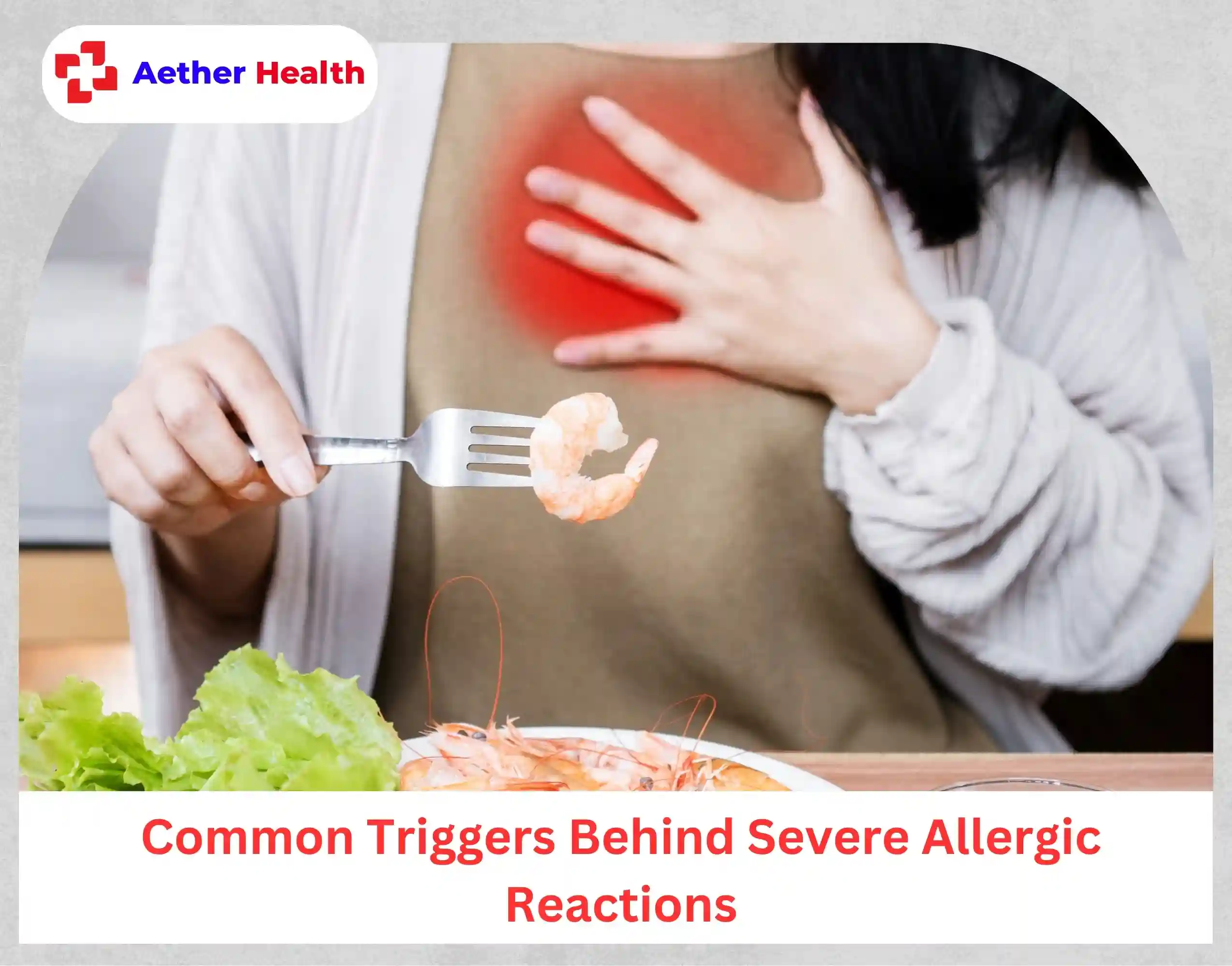
Knowing what’s most likely to cause a severe reaction helps you avoid triggers and respond faster if exposure happens.
Food Allergens
- The top 9 food allergens — peanuts, tree nuts, milk, eggs, wheat, soy, fish, shellfish, and sesame — account for the majority of severe food-related reactions in the U.S.
- Hidden ingredients in restaurant meals and processed foods are common culprits
Insect Stings
- Bee, wasp, hornet, yellow jacket, and fire ant stings (particularly common in Texas) are among the leading causes of anaphylaxis
- People with previous mild reactions to stings are at higher risk for severe reactions on subsequent stings
Medications
- Penicillin and other antibiotics
- NSAIDs (aspirin, ibuprofen, naproxen)
- Contrast dye used in imaging studies
- Anesthetics and certain chemotherapy drugs
Latex
- Latex gloves, balloons, bandages, and certain medical devices can trigger severe reactions in sensitized individuals
Other Triggers
- Exercise (in rare cases of exercise-induced anaphylaxis, often combined with eating certain foods)
- Cold air or water (cold urticaria)
- Unknown triggers (idiopathic anaphylaxis)
Emergency Treatment for Severe Allergy Symptoms
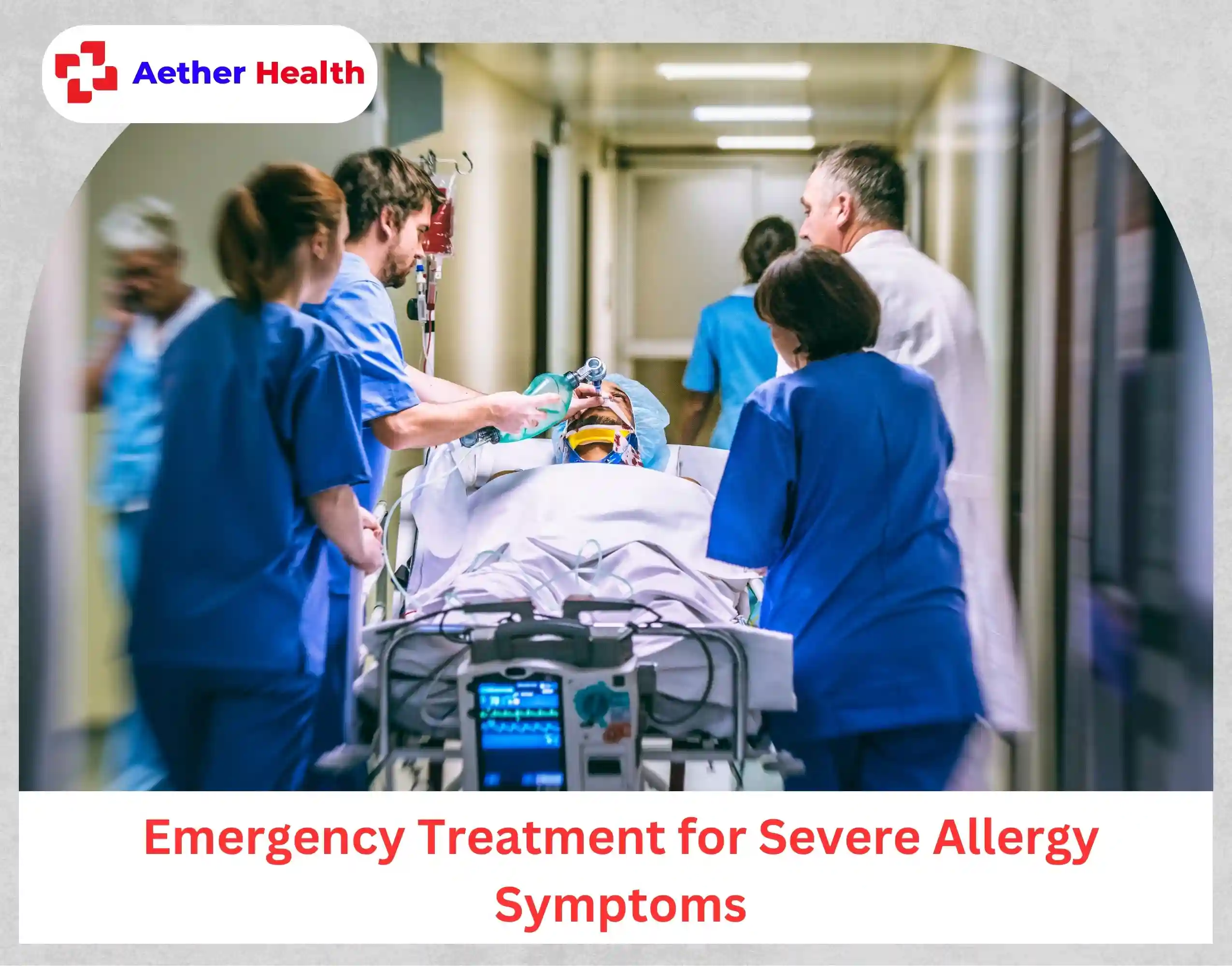
Acting quickly during a severe allergic reaction can save a life. Here’s exactly what to do:
Step 1 — Use an Epinephrine Auto-Injector Immediately
If you or the affected person has an EpiPen, Auvi-Q, or other epinephrine auto-injector, use it immediately. Inject into the outer thigh — through clothing if needed — and hold for 3 seconds. Don’t wait to see if symptoms improve on their own. Epinephrine is the single most effective treatment for anaphylaxis.
Step 2 — Call 911
Call 911 even after using epinephrine. Symptoms can return after the medication wears off, and additional treatment is needed. Tell the dispatcher it’s a severe allergic reaction.
Step 3 — Position the Person Correctly
Have them lie flat on their back with legs elevated to improve blood flow. If they’re vomiting or having trouble breathing, position them on their side or sit them upright. Don’t let them stand up suddenly — this can worsen blood pressure drops.
Step 4 — Be Prepared to Give a Second Dose
If symptoms don’t improve within 5–15 minutes and a second auto-injector is available, give another dose. Many severe reactions require more than one dose of epinephrine.
Step 5 — Get to the ER Even If Symptoms Improve
Up to 20% of severe allergic reactions return hours after the initial response (called a biphasic reaction). Anyone who’s received epinephrine needs ER observation, typically for 4–6 hours minimum.
When to Call 911 vs. Go Directly to the ER
Call 911 if:
- The person is unconscious or unresponsive
- They have severe difficulty breathing or are turning blue
- They’ve collapsed or had a seizure
- They’ve used an epinephrine auto-injector
- They have multiple severe symptoms occurring at once
- You are alone with them and can’t safely drive while monitoring
Drive directly to a freestanding ER like Aether Health if:
- Symptoms are escalating but not yet life-threatening
- The person is alert, breathing well, and someone else can drive
- Mild swelling, isolated hives, or moderate symptoms are present
- You’re close to an ER and need rapid evaluation
When in doubt, call 911. Paramedics carry epinephrine and can begin treatment in the ambulance — critical for the most severe cases.
How Aether Health ER Treats Severe Allergic Reactions in Texas
When you arrive at any Aether Health ER with severe allergy symptoms, here’s what to expect:
- Immediate epinephrine and IV treatment: Immediate triage and rapid administration of epinephrine, IV antihistamines, and IV corticosteroids as needed
- Airway and circulation support: Continuous vital sign monitoring and airway support — with intubation capability if needed
- Expert physician care: Board-certified emergency physicians on-site 24/7 — not nurse practitioners or PAs alone
- Observation for biphasic reactions: Standard 4–6 hour observation to catch biphasic (delayed return) reactions
- Specialist coordination: If admission or specialist consultation is needed, we coordinate transfers and referrals directly
- Shorter wait times: Most patients are seen within minutes — not hours like a hospital ER
- No surprise billing, no balance billing: Transparent pricing. We accept most major PPO insurance. No surprise billing. No balance billing.
Our three Texas locations are open 24/7, 365 days a year. Call us anytime at +1 (713) 528-8703.
- Aether Health Spring Cypress ER — 8929 Spring Cypress Rd, Spring, TX 77379
- Aether Health Kingwood ER — 2158 Northpark Dr, Kingwood, TX 77339
- Aether Health SilverLake ER — 2752 Sunrise Blvd, Pearland, TX 77584
Frequently Asked Questions
How fast can a severe allergic reaction become dangerous?
Severe allergic reactions can progress from mild symptoms to life-threatening anaphylaxis within 5–30 minutes — sometimes faster. This is why early recognition and immediate treatment with epinephrine are so critical.
Can a mild allergy suddenly become severe?
Yes. Someone who’s had only mild reactions in the past can experience anaphylaxis on a future exposure. Each subsequent exposure to an allergen carries risk. Anyone with a known allergy should ask their doctor whether they need an epinephrine auto-injector.
How do I know if I’m having anaphylaxis vs. a regular allergic reaction?
Regular reactions usually affect one area or one system (just hives, just sneezing, or just stomach upset). Anaphylaxis involves two or more body systems at once — like hives plus breathing trouble, or swelling plus dizziness. If multiple systems are affected, treat it as anaphylaxis.
Should I use my EpiPen even if I’m not sure it’s anaphylaxis?
Yes. Epinephrine is very safe and using it when you don’t strictly need it is far less dangerous than delaying when you do. If you have severe symptoms and an auto-injector available, use it. Then call 911 and head to the ER.
Should I go to urgent care or the ER for severe allergy symptoms?
Severe allergic reactions — difficulty breathing, swelling near the airway, widespread hives with other symptoms, dizziness, or signs of anaphylaxis — always require an emergency room. Urgent care lacks IV epinephrine, airway management equipment, and the monitoring needed for biphasic reactions. Go to a freestanding ER like Aether Health for fast, full-service emergency care.
Severe Allergic Reaction Happening? Get Emergency Care Now.
If you or someone with you is showing any of the 5 severe allergy symptoms — breathing trouble, swelling near the airway, widespread hives, dizziness, or signs of anaphylaxis — use an epinephrine auto-injector if available, call 911, or get to your nearest Aether Health ER immediately. We’re open 24/7, every day of the year, with no surprise billing and no balance billing.
Call us anytime: +1 (713) 528-8703
Check in online: https://aetherhealth.org/check-in/
Find your nearest location: https://aetherhealth.org/locations/