

Abdominal pain is one of the most common health complaints and can range from mild discomfort to sharp pain that interferes with daily life. It may come on suddenly or develop gradually, and the cause can vary from simple digestive issues to more serious medical conditions.
Knowing how to reduce abdominal pain starts with knowing what might be causing it and choosing the right approach, whether that’s home care, medication, or medical treatment. This comprehensive guide explains everything in detail so you can manage abdominal pain safely and effectively.
What Is Abdominal Pain?
Abdominal pain refers to any discomfort felt between the chest and the pelvis. It can affect different areas of the abdomen and may feel like cramping, aching, burning, or sharp pain.
The abdomen contains many important organs, including the stomach, intestines, liver, pancreas, and kidneys. Pain can originate from any of these structures, which is why the cause is not always immediately obvious.
Pain may be:
- Acute (sudden and short-term).
- Chronic (lasting for weeks or longer).
The nature, location, and intensity of the pain often provide clues about its cause.
Different Types of Abdominal Pain
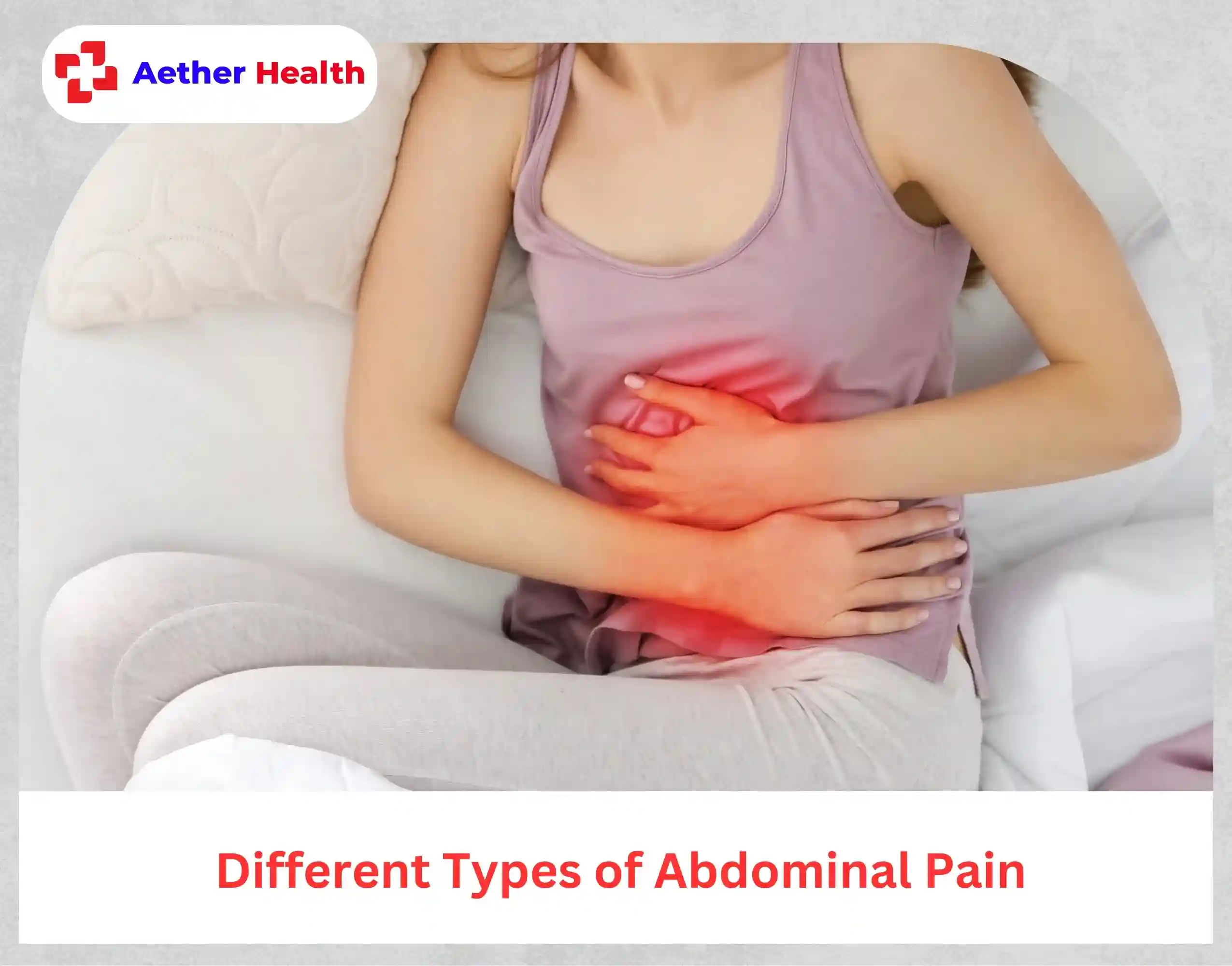
The location of pain can sometimes help identify its cause.
- Upper abdomen: Often linked to indigestion or stomach issues.
- Lower abdomen: May relate to intestines or urinary system.
- Right side pain: Could indicate appendix or gallbladder problems.
- Left side pain: May be related to gas or bowel issues.
Recognizing patterns in pain can help guide treatment decisions.
Common Causes of Abdominal Pain
Abdominal pain can result from a wide range of conditions, many of which are not serious.
Common causes include:
- Indigestion or gas buildup.
- Constipation.
- Food intolerance or overeating.
- Stomach infections or food poisoning.
- Muscle strain in the abdominal wall.
In some cases, abdominal pain may be linked to more serious conditions such as:
- Appendicitis.
- Gallstones.
- Kidney stones.
- Ulcers.
Because causes vary widely, it’s important to pay attention to accompanying symptoms and how long the pain lasts. Also, if it takes longer than usual, it’s better to opt for the appropriate abdominal pain emergency care for timely evaluation and treatment.
How to Reduce Abdominal Pain at Home

For mild to moderate abdominal pain, several home remedies can provide effective relief.
1. Apply Heat to the Abdomen
Using a heating pad or warm compress on the abdomen can help relax muscles and reduce cramping.
Heat works by:
- Improving blood flow to the area.
- Relaxing tight abdominal muscles.
- Reducing the sensation of pain.
This method is especially helpful for pain caused by gas, muscle strain, or menstrual cramps. Apply heat for 15–20 minutes at a time for best results.
2. Stay Hydrated
Dehydration can worsen abdominal discomfort, especially if the pain is related to constipation or digestive issues.
Drinking water helps:
- Support digestion
- Soften stool and relieve constipation
- Reduce bloating
Warm fluids like herbal teas or clear broths may be particularly soothing for the stomach.
3. Eat Light and Easy-to-Digest Foods
When experiencing abdominal pain, heavy or greasy foods can make symptoms worse.
Instead, choose bland foods such as:
- Rice
- Bananas
- Toast
- Yogurt
These foods are gentle on the digestive system and allow the stomach to recover. Eating smaller portions more frequently can also reduce strain on digestion.
4. Rest and Avoid Physical Strain
Resting allows your body to focus on healing, especially if the pain is caused by infection or inflammation.
Avoid activities that:
- Put pressure on the abdomen.
- Involve heavy lifting.
- Increase discomfort.
Lying down in a comfortable position, such as on your side with knees slightly bent, can help relieve pressure.
5. Relieve Gas and Bloating
Gas buildup is a common cause of abdominal pain.
To relieve gas:
- Move around gently or take a short walk.
- Avoid carbonated drinks.
- Try over-the-counter gas relief medications if needed(only on practitioner’s advice).
Passing gas or having a bowel movement often brings immediate relief.
- Medications for Abdominal Pain
- Over-the-Counter Options
These medications can provide temporary relief but should not be used without the doctor’s advice.
When Medications Should Be Avoided

Some painkillers, especially strong anti-inflammatory drugs, can irritate the stomach lining and worsen certain conditions like ulcers.
It’s important to:
- Avoid self-medicating for severe pain.
- Consult a doctor if unsure.
- When to Seek Medical Treatment.
Abdominal pain sometimes requires medical evaluation, especially if it may be linked to a serious condition.
Seek medical attention or visit the nearest emergency room if:
- Pain is severe or worsening.
- Pain lasts more than a few days.
- There is fever, vomiting, or blood in stool.
- The abdomen is swollen or very tender.
- You cannot pass stool or gas.
These symptoms may indicate a condition that needs urgent treatment.
Final Thoughts
So, how to reduce abdominal pain effectively?
The answer depends on the cause, but most mild cases improve with rest, hydration, proper diet, and simple home remedies. Medications can help when used appropriately, but persistent or severe pain should never be ignored.
Listen to your body, manage symptoms early, and seek medical care when pain does not improve or becomes severe.
FAQs
What is the fastest way to relieve abdominal pain?
Applying heat, staying hydrated, and resting can provide quick relief in many cases.
Can abdominal pain go away on its own?
Yes, mild cases often resolve without treatment within a short time.
What should I eat when I have abdominal pain?
Bland foods like rice, bananas, and toast are easier to digest and help reduce discomfort.
When should I worry about abdominal pain?
If the pain is severe, persistent, or accompanied by other symptoms, seek medical attention.
Can stress cause abdominal pain?
Yes, stress can affect digestion and lead to discomfort or cramping.