
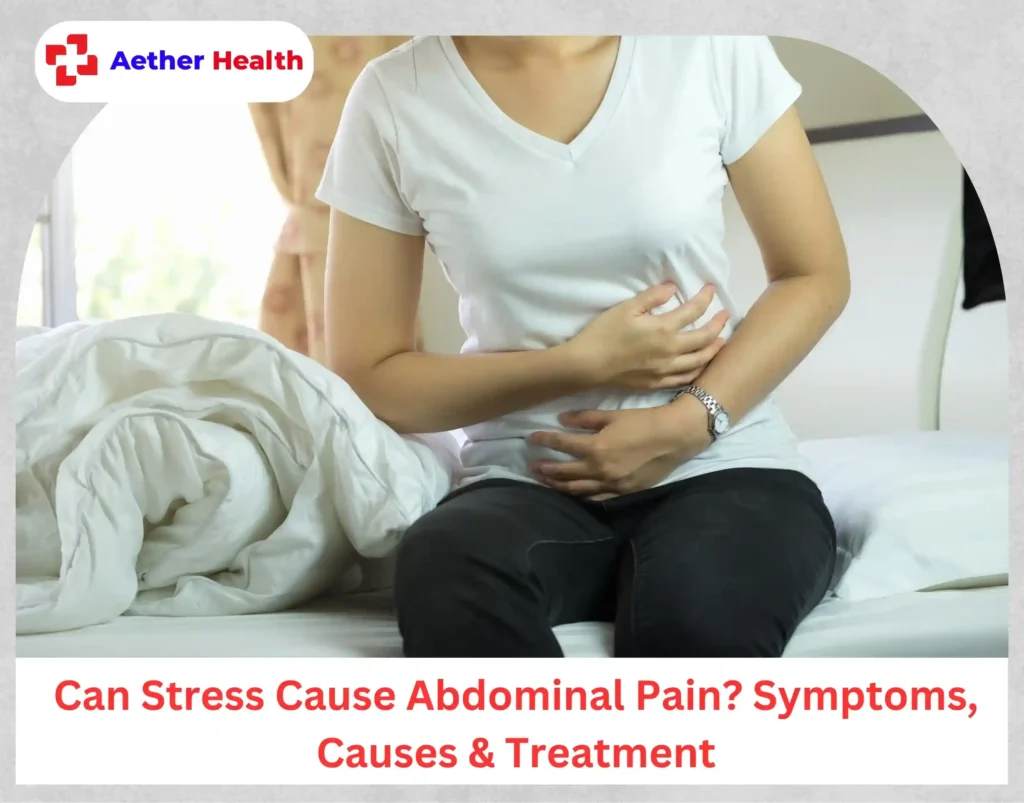
Tight deadline, family pressure, a difficult conversation looming and suddenly your stomach is in knots, cramping, or churning uncomfortably. If you’ve ever wondered whether your stress is to blame, you’re asking the right question. The connection between the brain and the digestive system is so powerful that doctors sometimes call the gut “the second brain.” Yes, stress absolutely can cause real, physical abdominal pain not imagined discomfort and millions of people experience it every day.
In this guide, the board-certified emergency team at Aether Health ER explains exactly how stress causes abdominal pain, the conditions it can trigger or worsen, practical ways to find relief, and the critical warning signs that mean your symptoms need emergency care. With three 24/7 freestanding ER locations across Greater Houston and no surprise billing, no balance billing, we’re here whenever abdominal pain becomes more than something stress alone can explain.
The Direct Answer: Yes, Stress Can Cause Abdominal Pain
Stress whether acute (a sudden scare or anxious moment) or chronic (ongoing pressure from work, relationships, or finances) can directly cause stomach pain, cramping, bloating, nausea, and changes in bowel habits. This isn’t “all in your head.” Stress triggers measurable physical changes in your digestive system: it speeds up or slows down digestion, increases stomach acid, tightens muscles in the gut, and disrupts the gut microbiome.
That said, while stress causes very real abdominal pain, it’s also crucial not to assume stress is always the cause. Many serious conditions, appendicitis, gallbladder attacks, ulcers, ovarian issues, and others can mimic stress-related pain. Knowing how to tell the difference can save your life.
The Gut-Brain Connection: How Stress Affects Your Digestive System
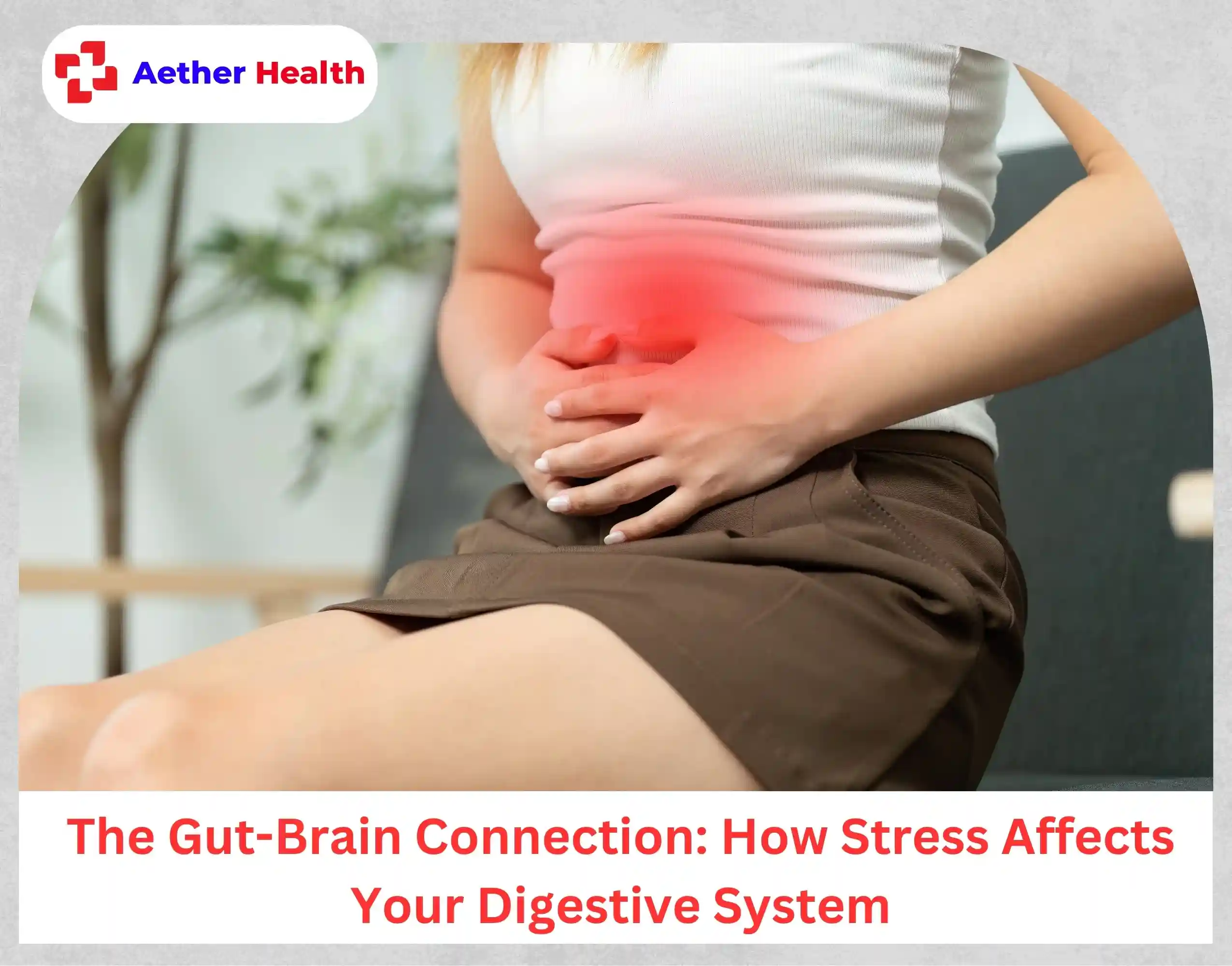
Your gut and brain are connected through a network of more than 500 million nerve cells called the enteric nervous system, often referred to as your “second brain.” Communication runs both ways through the vagus nerve, hormones, and immune signaling. When you’re stressed, this entire system shifts into overdrive.
Activation of the “Fight or Flight” Response
Acute stress activates your sympathetic nervous system, releasing adrenaline and cortisol. Blood is redirected away from your digestive tract toward your muscles and brain, slowing digestion and causing cramping, nausea, or a sinking feeling in the stomach.
Changes in Gut Motility
Stress can either speed up the digestive tract causing diarrhea or slow it down, leading to constipation, bloating, and discomfort. Many people swing between both during stressful periods.
Increased Stomach Acid Production
Chronic stress causes your stomach to produce more acid, which can irritate the stomach lining and worsen acid reflux, gastritis, and ulcers.
Disruption of Gut Bacteria
Stress alters the balance of good and bad bacteria in your gut, contributing to bloating, gas, and inflammation. A disrupted microbiome can in turn worsen anxiety creating a feedback loop that’s hard to break.
Heightened Pain Sensitivity
Chronic stress and anxiety actually lower your pain threshold. Normal digestive sensations gas, mild contractions, slight stretching of the bowel can feel painful when stress has made your nervous system hypersensitive.
Inflammation
Long-term stress raises inflammatory markers throughout the body, including the digestive tract. This contributes to flare-ups of conditions like IBS and inflammatory bowel disease.
Symptoms of Stress-Related Abdominal Pain
Stress-related abdominal pain has a distinct pattern. Symptoms often include:
- Cramping, twisting, or knotting sensation in the stomach
- Pain that comes and goes with stress levels
- Bloating, gas, or a feeling of fullness
- Diarrhea, constipation, or alternating between both
- Nausea, especially during stressful moments
- “Butterflies” or sinking feeling in the gut
- Loss of appetite or stress-related overeating
- Heartburn or acid reflux that worsens during anxious periods
- Urgency to use the bathroom during stressful events
- Pain that improves with relaxation, sleep, or distraction
Stress-Related Conditions That Cause Abdominal Pain
Beyond temporary stress reactions, chronic stress can trigger or worsen several recognized medical conditions:
Irritable Bowel Syndrome (IBS)
One of the most common digestive disorders affecting roughly 10–15% of adults. Symptoms include abdominal pain, bloating, and changes in bowel habits all strongly tied to stress and anxiety levels. IBS flares often happen during major life events.
Functional Dyspepsia
Persistent upper abdominal discomfort fullness after eating, bloating, nausea with no clear structural cause. Stress is a major trigger and worsening factor.
Gastroesophageal Reflux Disease (GERD)
Stress increases stomach acid and weakens the lower esophageal sphincter, making heartburn, regurgitation, and chest discomfort more frequent.
Peptic Ulcers
While most ulcers are caused by H. pylori infection or NSAID use, chronic stress significantly worsens symptoms and slows healing of existing ulcers.
Inflammatory Bowel Disease (IBD)
Crohn’s disease and ulcerative colitis aren’t caused by stress, but stress is a well-documented trigger for flare-ups and worsened symptoms.
Anxiety-Related Stomach Pain
Panic attacks and generalized anxiety disorder commonly produce stomach cramping, nausea, and diarrhea during episodes even without an underlying digestive disease.
Stress-Induced Gastritis
Severe physical or emotional stress can inflame the stomach lining, causing burning pain, nausea, and sometimes bleeding. Common after surgery, major illness, or extreme emotional events.
Stress Pain vs. Other Causes: How to Tell the Difference
Knowing whether your abdominal pain is from stress or something more serious can prevent you from either overreacting or missing a real emergency. Here are key distinctions:
Signs Suggesting Stress-Related Pain
- Pain comes and goes throughout the day
- Symptoms worsen during stressful events and ease with relaxation
- Pain is generalized or hard to pinpoint
- Bowel habits improve on weekends or vacation
- You feel anxious, tense, or emotionally overwhelmed
- Pain doesn’t wake you from sleep
- No fever, no blood in stool, no significant weight loss
Signs Suggesting a More Serious Cause
- Pain is severe, constant, and progressively worsening
- Pain is sharply localized (especially lower right possible appendicitis)
- Fever above 100.4°F (38°C)
- Vomiting that won’t stop or contains blood
- Blood in stool or black, tarry stools
- Unexplained weight loss
- Pain that wakes you from sleep
- Yellowing of the skin or eyes
- Severe pain with abdominal swelling or rigidity
- Pain that radiates to the chest, back, or shoulder
If you have any of the signs in the second list, don’t assume it’s stress. Seek emergency evaluation.
Natural Ways to Relieve Stress-Related Abdominal Pain
For pain that you’re confident is stress-related, these evidence-backed strategies can deliver real relief.
Diaphragmatic Breathing
Slow, deep belly breathing activates the parasympathetic nervous system the body’s “rest and digest” mode. Practice 4-7-8 breathing: inhale for 4 seconds, hold for 7, exhale for 8. Do this for 5–10 minutes, especially when you feel cramping start.
Mindfulness Meditation
Just 10 minutes of daily mindfulness has been shown in clinical studies to reduce IBS symptoms and stress-related pain. Apps like Calm, Headspace, and Insight Timer make it easy to start.
Regular Exercise
Moderate exercise walking, swimming, yoga, cycling lowers cortisol, improves gut motility, and boosts mood-stabilizing neurotransmitters. Aim for at least 30 minutes most days.
Stay Hydrated
Dehydration worsens both stress and digestive symptoms. Aim for 8–10 cups of water daily more in Texas heat.
Eat Slowly and Mindfully
Wolfing down meals while stressed leads to swallowed air, bloating, and indigestion. Sit down, chew thoroughly, and avoid eating while working or in front of screens.
Limit Trigger Foods
Caffeine, alcohol, spicy foods, fatty foods, and artificial sweeteners can worsen stress-related digestive symptoms. Identify your personal triggers and reduce or eliminate them during stressful periods.
Try Herbal Remedies
- Ginger or peppermint tea: Calms the stomach and reduces nausea.
- Chamomile: Has natural antispasmodic and calming properties.
- Fennel seeds: Used for centuries to reduce bloating and gas.
- Licorice root (DGL): Eases gastric discomfort used in many over-the-counter digestive products.
Improve Your Sleep
Poor sleep raises cortisol and worsens both stress and digestive symptoms. Aim for 7–9 hours nightly on a consistent schedule.
Stay Connected and Seek Support
Loneliness amplifies stress. Talk to family, friends, or a counselor. Cognitive behavioral therapy (CBT) has strong evidence for reducing stress-related digestive symptoms.
Medical Treatments That Can Help

When natural approaches aren’t enough, medical treatments can provide additional relief:
- Acid reducers (H2 blockers, PPIs): Reduce stomach acid for stress-related GERD and gastritis.
- Antispasmodics: Buscopan, hyoscyamine, and dicyclomine can ease cramping from IBS or functional dyspepsia.
- Antidepressants and anti-anxiety medications: Low-dose antidepressants (especially SSRIs and tricyclics) and short-term anti-anxiety medications can break the stress-pain cycle.
- Probiotics: Help restore healthy gut bacteria, especially after antibiotics or during high stress.
- Psychotherapy: CBT, gut-directed hypnotherapy, and biofeedback have strong evidence for IBS and functional GI disorders.
- Dietitian-guided treatment: Especially for IBS with constipation, fiber and motility-targeted treatments help.
- Prescription gut-specific drugs: Targeted medications like rifaximin (for IBS-D) or linaclotide (for IBS-C) are options.
When Abdominal Pain Becomes a Medical Emergency
Most stress-related abdominal pain resolves with self-care. But certain warning signs mean you need emergency evaluation immediately don’t write them off as stress:
- Severe, sudden abdominal pain
- Pain concentrated in the lower right abdomen (possible appendicitis)
- Pain in the upper right abdomen, especially after eating fatty meals (possible gallbladder attack)
- Severe pain radiating to the back (possible pancreatitis or aortic aneurysm)
- Abdominal pain with chest pain or shortness of breath (possible heart attack especially in women)
- Vomiting blood or material that looks like coffee grounds
- Blood in stool or black, tarry stools
- High fever combined with abdominal pain
- Abdomen that is rigid, swollen, or extremely tender to touch
- Inability to pass gas or stool with severe bloating (possible obstruction)
- Yellowing of the skin or eyes (jaundice)
- Pregnancy with severe abdominal pain or bleeding
- Pain following abdominal trauma
- Signs of dehydration: dizziness, very dark urine, racing heartbeat
These can indicate appendicitis, bowel obstruction, gallbladder attack, pancreatitis, GI bleeding, ovarian torsion, ectopic pregnancy, or other emergencies where delayed treatment leads to serious complications.
How Aether Health ER Evaluates Abdominal Pain in Texas

When you walk into any Aether Health ER with severe or concerning abdominal pain, here’s what to expect:
- Rapid evaluation: Immediate triage, vital signs, and focused abdominal exam upon arrival
- Comprehensive diagnostics: On-site CT, ultrasound, X-ray, and a CLIA & COLA certified laboratory to identify the cause
- Expert physician care: Board-certified emergency physicians on-site 24/7, trained to distinguish stress-related pain from surgical emergencies in minutes
- Fast treatment: IV fluids, pain management, anti-nausea medications, and in-house pharmacy for prescriptions
- Specialist coordination: If specialist or surgical care is needed, we coordinate referrals and transfers directly
- Shorter wait times: Most patients are seen within minutes not hours like a hospital ER
- No surprise billing, no balance billing: Transparent pricing. We accept most major PPO insurance. No surprise billing. No balance billing.
Our three Texas locations are open 24/7, 365 days a year. Call us anytime at +1 (713) 528-8703.
- Aether Health Spring Cypress ER 8929 Spring Cypress Rd, Spring, TX 77379
- Aether Health Kingwood ER 2158 Northpark Dr, Kingwood, TX 77339
- Aether Health SilverLake ER 2752 Sunrise Blvd, Pearland, TX 77584
Frequently Asked Questions
How long does stress-related stomach pain last?
Acute stress-related pain often resolves within hours of the stressful event ending. Chronic stress-related conditions like IBS can produce ongoing symptoms that fluctuate over weeks or months improving during relaxed periods and worsening during stressful ones.
What does stress stomach pain feel like?
It typically feels like cramping, knotting, twisting, or a tight, churning sensation. Some people describe “butterflies” or a sinking feeling. It’s often generalized rather than sharply located in one spot, and it usually comes and goes with stress levels.
Can anxiety cause severe abdominal pain?
Yes acute anxiety and panic attacks can produce intense cramping, nausea, and diarrhea that feels alarming. However, if pain is severe, you should still be evaluated to rule out other causes. Anxiety and a true medical emergency can coexist.
How do I calm my stomach when stressed?
Start with slow diaphragmatic breathing (4-7-8 breathing), sip warm peppermint or ginger tea, lie down in a quiet space, and apply a heating pad to your abdomen. Brief mindful walking can also help. If symptoms persist or worsen, seek medical evaluation.
Should I go to the ER or urgent care for stress-related abdominal pain?
For mild, intermittent pain that you’re confident is stress-related, your primary doctor, urgent care, or a mental health provider is appropriate. Go to a freestanding ER like Aether Health for severe pain, sharply localized pain, fever, vomiting blood, bloody stools, a rigid abdomen, pain after trauma, or any other emergency warning sign.
Severe Abdominal Pain? Don’t Assume It’s Just Stress Get Evaluated.
If your abdominal pain is severe, sharply localized, comes with fever or vomiting, or includes any emergency warning sign walk into your nearest Aether Health ER for same-visit imaging, lab work, and expert evaluation. We’re open 24/7, every day of the year, with no surprise billing and no balance billing.
Call us anytime: +1 (713) 528-8703
Check in online: https://aetherhealth.org/check-in/
Find your nearest location: https://aetherhealth.org/locations/
Medical Disclaimer
The information on this page is for general educational purposes only and is not a substitute for professional medical advice, diagnosis, or treatment. Reading this content does not establish a doctor-patient relationship. For medical emergencies, call 911 or visit your nearest Aether Health ER.