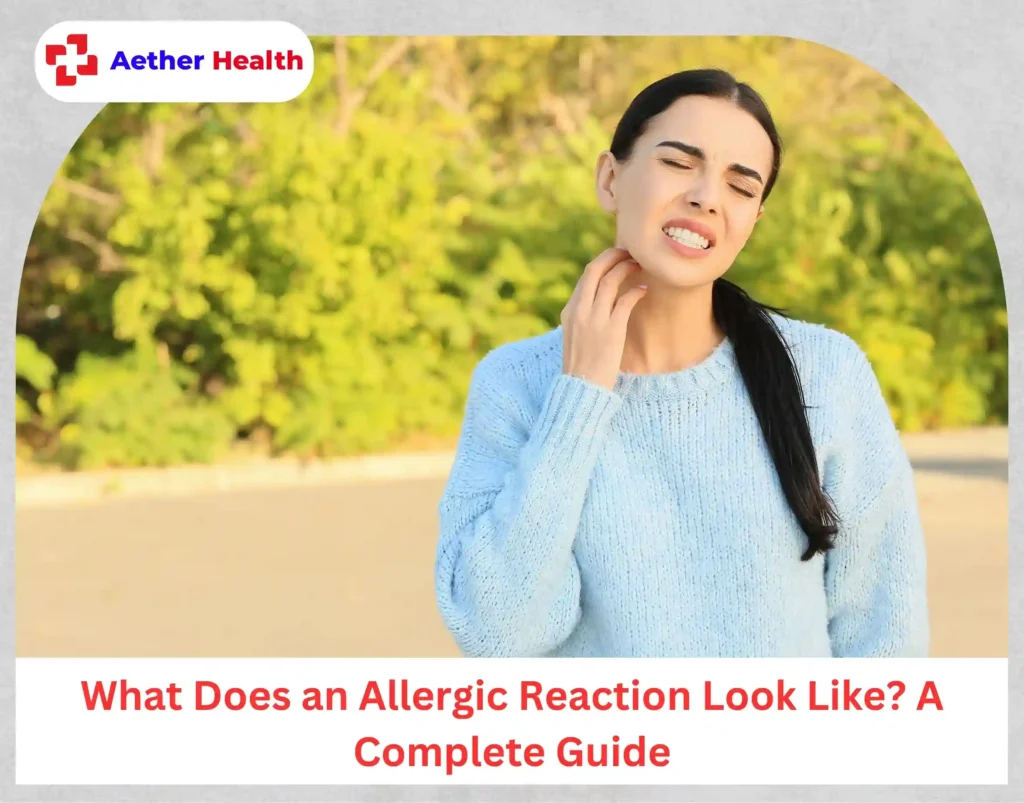
Allergic reactions can look very different from person to person. In some cases, it may be as mild as a small itchy rash, while in others, it can become a serious, life-threatening emergency within minutes. Understanding what an allergic reaction looks like is important so you can recognize it early and take the right action.
This detailed guide explains what does an allergic reaction look like, common symptoms, mild vs severe reactions, and when to seek emergency care.
What Is an Allergic Reaction?
An allergic reaction happens when your immune system overreacts to something harmless, such as food, pollen, dust, or medication.
When exposed to an allergen, the body releases chemicals like histamine, which cause symptoms affecting the skin, respiratory system, digestive system, or entire body.
These reactions can range from mild irritation to severe conditions like anaphylaxis, which requires immediate medical attention. Always opt for the allergic reaction emergency care if you are experiencing such a condition.
What Does an Allergic Reaction Look Like on the Skin?
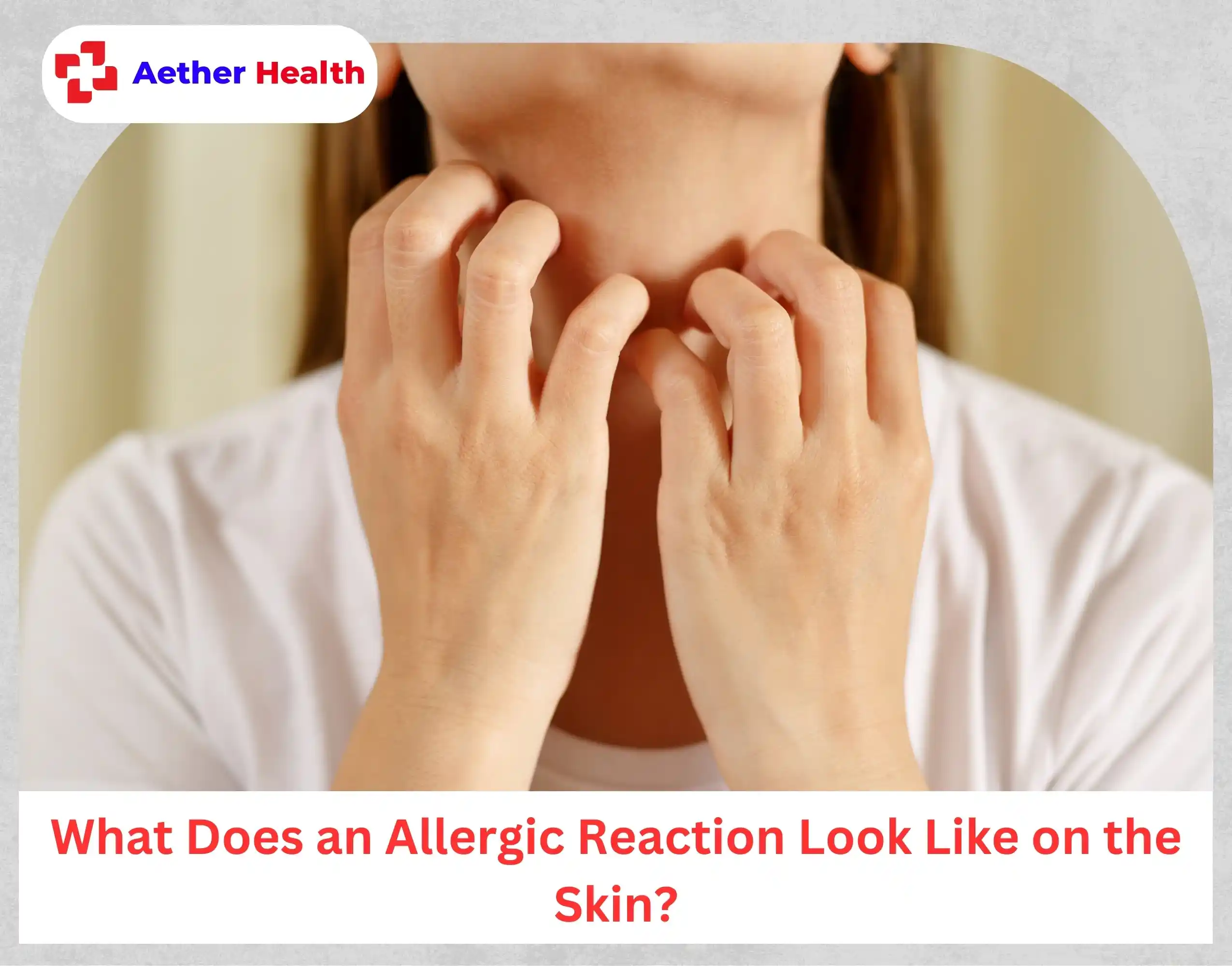
The changes in the borderline are one of the most common and visible signs accompanying any allergic reaction.
Rash and Redness
Allergic rashes often appear as red, inflamed patches that may feel warm to the touch. Depending on skin tone, the rash may look red, pink, or darker than surrounding skin.
Hives (Raised Bumps)
Hives are a classic allergic reaction sign. They look like raised, itchy bumps or welts that can appear suddenly and spread across the body.
These bumps can differ in shape, size and position within hours.
Itching and Irritation
The skin may feel intensely itchy or irritated. This itching can occur with or without a visible rash and may worsen over time.
Swelling
Swelling can occur in specific areas like the face, eyelids, lips, or hands. In some cases, swelling is mild, but in others, it can become severe and affect breathing.
Blisters or Dry Patches
Certain allergic reactions, especially contact allergies, may cause small blisters, dry patches, or peeling skin.
Allergic Reaction and Its Symptoms in the Body
Not all allergic reactions are visible. Many symptoms affect internal systems and may feel uncomfortable or alarming.
Breathing and Respiratory Symptoms
You may experience:
- Sneezing
- Runny or stuffy nose
- Coughing or wheezing
- Shortness of breath
These symptoms are common when allergens are inhaled, such as pollen or dust.
Eye and Facial Symptoms
Allergies often affect the eyes and face, causing:
- Itchy, watery eyes
- Redness
- Puffy eyelids
These symptoms can be frequently found in seasonal allergies.
Mouth and Throat Reactions
Some allergic reactions cause:
- Tingling in the mouth
- Itching in the lips or tongue
- Swelling in the throat
This is frequently observed with food allergies and can occasionally progress quite rapidly.
Digestive Symptoms
Food-related allergic reactions may cause:
- Stomach cramps
- Nausea or vomiting
- Diarrhea
These symptoms can appear within minutes to hours after eating the allergen.
Mild vs Severe Allergic Reactions
Mild Allergic Reaction
A mild allergic reaction is typically localized and manageable. It may include:
- Small rash or hives
- Sneezing or runny nose
- Mild itching
- Slight swelling
These symptoms may resolve on their own or with basic treatment like antihistamines.
Moderate Allergic Reaction
For moderate reactions symptoms are much more severe, including:
- Widespread hives
- Increased swelling
- Persistent itching
- Mild breathing discomfort
Such symptoms need to be ignored and medical advice taken if these symptoms worsen.
Severe Allergic Reaction (Anaphylaxis)
A severe allergic reaction, known as anaphylaxis, is a medical emergency. It often involves multiple symptoms at once and can progress quickly.
Signs include:
- Difficulty breathing
- Swelling of the face, lips, or throat
- Rapid heartbeat
- Dizziness or fainting
- Severe hives across the body
Anaphylaxis can cause a dangerous drop in blood pressure and airway blockage, which can be life-threatening without immediate treatment.
How Quickly Do Allergic Reactions Appear?
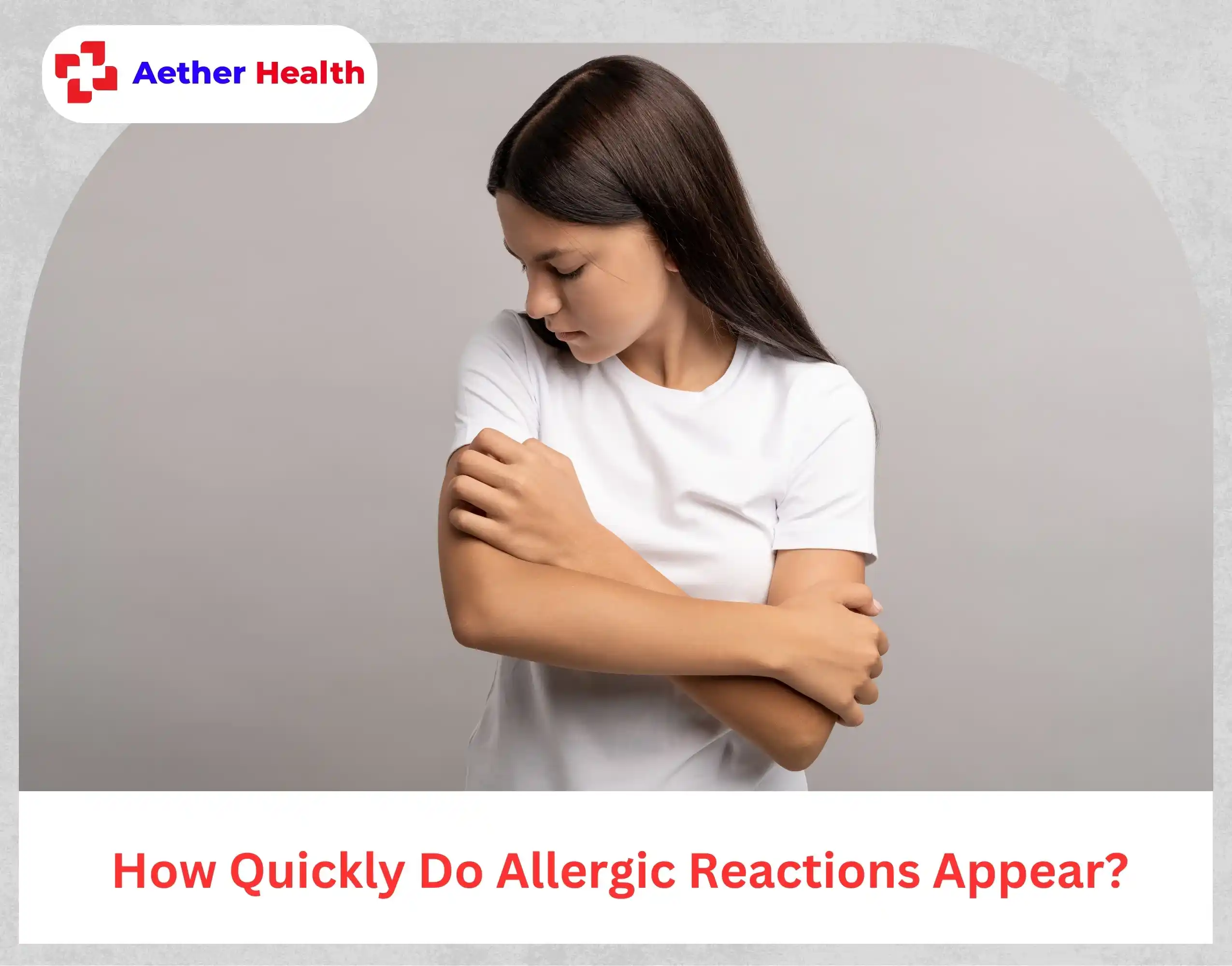
As you now have a good idea of what does an allergic reaction look like, let’s now know how it appears. Allergic reactions can occur at different speeds depending on the trigger.
Immediate reactions: Within minutes (common with food or insect stings)
Delayed reactions: Hours or even days later (common with skin contact allergies)
Some reactions may start mild and become severe over time, so symptoms should always be monitored closely.
Common Triggers That Cause These Reactions
Allergic reactions can be triggered by many substances, including:
- Foods (nuts, shellfish, dairy, eggs)
- Pollen and dust
- Animal dander
- Medications
- Insect stings
- Certain metals or chemicals
The type of trigger often influences how the reaction appears on the body.
When to Seek Emergency Care
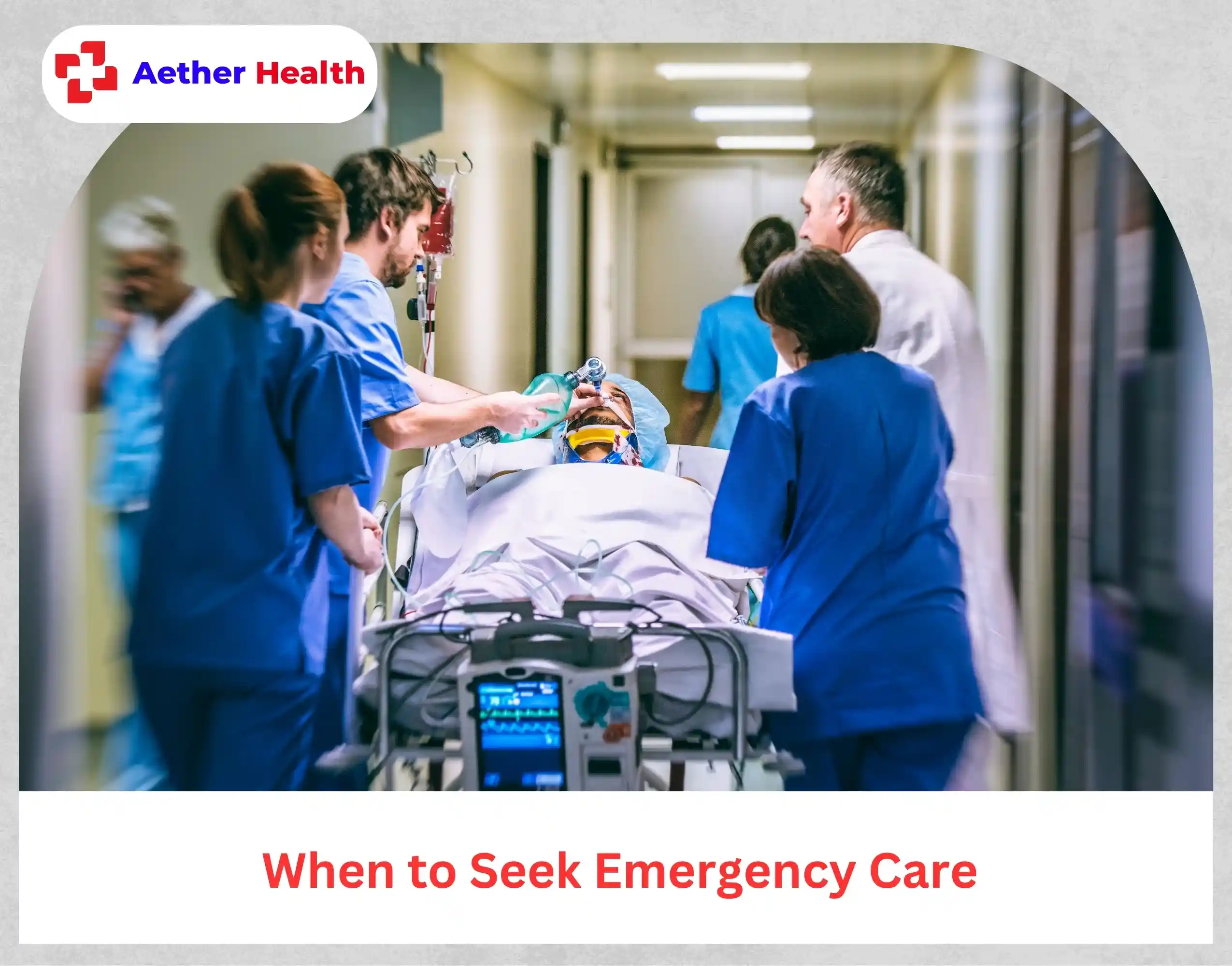
You should seek immediate medical help by visiting the nearest emergency room, if you notice:
- Trouble breathing or swallowing
- Swelling of the face, lips, or throat
- Severe or spreading hives
- Dizziness, confusion, or fainting
These are signs of a severe allergic reaction that requires urgent treatment.
Final Thoughts
So, what does an allergic reaction look like?
Well, i t can range from itchy skin, rashes, and mild swelling to serious symptoms like breathing difficulty and loss of consciousness. The appearance depends on the type of allergen and how the body reacts.
If symptoms involve breathing, swelling of the face or throat, or sudden weakness, treat it as an emergency and seek help immediately.
FAQs
1) What is the most common sign of an allergic reaction?
Skin changes like hives, itching, and redness are among the most common early signs.
2) Can an allergic reaction happen without a rash?
Yes, some reactions affect breathing, digestion, or internal systems without visible skin symptoms.
3) How fast do allergic reactions start?
They can begin within minutes or take several hours, depending on the trigger.
4) Are all allergic reactions dangerous?
No, many are mild, but severe reactions like anaphylaxis can be life-threatening.
5) What should I do if I think I’m having an allergic reaction?
Monitor symptoms closely and seek emergency care if there is difficulty breathing, swelling, or severe symptoms.