
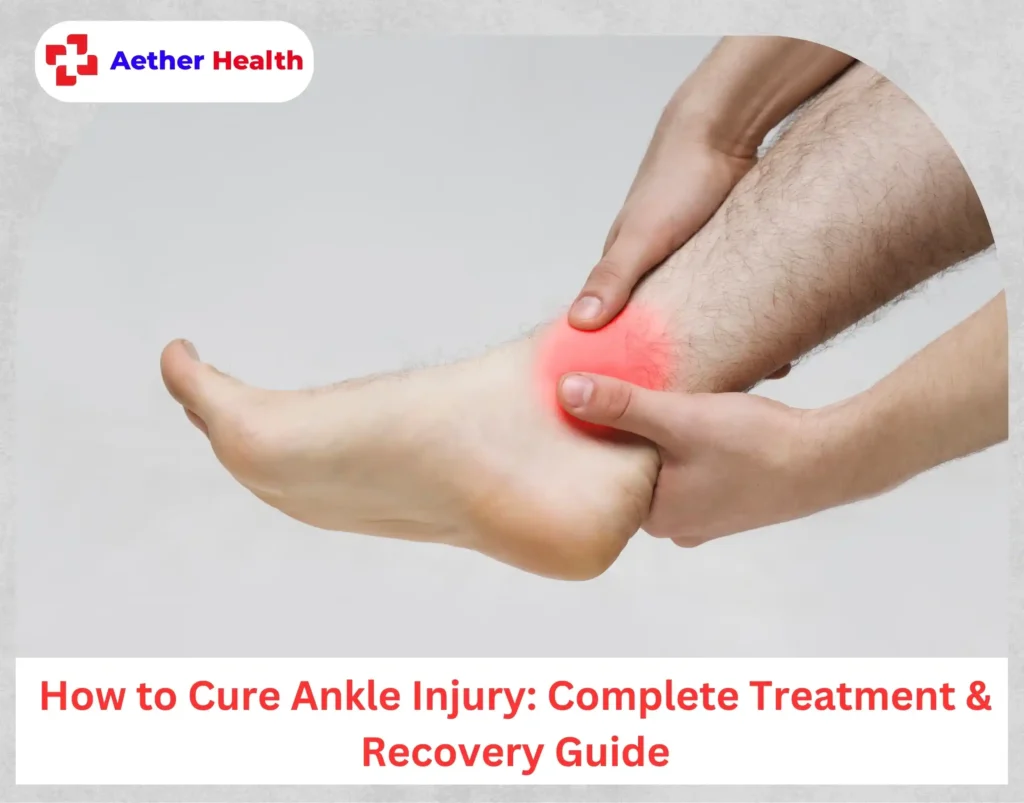
An ankle injury can make even simple movements like walking or standing painful. Whether it’s a mild sprain or a more serious injury, the key to recovery is early care, proper treatment, and gradual rehabilitation.
This comprehensive guide explains How to Cure Ankle Injury step by step, from immediate first aid to full recovery.
What Is an Ankle Injury?
An ankle injury occurs when the ligaments, tendons, or bones in the ankle joint are damaged due to sudden twisting, rolling, or impact. Ligaments are strong bands of tissue that connect bones and provide stability to the joint. When these ligaments are stretched beyond their limit or torn, it results in a sprain, which is the most common type of ankle injury.
In the worst case, tearing ligaments or tendons can occur and even fractures that impede movement and bearing weight. As the ankle carries the entire weight of the body, even mild injury may result in your significant pain or instability. If left untreated, the joint will continue to be weak and more likely to be injured.
In case you feel like you might have an ankle injury, it’s better to get yourself evaluated at the nearest ER for ankle injury diagnosis and recovery.
Signs and Symptoms of an Ankle Injury
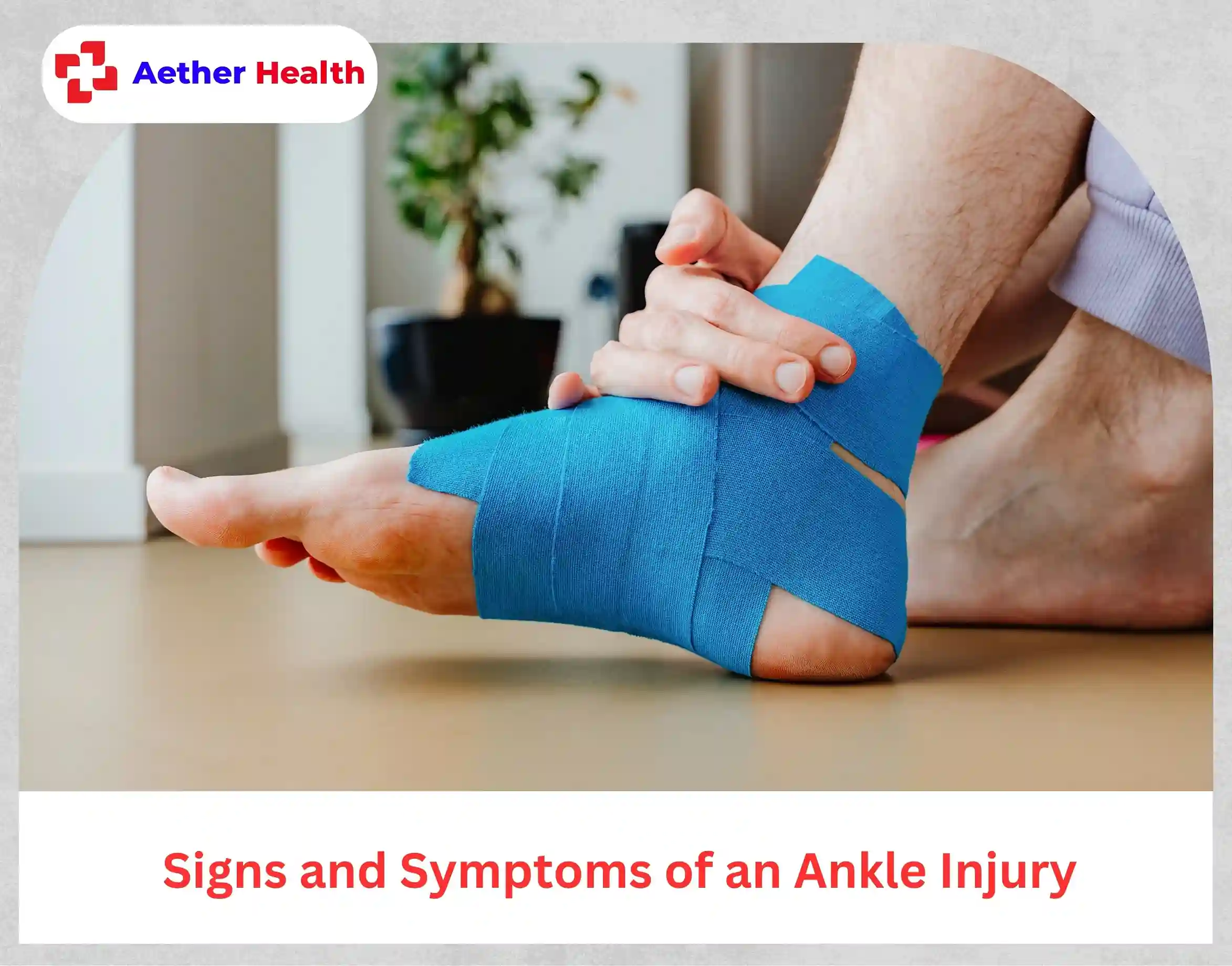
Before we get into how to cure ankle injury, let’s first know the signs and symptoms of ankle injury. Depending on the severity of an ankle injury, symptoms can differ, but they will generally emerge not long after the injury happens. Pain is often the initial symptom and typically gets worse when pressure is applied to the affected foot. Swelling usually sets in rapidly as the body delivers fluid to the damaged area as part of its healing response.
Other typical symptoms are bruising, tenderness, stiffness and range-of-motion limitations. Severe injuries can also make a popping sound upon injuring the knee, or they may cause you to be unable to stand or walk at all, which signals that immediate medical care is needed.
How to Cure Ankle Injury
Here are steps of curing an ankle injury:
Step 1: Initial Treatment (First 24–48 Hours)
The first 24 to 48 hours following an ankle injury is when swelling and inflammation are at their highest. Initial treatment aims to minimize swelling, manage pain and avoid further injury. The most familiar method is the RICE approach, Rest, Ice, Compression and Elevation.
Rest
Avoid putting weight on the injured ankle. Continuing to walk or exercise can worsen the injury and delay healing. Give your body time to begin the recovery process.
Ice
Apply a cold pack wrapped in a cloth for 15–20 minutes at a time, several times a day. Ice helps reduce swelling and numbs pain. Avoid placing ice directly on the skin to prevent irritation.
Compression
Wrap the ankle with an elastic bandage to reduce swelling and provide support. Make sure the wrap is snug but not too tight, as this can affect blood circulation.
Elevation
Keep your ankle raised above heart level as often as possible. This helps reduce swelling by improving blood flow away from the injured area.
Step 2: Pain Relief and Support
Managing your pain is a key component of the healing process, because when you are not in discomfort, your body can heal and mend. Over-the-counter anti-inflammatory medications can help ease pain and swelling, which should allow gentle movement of the ankle when appropriate.
Though certain supportive devices like ankle braces or wraps reduce motion and stabilize the joint in addition to medication. Footwear with good support also aids in reducing strain on the injured ankle. These strategies both enhance comfort and help preserve the injured structure from further injury during recovery’s early stages.
Step 3: Gradual Movement and Early Recovery
After the initial swelling begins to decrease, it’s important to start gentle movement. Keeping the ankle completely still for too long can lead to stiffness and delayed recovery.
- Begin with light movements that don’t cause pain.
- Avoid twisting or putting on full weight too soon.
- Slowly increase activity as comfort improves.
Early movement helps restore flexibility and prevents long-term stiffness.
Step 4: Physical Therapy and Strengthening
Ankle rehabilitation is an important part of completely healing the ankle, especially if the injury is moderate to severe. Physical therapy aims to restore strength, flexibility, and stability in the ankle joint. The ankle can be weak and susceptible to re-injury without this strengthening. Yes, this might not be effective in case of a fractured foot.
Therapy usually involves exercises to build up range of motion, strengthen surrounding muscles and improve balance. Balance training is critical as it assists to retrain the body and stabilize the joint in movement. Regular rehab hastens recovery and promotes joint health for the long term.
Step 5: Further Medical Treatment (If Necessary)
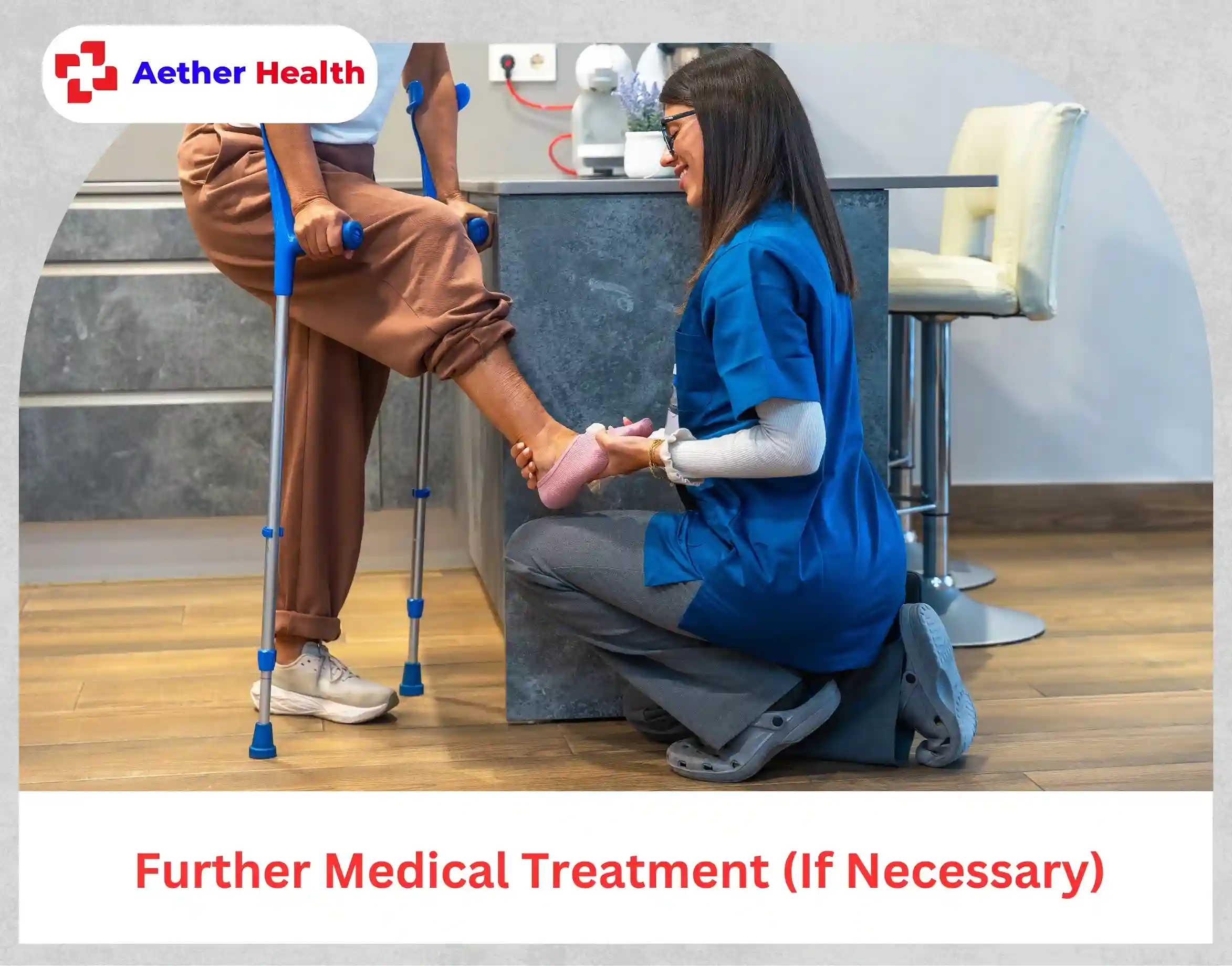
If the injury is no better with simple care, you should see a doctor to estimate the damage. Doctors might order imaging tests like X-rays or MRIs to look for fractures or serious ligament injuries.
Immobilization with a cast or walking boot is the mainstay of treatment to allow the tissues to heal appropriately. Other times, injections or specialized therapy programs may be required. In more severe cases of full tears or fractures, surgery may be needed to repair the damage and restore normal function.
Step 6: Recovery Timeline
How to cure ankle injury quickly depends on the extent of the damage and compliance with a recommended treatment plan. Mild sprains often take one to two weeks to heal, while moderate injuries may take several weeks for a full recovery. Returning from serious injuries, particularly those needing surgery, can take months.
Healing takes time, and returning to activity too soon can cause reinjury.
When Should You See a Doctor?

While many ankle injuries can be treated at home, some symptoms necessitate professional medical care. If you cannot put weight on your ankle, have severe pain, or notice considerable swelling that does not improve, see a doctor or visit the nearest 24/7 emergency room for complete evaluation.
Other red flags are obvious deformity, numbness or lack of stability that doesn’t go away. These signs could be that the injury is more severe like a break or total tear of ligament and needs to be properly diagnosed and treated to prevent long time damage.
Tips to Heal Faster
To speed up recovery:
- Follow the RICE method consistently.
- Stay hydrated and eat a balanced diet.
- Wear supportive shoes.
- Follow your physical therapy plan.
- Avoid high-impact activities until fully healed.
Consistency is key for a full and safe recovery.
Final Thoughts
So, how to cure ankle injury? Well, injuries to the ankle are quite common, but they can be successfully treated and healed completely if addressed properly. The trick is to act fast, take the right steps when in treatment and commit to rehabilitation.
The key takeaway is that recovery does not stop when the pain stops. Protecting and strengthening the ankle helps prevent future injuries and ensures mobility in later years.
FAQs
What is the fastest way to heal an ankle injury?
The fastest way is to follow the RICE method early, rest properly, and gradually begin rehabilitation exercises.
Can I walk on a sprained ankle?
You should avoid walking initially, especially if it causes pain. Gradual movement can begin as healing progresses.
How long does an ankle injury take to heal?
Mild injuries heal in 1–2 weeks, while severe injuries may take several weeks or months.
Should I wrap my ankle after an injury?
Yes, compression with an elastic bandage can help reduce swelling and provide support.
When should I go to the ER for an ankle injury?
Go to the ER if you cannot walk, have severe pain, or suspect a fracture or dislocation.